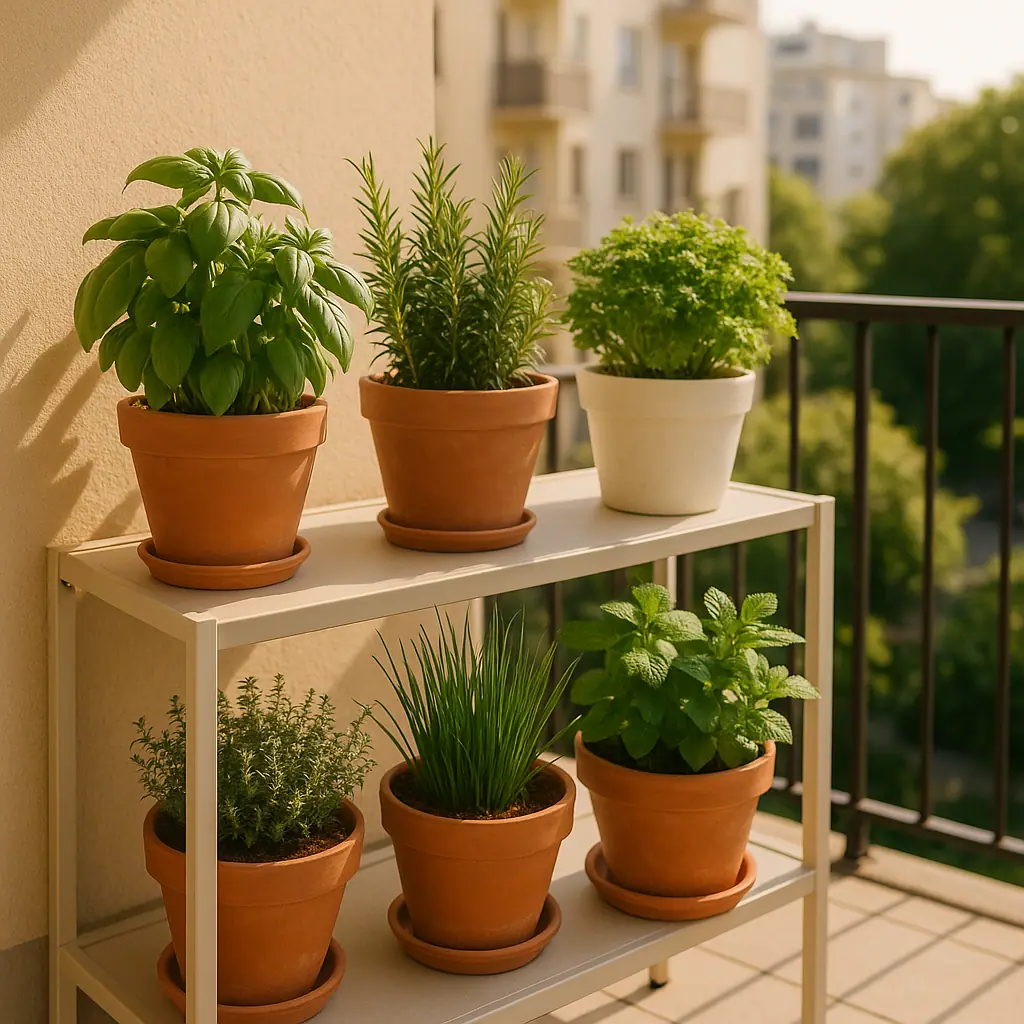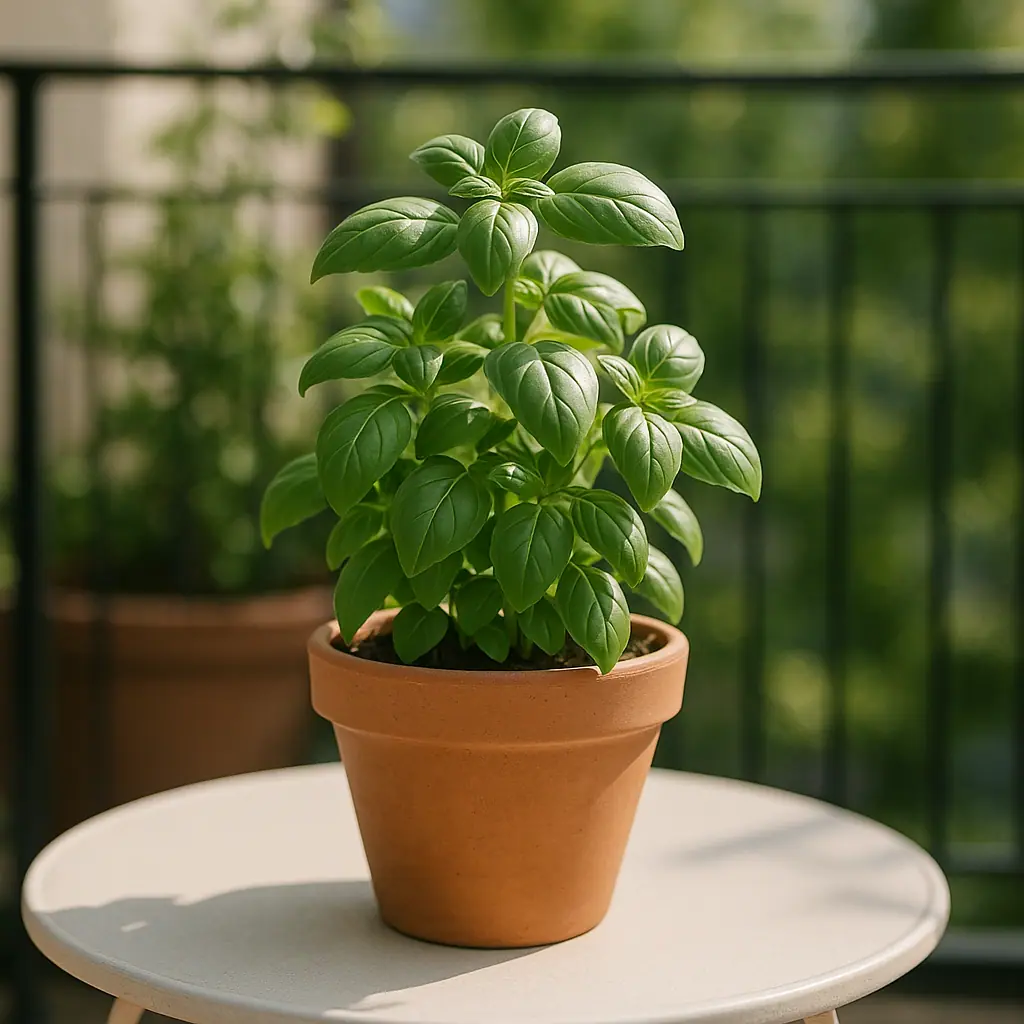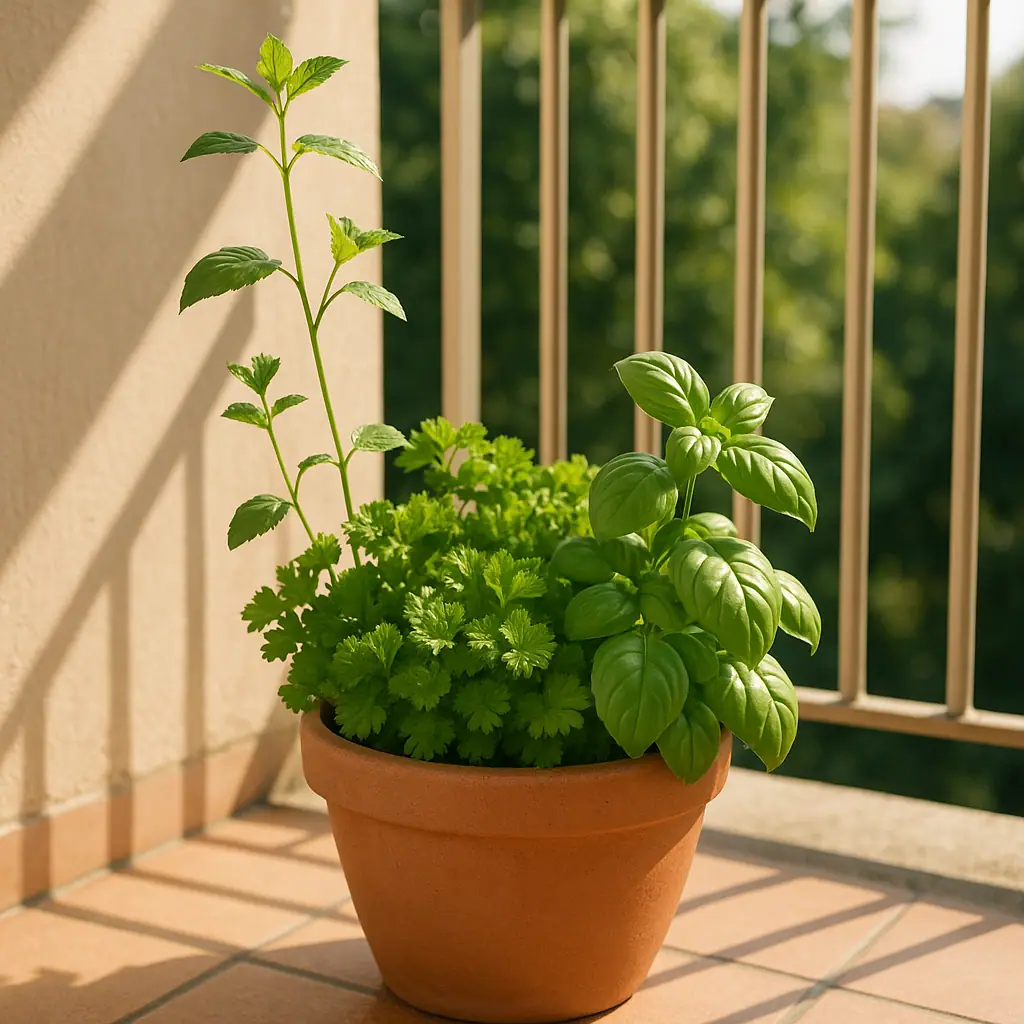
Yellow leaves on herbs can feel like a warning that your patio pot is failing, but the cause is often something practical: water staying too wet, roots drying too far, nutrients washing out, too little light, or a small pest problem. In containers, those stresses show up faster because herbs have less soil around their roots than they would in a garden bed.
The best response is not to guess or add every product at once. Start with a calm inspection. Look at which leaves are yellow, feel the potting mix, check drainage, and review recent weather. One careful check usually tells you more than a rushed fix.
Why Yellow Leaves on Herbs Need a Step-by-Step Check
Yellow leaves on herbs are a symptom, not a diagnosis. Older lower leaves may yellow when the plant needs nutrition. Many leaves can yellow when roots are staying too wet. A few spotted or distorted leaves may point toward pests or disease. The pattern matters.
University of Minnesota Extension shows basil with yellowing leaves as an example of nitrogen deficiency and notes that maintaining even moisture is challenging for container plants: fertilizing and watering container plants. That is a useful clue, but it does not mean every yellow herb needs fertilizer first.
Start With Water and Drainage
For container herbs, water is the first place to look because both extremes can make leaves yellow. Too little water stresses roots and slows growth. Too much water pushes air out of the potting mix, which can leave roots weak and unable to support healthy leaves.
If this is a recurring problem across several pots, PatioSprout's guide to container gardening soil mix for beginners explains why outdoor containers need a mix that drains well but still holds enough moisture for roots.
How to check moisture without guessing
Push your finger into the potting mix about an inch or two, or use a plain wooden chopstick as a simple probe. If it comes out dusty and dry, the plant may have gone too long without water. If it comes out muddy or sour-smelling, the pot may be staying wet too long.
Drainage signs to inspect
- Open holes: confirm the drainage holes are not blocked by roots, compacted mix, or a flat saucer.
- Water path: after watering, make sure extra water can leave the pot freely.
- Saucer water: empty standing water so roots are not soaking after the plant has drained.
- Pot weight: learn how the container feels when properly moist compared with soaked or very dry.
University of Maryland Extension warns that under- and over-watering can stress container plants and lead to stunted or malnourished growth, leaf loss, pest or disease problems, and even plant death: growing vegetables in containers and salad tables.
Check Nutrients, Pot Size, and Light Next
If moisture and drainage look reasonable, yellow leaves on herbs may come from nutrition, cramped roots, or weak light. Containers are watered often, and nutrients can move out with the drainage water. At the same time, small pots limit root space, especially for vigorous herbs.
The Maryland extension container guide also notes that small-statured herbs such as basil, cilantro, thyme, mint, oregano, tarragon, and marjoram can grow in 2- to 5-gallon pots, while larger herbs such as rosemary, bay leaf, sage, parsley, lavender, dill, and fennel need 5-gallon or larger pots. For a PatioSprout breakdown, see best pot sizes for herbs, flowers, and small vegetables.
When nutrients may be the issue
Suspect a nutrition issue when older leaves yellow first, growth slows, and the pot has been watered heavily for weeks. Use a balanced fertilizer at the label rate or lower, and avoid the beginner mistake of trying to make up for lost time with a strong dose. More is not safer.
When light may be the issue
Yellowing paired with long, weak stems usually means light should be checked. Herbs grown for leaves generally need strong light to stay compact. If your plant is also stretching, PatioSprout's guide to why patio herbs get leggy and how to fix them is the better next step.
How to Diagnose Yellow Leaves on Container Herbs Step by Step
Use this order so you do not accidentally make the plant worse. Each step narrows the cause before you reach for fertilizer, scissors, or spray.
- Look at the pattern: note whether yellow leaves are old lower leaves, new top leaves, one side of the plant, or scattered throughout.
- Feel the root zone: check moisture below the surface, not just the dry-looking top layer.
- Confirm drainage: water thoroughly and watch whether water exits the pot within a reasonable time.
- Check recent stress: think about heat, wind, a missed watering, heavy rain, moving the pot, or a recent transplant.
- Inspect the undersides of leaves: look for sticky residue, tiny insects, webbing, speckling, or distorted new growth.
- Review feeding: ask whether the herb has gone weeks in the same pot with frequent watering and no gentle feeding.
- Make one change: adjust the most likely cause, then watch new growth for a week before changing something else.
Pros and Cons of Trying to Save a Yellowing Herb Pot
Most causes are fixable
Watering rhythm, drainage, light, and light feeding can often be corrected without replacing the whole pot.
You learn your patio conditions
A yellowing herb teaches you where the space dries fast, stays wet, reflects heat, or receives less sun than expected.
New growth gives quick feedback
Leafy herbs often show improved color and sturdier growth within a short period when the main stress is corrected.
Old leaves may not turn green again
The goal is healthier new growth. Yellowed leaves can remain yellow even after the underlying problem improves.
Some short-lived herbs decline naturally
Cilantro, dill, and other seasonal herbs may bolt or age out, making a fresh planting more realistic than rescue.
Common Yellow-Leaf Mistakes to Avoid
Most beginner mistakes come from moving too fast. A container herb is small enough that a heavy-handed correction can become a second stress.
- Adding fertilizer to soggy soil: fix drainage and moisture first because weak roots cannot use fertilizer well.
- Watering on a fixed calendar: containers dry at different speeds depending on pot size, weather, plant size, and sun.
- Removing too many leaves: trim the worst leaves gradually, but leave enough healthy foliage for recovery.
- Ignoring pests: yellow speckling, sticky leaves, or curled new growth deserve a close look before you blame nutrients.
- Keeping herbs in tiny nursery pots: a cramped pot dries quickly and gives roots little room to recover from stress.
- Expecting old leaves to repair: judge recovery by new growth, not by whether every yellow leaf turns green again.
A Simple Yellow Leaves Checklist
Run through this checklist before buying a new product. It works for basil, parsley, mint, thyme, oregano, cilantro, and many other common patio herbs.
- Pattern: are lower leaves, new leaves, or random leaves turning yellow?
- Moisture: is the root zone dry, evenly moist, or soggy below the surface?
- Drainage: does water leave the container, and is the saucer emptied afterward?
- Light: does the pot receive enough direct sun for that herb?
- Container: is the pot large enough for the herb's mature size?
- Pests: are there insects, webbing, sticky residue, or distorted leaves?
- New growth: are fresh leaves coming in green after your first adjustment?
When to Check for Pests or Disease
Not every yellow leaf is a pest problem, but you should inspect when yellowing comes with speckles, curling, sticky residue, webbing, holes, or distorted new growth. Look closely at the undersides of leaves and along tender stems.
University of Minnesota Extension recommends growing plants in suitable conditions and notes that plants struggle to fight pests when they are already stressed by poor light, overly wet or dry soil, or temperature problems: managing insects on indoor plants. The article is written for indoor plants, but the stress-first logic is useful for patio herbs too.
If you find a few affected leaves, remove them and improve airflow. If you find a larger pest issue, identify the pest before spraying. Edible herbs need especially careful product choices, and any treatment should be labeled for edible plants and used exactly as directed.
Frequently Asked Questions
What should I check first when herb leaves turn yellow?
Check moisture and drainage first. Feel below the surface, make sure water can leave the pot, and empty any saucer water after the container drains.
How often should I review a yellowing herb pot?
Check it daily for the first few days after one adjustment, then return to a normal routine once new growth looks steady and the pot is drying predictably.
Should I remove yellow leaves from herbs?
Remove leaves that are fully yellow, spotted, or dying, but do not strip the plant bare. Keep enough healthy foliage so the herb can recover and keep growing.
Can yellow leaves on herbs turn green again?
Usually, old yellow leaves do not fully recover. Watch the new leaves instead. If new growth is greener and sturdier, your correction is probably helping.
Final Thoughts
Yellow leaves on herbs are frustrating, but they are also useful information. They tell you to slow down and check the basics: water, drainage, light, pot size, nutrients, and pests. In a patio container, those details matter more than any single miracle fix.
Start today with one pot. Feel the mix, check the drainage holes, inspect the leaves, and make the smallest sensible adjustment. A healthy herb container is built through observation, not panic.