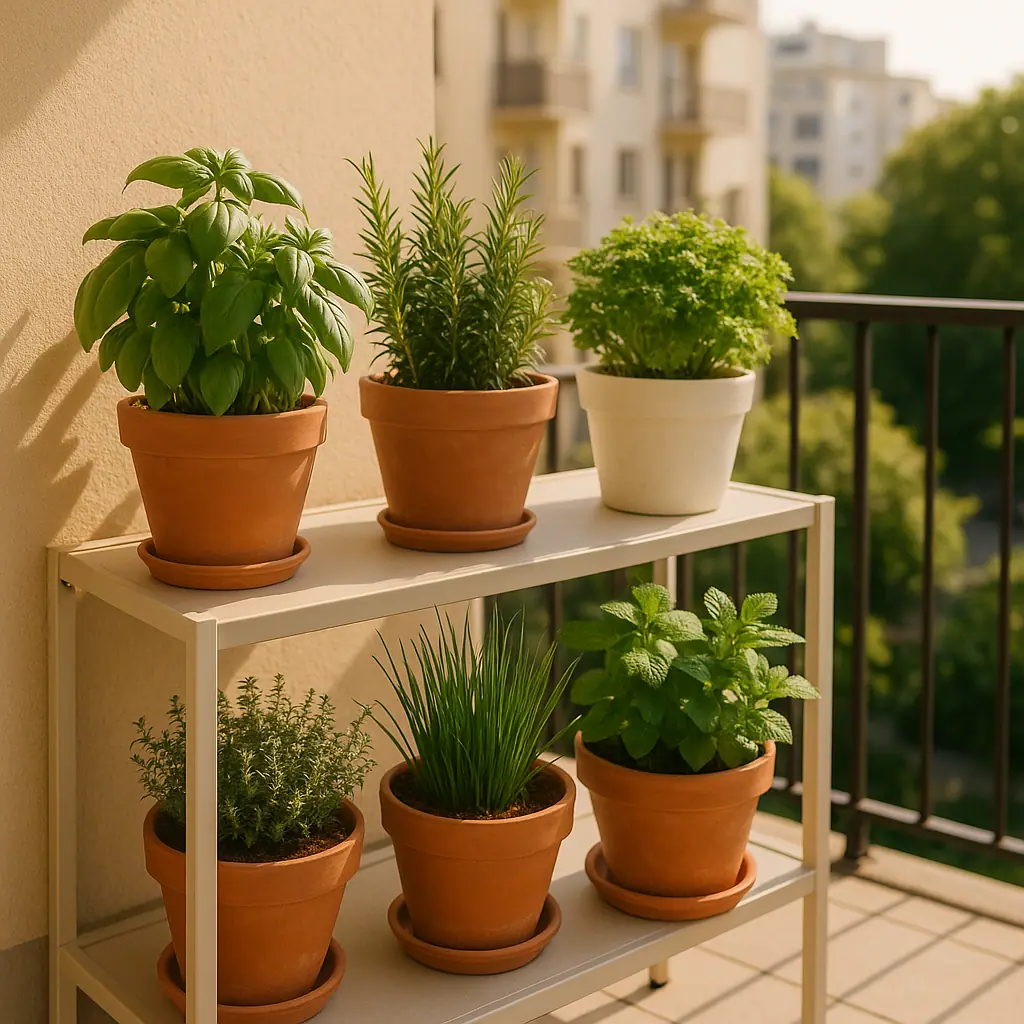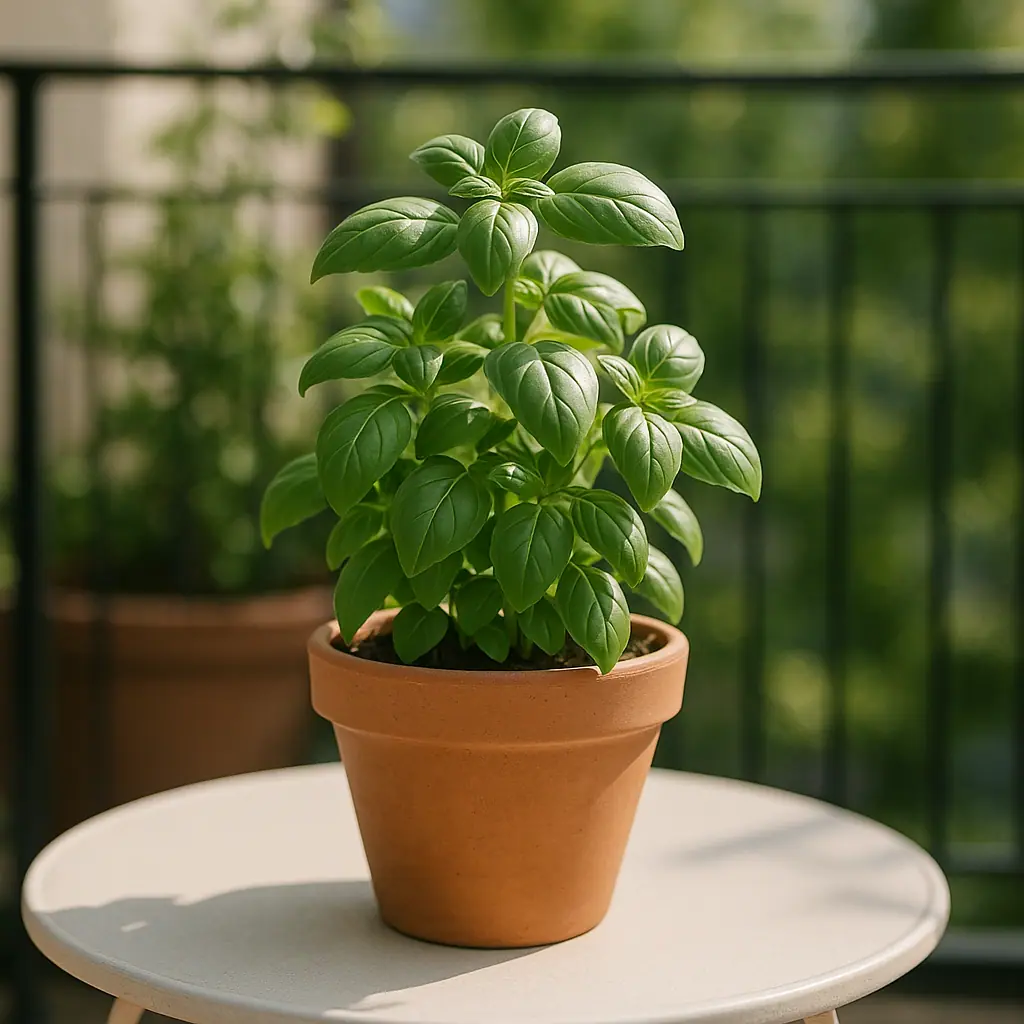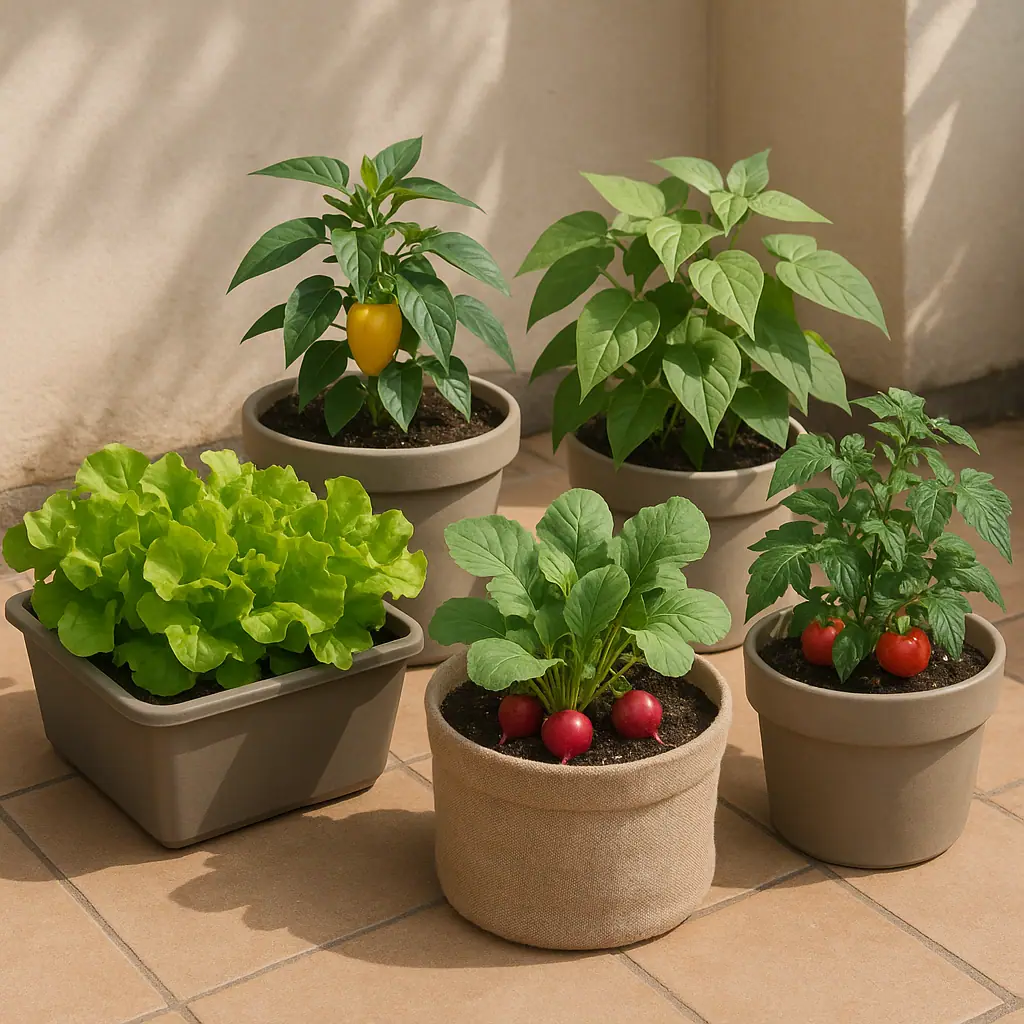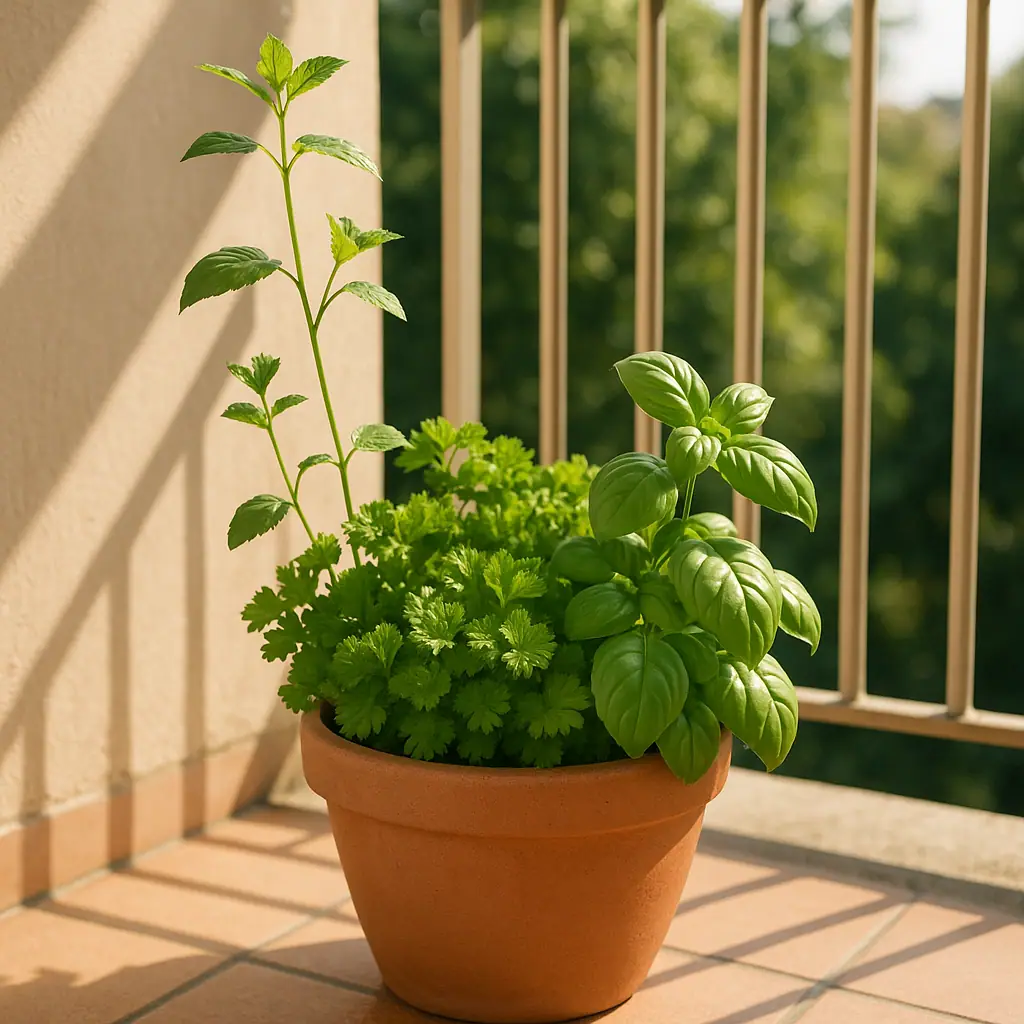
If your basil, mint, parsley, or cilantro suddenly looks tall, floppy, and thin, you are not alone. Leggy herbs are common in patio containers because light, heat, wind, watering, and pruning all change faster in pots than they do in a garden bed.
The good news is that most patio herbs do not become leggy overnight, and the fix is usually practical. Before you throw the plant away, check light first, then crowding, watering, and how you are harvesting. A few small adjustments can often turn weak growth into a sturdier, more useful herb container.
Why Patio Herbs Get Leggy in the First Place
Leggy herbs usually stretch because the plant is trying to reach better light. University of Minnesota Extension notes that most herbs need at least six hours of direct sunlight to grow well and that not enough light can cause spindly, thin growth: growing herbs in home gardens. On a patio, this can happen even when the area looks bright to you.
A balcony railing, roof overhang, privacy screen, neighboring building, or afternoon-only exposure can cut direct sun down to a narrow window. Herbs may also lean toward one bright side if the container sits against a wall or in a corner.
Check Light Before You Fix Leggy Herbs
Start with a simple light audit. Watch the pot for one ordinary day and write down when direct sun actually touches the leaves. Do not count bright shade as direct sun. Many beginner patio gardeners overestimate light because the patio feels sunny, while the container itself spends most of the day in filtered shade.
If you have not mapped your space yet, PatioSprout's guide to planning a container garden before buying plants walks through the same kind of observation before you add more containers.
Light fixes that help
- Move the pot gradually: shift the herb to the brightest safe spot you have, but avoid shocking tender leaves with sudden harsh afternoon heat.
- Rotate the container: turn the pot every few days if growth leans hard toward one side.
- Raise the plant carefully: a sturdy plant stand can lift herbs above a railing shadow, as long as wind and weight are safe.
- Choose herbs for the real light: if the patio only gets weak morning sun, parsley, mint, or chives may be more forgiving than basil.
When light is not enough
If the plant already has long bare stems, better light will support new growth, but it will not magically shorten the old stems. You still need a pruning plan. Think of light as stopping the stretching problem, while pruning encourages the plant to branch from healthier points.
How to Fix Leggy Patio Herbs Step by Step
Do not cut everything at once. A stressed container herb needs a steady recovery plan, especially in hot weather. The safest approach is to improve conditions first, then trim in stages.
- Confirm the herb type: basil, mint, oregano, thyme, parsley, and cilantro do not all respond the same way to hard cutting.
- Move it to better light: choose the brightest practical spot with good airflow and safe drainage.
- Water before major trimming: if the mix is dry, water thoroughly and let the pot drain before pruning later in the day or the next morning.
- Cut above leaf nodes: trim long stems just above a healthy pair of leaves or side shoots so the plant has a place to branch.
- Remove flowers early: for leafy herbs like basil, pinch flower buds before the plant puts too much energy into blooming.
- Harvest little and often: frequent small harvests keep many herbs bushier than occasional severe cutting.
- Wait for response: give the plant several days to push new growth before making another large cut.
If the pot is also too small, rootbound, or drying out twice a day, pruning alone may disappoint you. For sizing context, the PatioSprout article on best pot sizes for herbs, flowers, and small vegetables can help you decide whether the container is part of the problem.
Watering, Soil, and Crowding Problems That Make Herbs Stretch
Light is the main reason many herbs stretch, but container stress can make the plant weaker. A pot that swings from bone-dry to soggy creates uneven growth. A crowded mixed herb pot can also push plants upward as they compete for light and airflow.
Check the container routine
- Soil moisture: feel the mix before watering. Water when the upper mix starts to dry, then let extra water drain away.
- Drainage: make sure the pot has open holes and is not sitting in a full saucer after watering.
- Crowding: thin or divide herbs that are shading each other in a small pot.
- Fertilizer: avoid heavy feeding as a first response. Too much quick growth can make stems softer instead of sturdier.
- Heat reflection: move herbs away from walls or paving that bake the pot in late afternoon.
For mixed containers, separate the strongest bully from the weaker herbs if one plant is taking over. Mint, for example, is often easier to manage in its own pot than in a polite shared herb arrangement.
Pros and Cons of Pruning Leggy Herbs Back
Encourages bushier growth
Cutting above healthy leaf nodes can nudge many leafy herbs to branch instead of continuing as one weak stem.
Gives you a useful harvest
Small regular trims provide kitchen herbs while keeping the plant from getting too tall and floppy.
Reveals the real problem
If new growth is still thin after better light and careful pruning, you know to check pot size, crowding, or plant age next.
Hard cuts can stress weak plants
A thirsty, overheated, or recently transplanted herb may struggle if you remove too much foliage at once.
Some herbs are short-lived
Cilantro and dill may bolt or decline naturally, so replacement can be more realistic than trying to rebuild the plant.
A Simple Leggy Herb Recovery Checklist
Use this checklist before you decide the plant has failed. It keeps the fix focused and prevents the common beginner mistake of changing everything at once.
- Light: did the leaves receive several hours of real direct sun today?
- Lean: is the plant stretching toward one bright direction?
- Nodes: are there healthy leaf nodes where you can trim above them?
- Water: does the pot drain freely after a thorough watering?
- Crowding: are nearby stems or plants shading the herb?
- Timing: is the plant flowering, bolting, or near the end of its useful season?
When to Replace Instead of Rescue
Sometimes the smartest fix is a fresh start. Replace the herb if most stems are bare and woody, roots are badly crowded, the plant keeps wilting despite correct watering, or a cool-season herb has bolted in hot weather. That is not a failure; it is part of growing edible containers in a small outdoor space.
If you replace it, use what you learned. Put the next herb in a brighter spot, choose a better-sized container, and begin pinching early instead of waiting until the stems are already long and weak.
Frequently Asked Questions
What should I check first when patio herbs get leggy?
Check direct sunlight first. Watch the actual pot for a day and count only the hours when sun touches the leaves, not just the patio floor nearby.
Can leggy basil become bushy again?
Often, yes, if it still has healthy leaves and nodes. Move it to stronger light, water correctly, and pinch above healthy leaf pairs instead of stripping the plant bare.
Should I fertilize leggy herbs?
Do not make fertilizer the first fix. Improve light, drainage, and pruning first. Heavy feeding can create fast, soft growth if the light problem remains.
How often should I trim patio herbs?
Trim lightly and regularly once the plant is growing well. Small harvests every week or two are usually better than waiting for one large, stressful cut.
Final Thoughts
Leggy herbs are usually a message, not a disaster. The plant is telling you that light, spacing, pruning, or watering needs attention. Start with the brightest practical location, trim above healthy growth points, and keep the routine steady for a week before making another big change.
Small patio herb gardens improve through observation. Once you learn where your herbs stretch, dry out, or crowd each other, the next pot becomes easier to place and easier to keep compact.