Learning how to plan a container garden before buying plants saves money, space, and frustration. A patio or balcony garden can look simple from the outside, but every successful container still depends on light, drainage, pot size, wind, water access, and the amount of care you can repeat during a normal week.
The best first plan is not a long shopping list. It is a short map of your space and a few decisions that keep you from buying plants that cannot thrive there. When you know where the sun lands, how water will drain, and which containers fit your routine, the plant choices become much easier.
This guide walks through a beginner-safe way to plan a container garden before you buy plants, soil, stands, or decorative pots.
Why Planning a Container Garden First Matters
Container gardens have less buffer than in-ground beds. A small pot can dry quickly in afternoon sun, stay soggy in shade, or become unstable on a windy balcony. Hard patio surfaces can also reflect heat, while walls, rails, and nearby buildings can change the light pattern from hour to hour.
Drainage is one of the first decisions to solve. University of Illinois Extension explains that drainage holes are critical for most container plants because roots need both moisture and air. That one detail should shape which pots you consider before style or color.
Start With a Simple Patio Map
Before you buy anything, sketch the outdoor space on paper or in a notes app. It does not need to be artistic. Mark doors, railings, furniture, walkways, outlets, hose access, shade, and any area where dripping water would create a problem.
What to mark on the map
Write down the spots where containers could sit without blocking movement. A good container garden still needs room for watering, pruning, sweeping, and moving pots when weather changes. If a pot makes the patio hard to use, it will become annoying even if the plant looks beautiful.
- Walking space: leave clear paths to doors, seating, storage, and railings.
- Water access: note whether you will use a hose, watering can, or indoor sink.
- Drainage direction: check where water goes after a heavy watering or rain.
- Weight concerns: use caution with large ceramic pots, wet soil, and balcony surfaces.
- Wind exposure: mark corners where tall plants or lightweight pots may tip.
Check Light Before Choosing Plants
Plant tags use terms like full sun, part sun, and shade, but those labels are only useful after you understand your own space. A balcony can receive bright morning light and deep afternoon shade. Another patio might look shady at breakfast and become hot by midafternoon.
A two-day light check
Watch the patio at three simple times: morning, midday, and late afternoon. Do this for at least two normal days if possible. Write down which areas get direct sun and which stay bright but shaded. Also notice reflected heat from brick, concrete, glass, or pale walls.
Use those notes to create zones. A sunny corner might handle herbs, compact vegetables, or flowering annuals. A part-sun edge may be better for leafy herbs or shade-tolerant ornamentals. A dark corner may need a different purpose, such as storage or seating, instead of forcing plants to struggle.
Choose Container Size Before Plant Names
Many beginners fall in love with a plant first and then try to make any pot work. Planning goes better when you decide what size and type of container your space can support, then choose plants that fit those limits.
Small containers are easy to move but dry quickly. Larger containers hold moisture more steadily but become heavy, especially after watering. Tall narrow pots can tip in wind. Decorative pots without drainage may need an inner nursery pot or a different use.
- Set a maximum footprint: decide how wide each pot can be without blocking use of the patio.
- Choose drainage first: make drainage holes the default for living plants.
- Match depth to the plant type: shallow decorative bowls do not suit every edible or flowering plant.
- Think about movement: decide whether the pot needs to be moved for storms, cleaning, or seasonal changes.
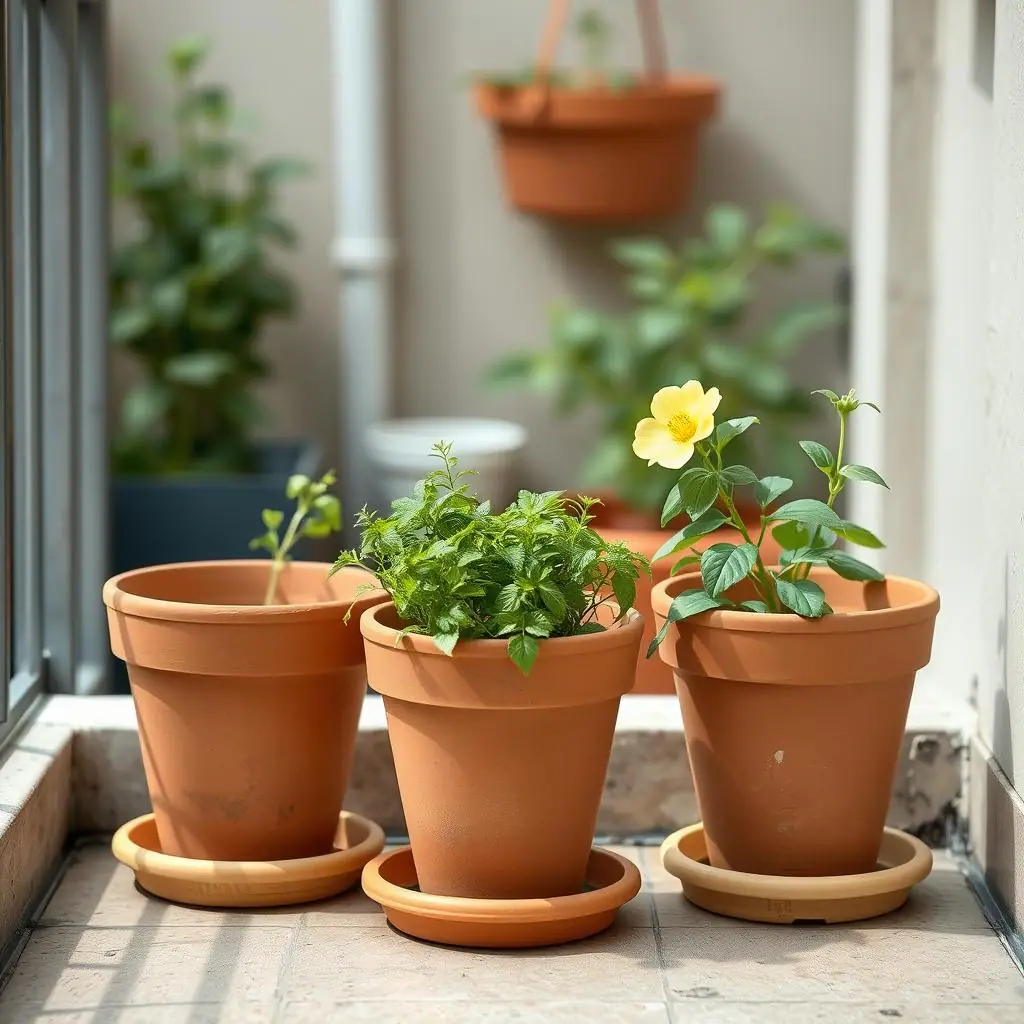
- Plan saucers carefully: protect surfaces, but do not let roots sit in standing water.
Plan Soil, Watering, and Maintenance
A container garden plan should include the care routine, not just the plants. Potting mix, watering frequency, and container material all affect how forgiving the garden will be. A sunny patio with small terra-cotta pots will usually need more attention than a shaded patio with larger plastic or resin containers.
Write a realistic care limit before shopping. If you can check plants daily in summer, you have more options. If you travel often or forget watering, choose fewer containers, larger pots, or self-watering options only after checking how they fit your plant choices.
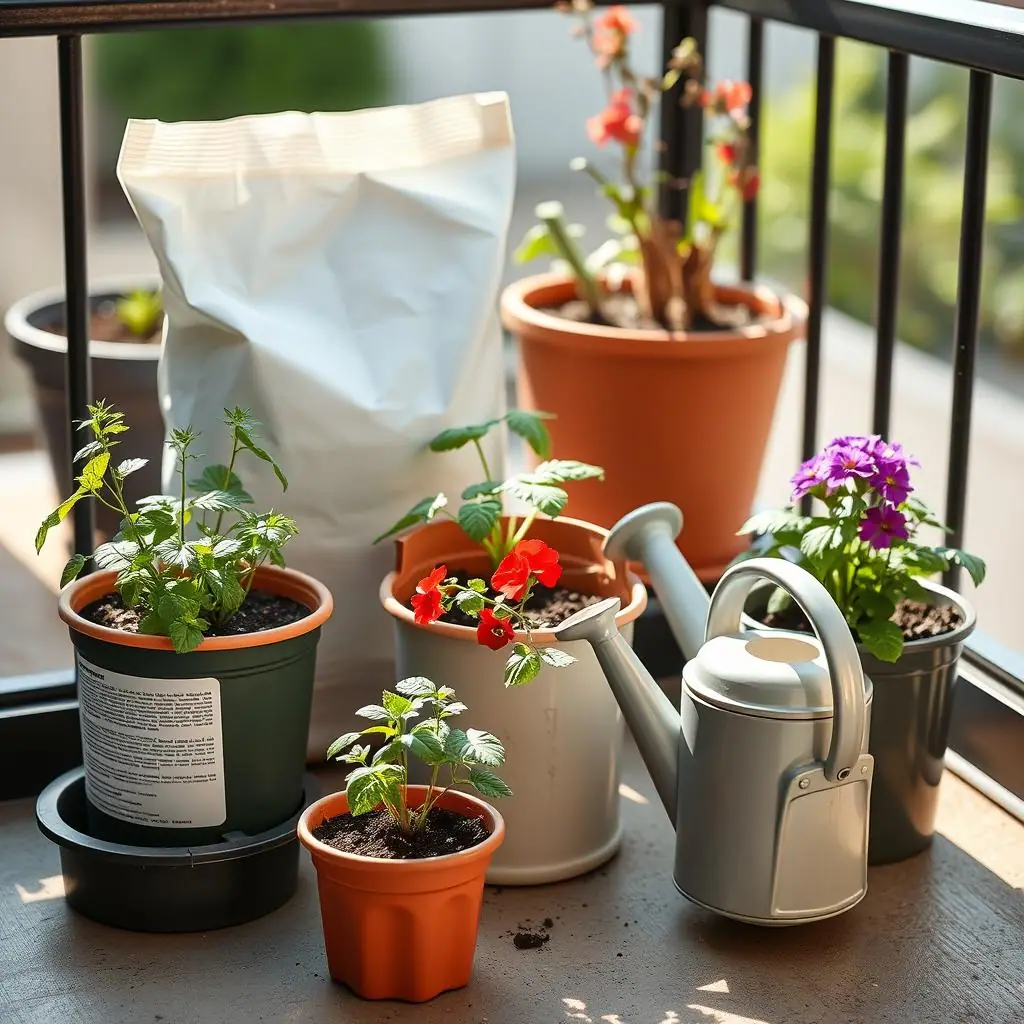
- Use container potting mix: avoid relying on dense garden soil by itself in patio pots.
- Group similar needs: keep thirsty plants together and drier plants together.
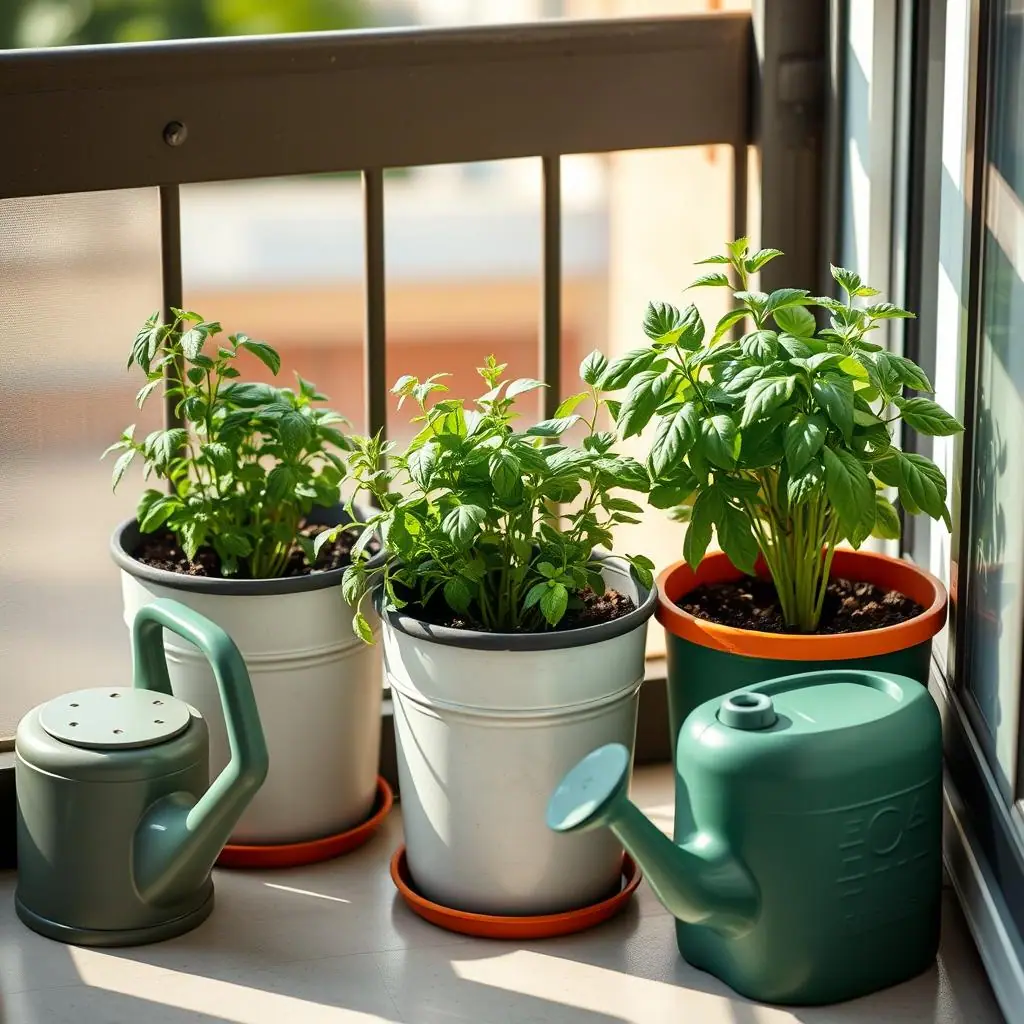
- Keep supplies nearby: store a watering can, pruners, gloves, and a small scoop where you will actually use them.
- Check runoff: water slowly enough that the mix absorbs moisture before excess drains away.
Pros and Cons of Planning Before Shopping
Fewer wrong purchases
You choose plants and pots that match real light, space, drainage, and watering limits.
Cleaner layout
A small map helps you keep walkways open and avoid a crowded patio that is hard to maintain.
Easier troubleshooting
When every container has a clear purpose, it is simpler to spot whether the issue is light, water, wind, or pot size.
Less instant excitement
Planning first can feel slower than filling a cart with plants right away.
Requires observation
You may need a couple of days to understand sunlight, wind, and runoff before the best choices become clear.
A Simple Container Garden Planning Checklist
Use this checklist before each purchase. If an item gets a no, pause and adjust the plan before buying.
- Light: do I know whether this spot is full sun, part sun, or mostly shade?
- Drainage: does the pot drain, and do I know where runoff will go?
- Size: does the container fit the plant's mature size and root needs?
- Weight: is the pot reasonable for the patio, shelf, railing area, or balcony surface?
- Care: can I water, prune, and clean this container during a normal busy week?
- Flexibility: can I move or rearrange the pot if weather, shade, or access changes?
When to Get Extra Help
Ask for extra help when the decision involves balcony weight limits, railing attachments, local building rules, pet safety, invasive plants, or edible plant safety. Those details can vary by property, region, and household.
If you are choosing plants for a specific climate or pest problem, use a local university extension office, nursery specialist, or regional gardening resource. Local guidance matters because a plant that thrives in one patio climate may struggle in another.
Frequently Asked Questions
What should I check first before buying container garden plants?
Check light, drainage, available space, and watering access first. Those four details decide which plants and pots are realistic.
How many containers should a beginner plan at first?
Two or three containers are enough for most beginners. A smaller start helps you learn the patio's light, wind, and watering rhythm.
Can I change the plan after buying plants?
Yes, many container garden choices can be adjusted. You can move pots, change groupings, repot, or replace plants that do not match the space.
What if I am not sure what grows in my area?
Check a local extension resource or trusted nursery before buying. Regional advice is especially useful for sun, heat, frost, pests, and edible plants.
Final Thoughts
Knowing how to plan a container garden before buying plants turns a patio garden from a guessing game into a practical setup. Start with the space, understand the light, choose containers with drainage, and match plants to the routine you can actually maintain.
Your first plan does not need to be perfect. It only needs to be clear enough to prevent the most common impulse buys. Begin with a few containers, learn from them, and let the garden grow in useful steps.