Apartment patio gardening works best when it starts small, practical, and honest about limits. A patio or balcony can support useful containers, but it also has rules that a ground-level garden may not have: weight, wind, drainage, sun angles, neighbor concerns, and building policies.
The goal is not to buy a full garden in one weekend. The smarter first step is to understand the space, choose a few containers that fit the conditions, and build a care routine you can repeat without stress.
If you are new to apartment patio gardening, think of the first season as a simple test garden. You are learning what your space can support before you spend heavily on plants, stands, soil, or decorative planters.
Why Apartment Patio Gardening Needs a Small Start
Small outdoor spaces are more sensitive than they look. A wall can block afternoon sun, a railing can funnel wind, and a dark patio corner can stay damp long after the top of the pot looks dry. Starting with fewer containers gives you room to observe those patterns.
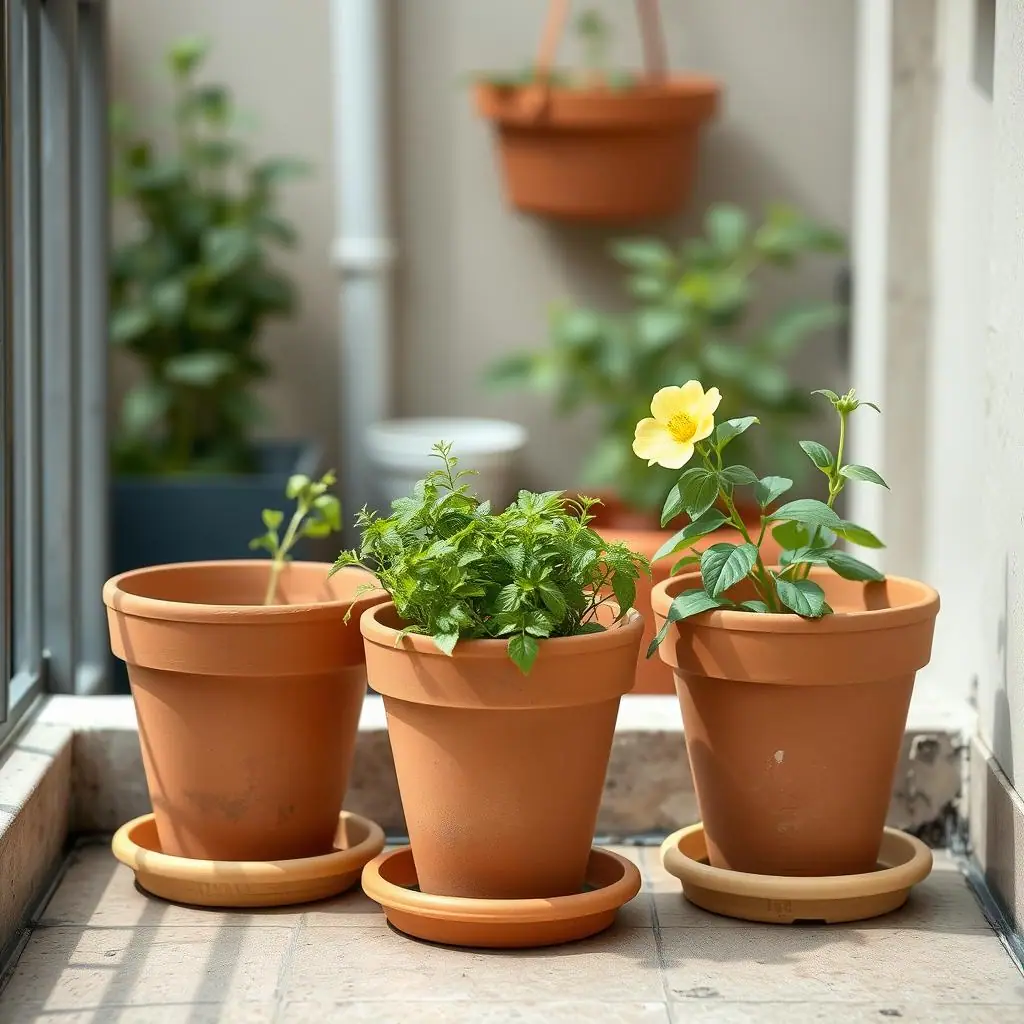
Drainage is one of the first details to check. University of Maryland Extension's container gardening guidance notes that containers need adequate drainage holes or slits so extra water can escape instead of sitting around roots.
What to Check Before Buying Plants
The most useful beginner work happens before the first trip to the garden center. A patio garden has to fit the building, the surface, and the way you actually live. That means measuring, reading rules, and choosing plants for the available conditions instead of choosing only by appearance.
Building and lease limits
Check your lease, HOA rules, or building guidelines before adding heavy planters, railing boxes, hooks, trellises, or anything that could drip onto a lower level. Many apartment gardeners can grow successfully, but the safest setup respects weight, drainage, and attachment rules from the beginning.
Light, wind, and access
Track light at morning, midday, and late afternoon for at least one normal day. A plant tag that says full sun usually means a much brighter location than a shaded apartment patio. Also notice whether the area gets strong gusts, reflected heat, or awkward access for watering.
- Measure the floor space: leave room to walk, clean, and move containers when weather changes.
- Check drainage paths: know where water goes before you place saucers or large pots.
- Look up plant needs: choose plants for your actual light, not the light you wish the patio had.
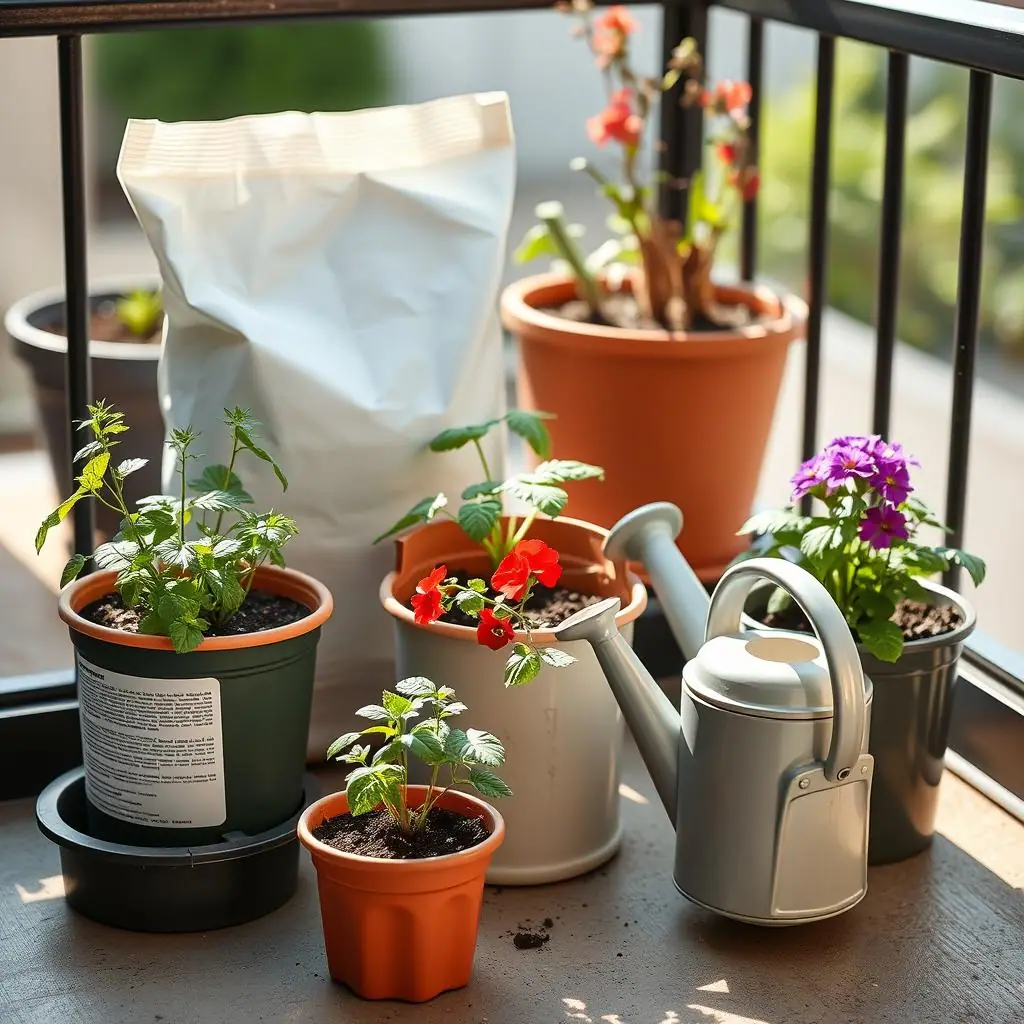
- Plan storage: keep soil bags, tools, and empty nursery pots from taking over the patio.
Apartment Patio Gardening Setup: The First Three Decisions
A beginner setup becomes easier when you make three decisions in order: where the garden can safely sit, what container size makes sense, and which plants match the conditions. This keeps the project grounded instead of turning it into a collection of impulse buys.
For the first containers, choose sturdy pots with drainage and enough root room for the plant. Avoid tiny decorative pots for thirsty herbs or vegetables unless you are ready to water often. Bigger is not always better on an apartment patio, but too-small containers dry quickly and limit root growth.
Use a container potting mix rather than digging soil from the ground. Outdoor container plants need a mix that drains while still holding enough moisture for roots. If you are growing edibles, keep the setup simple: one herb pot, one compact flower or foliage pot, and one small vegetable or salad container suited to your light.
A Simple Care Routine for the First Month
The first month is about observation. You are not trying to prove that every plant choice was perfect. You are learning when pots dry, which area gets too hot, whether wind damages leaves, and how much maintenance fits your schedule.
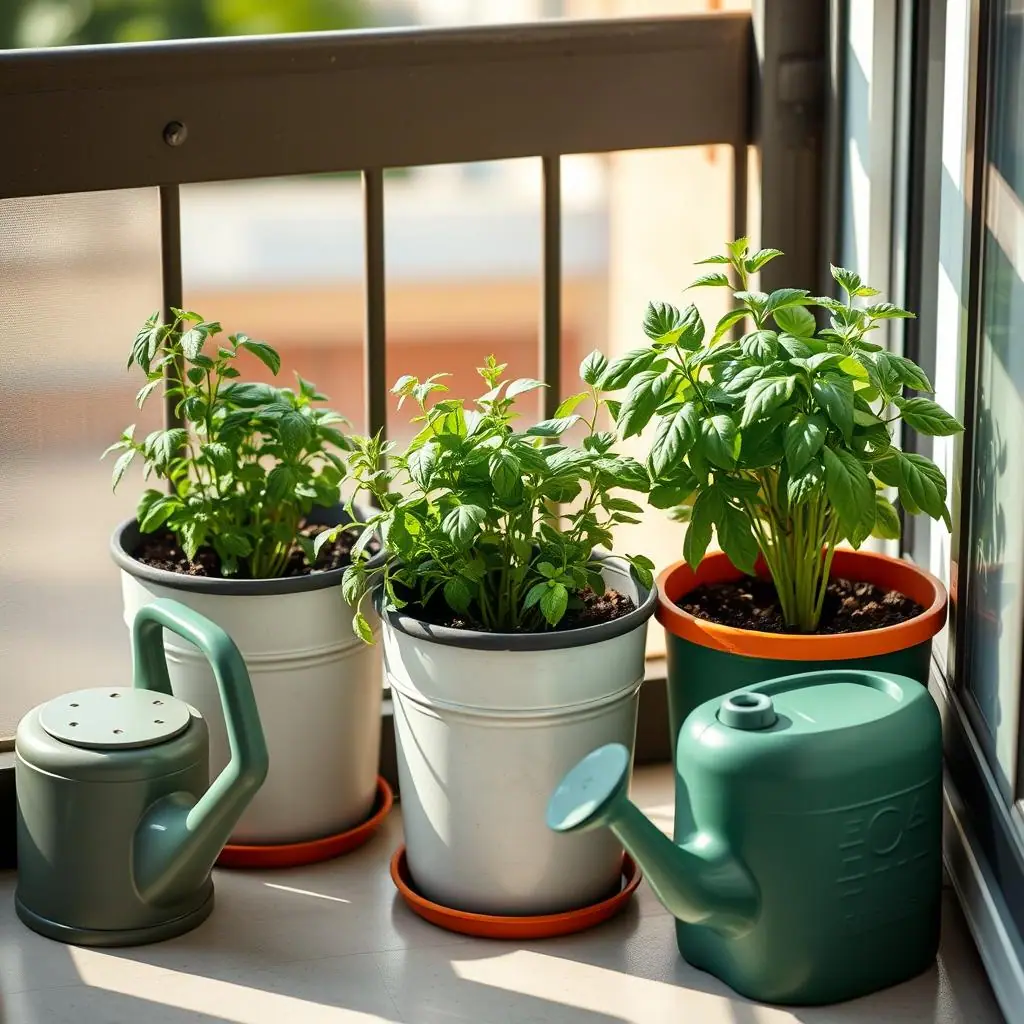
- Water by checking the mix: feel the top inch before watering instead of following a rigid calendar.
- Rotate only when needed: if one side stretches toward light, turn the pot a quarter turn every few days.
- Clean saucers weekly: do not let standing water become a habit.
- Remove stressed leaves: yellow, crispy, or damaged growth can help you notice patterns early.
- Adjust before replacing: move the pot, change watering, or add shade before assuming the plant failed.
Common Beginner Mistakes to Avoid
The most common apartment patio gardening mistake is treating the space like a smaller backyard. Containers need more frequent attention, patios can heat up quickly, and balcony wind can dry leaves faster than expected. A setup that looks good in a photo may not work in your building or climate.
Another mistake is buying several plants with different care needs. A beginner does better with plants that want similar light and watering. That way, one routine can support the whole setup instead of creating separate schedules for every pot.
When to pause before expanding
Pause if water is pooling, leaves are wilting daily, pots are hard to move, or the patio feels crowded. Those are signals to improve the current layout before adding more containers.
Pros and Cons
Easy to start small
A few containers can teach light, watering, and placement without a large budget.
Flexible layout
Pots can move as you learn which parts of the patio perform best.
Good for renters
Containers can usually be adjusted, cleaned up, or removed more easily than permanent garden changes.
Rules may limit choices
Building policies, weight concerns, and drainage restrictions can shape the setup.
Containers need attention
Pots can dry faster than garden beds, especially in sun, wind, or reflected heat.
Frequently Asked Questions
What should I buy first for apartment patio gardening?
Start with one or two sturdy containers with drainage, a container potting mix, and plants matched to your actual light.
How often should I water patio containers?
Check the potting mix instead of using a fixed calendar. Sun, wind, pot size, and plant type all change the watering rhythm.
Can I grow vegetables on an apartment patio?
Yes, if the patio has enough light, safe drainage, and containers sized for the crop. Compact herbs, lettuce, and small vegetables are easier first choices.
What if my apartment patio is shady?
Choose plants that tolerate lower light and avoid full-sun herbs or vegetables unless your space gets enough direct sun for them.
Final Thoughts
Apartment Patio Gardening: What Beginners Should Know First is really about matching ambition to the space you have. Check the rules, observe the light, plan for drainage, and keep the first setup small enough to maintain.
Once your first few containers survive a normal week of weather and watering, you will know much more than any shopping list can tell you. Use that evidence to decide what to add next.