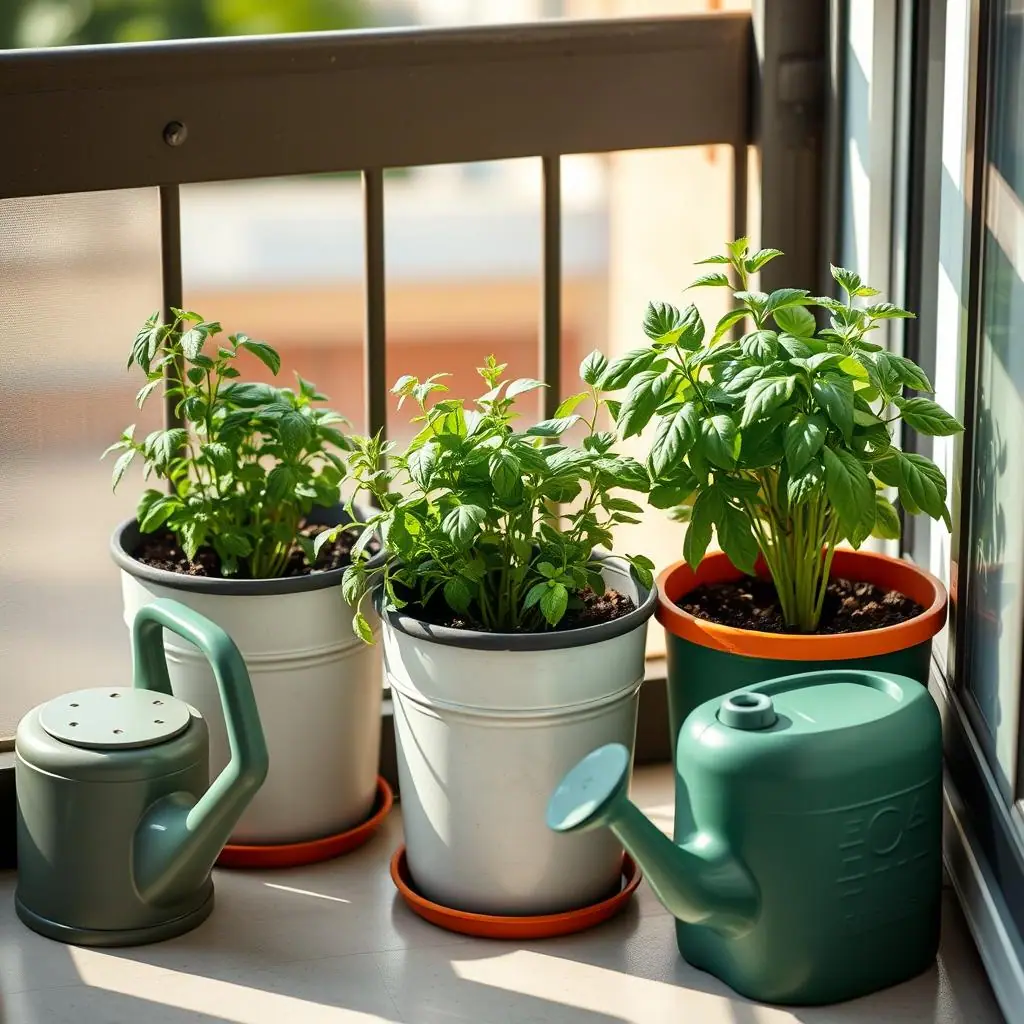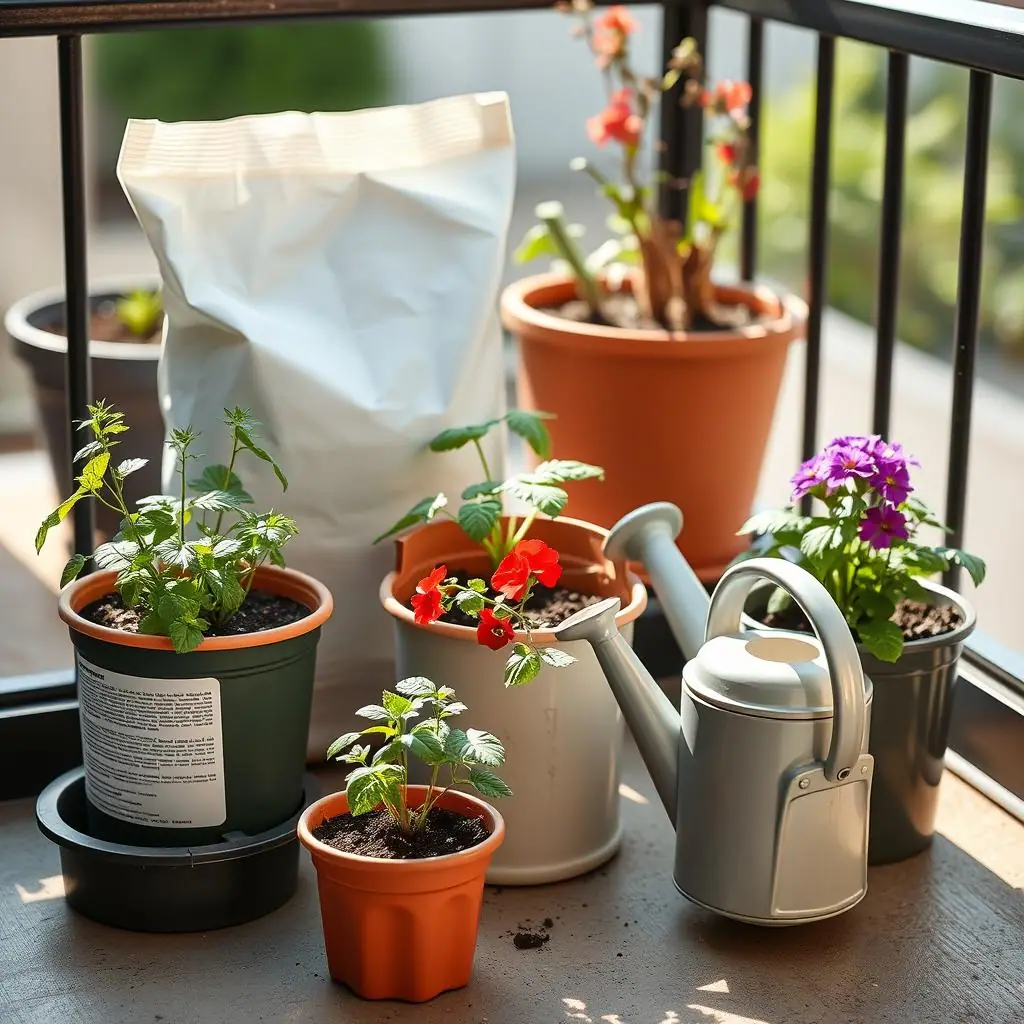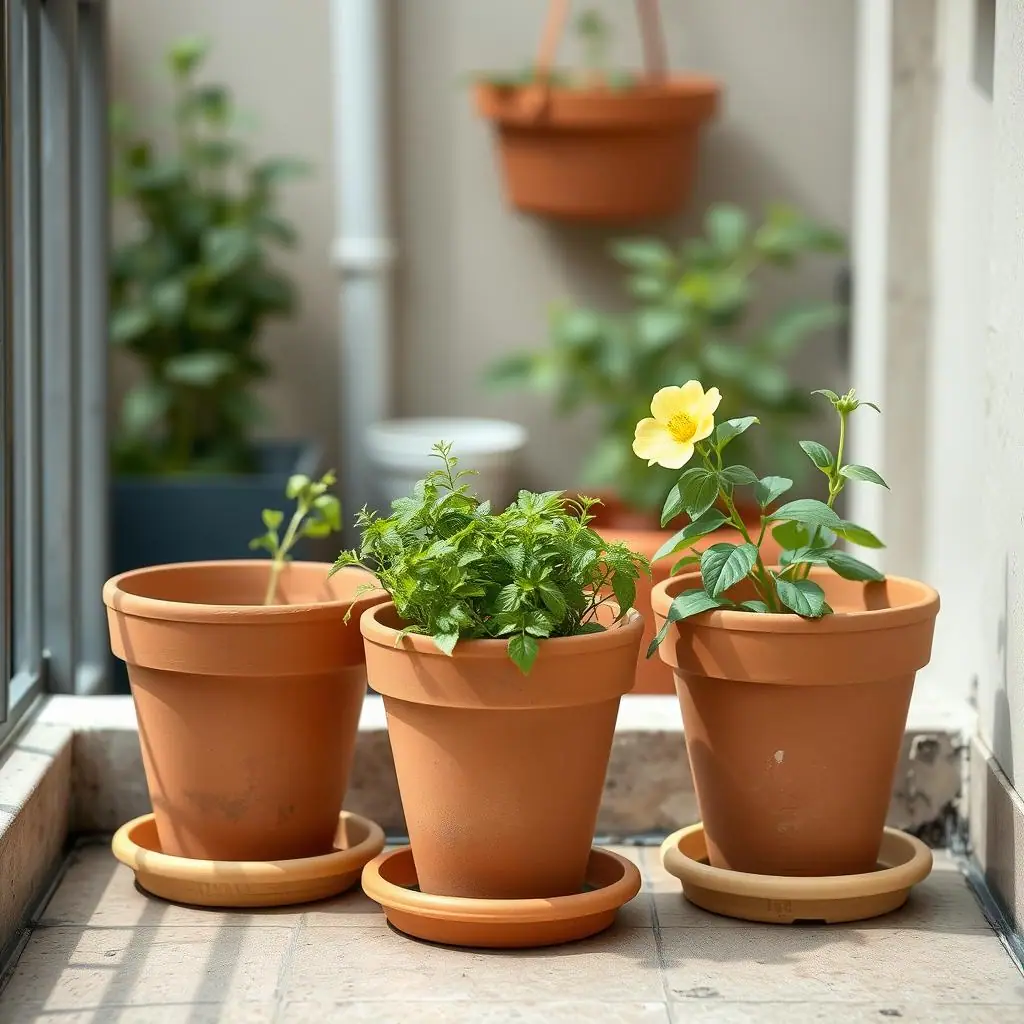
Small outdoor space gardening mistakes are easy to make because patios and balconies look simple at first. A few pots, a bag of mix, and a sunny corner can feel like enough, but containers behave differently from garden beds.
The good news is that most beginner problems are preventable. Before buying more plants or filling every corner, slow down and check the basics: light, drainage, container size, water access, weight, wind, and how much care you can repeat each week.
This guide focuses on practical mistakes to avoid so your first small-space garden stays useful, tidy, and easier to adjust when the weather changes.
Why Small Outdoor Space Gardening Mistakes Matter
A patio garden has less margin for error than an in-ground bed. Pots dry faster in sun, stay wetter in shade, and can heat up on hard surfaces. A balcony may also have building rules about weight, railing attachments, drainage, and what can hang over an edge.
Container gardening can work beautifully in a small outdoor space, but the setup needs to match real conditions. Oregon State University Extension's container gardening basics explains that containers need drainage and should fit the plant's mature size, which are two of the biggest beginner decisions.
Mistake 1: Buying Plants Before Reading the Space
The first mistake is choosing plants before you know what the patio can support. A plant tag may say full sun, part sun, or shade, but those labels only help if you have watched the space long enough to know what it actually receives.
How to read the patio first
Check morning, midday, and late-afternoon light on an ordinary day. Notice whether walls reflect heat, railings create shade, or nearby buildings block the sun after lunch. Wind also matters because it dries leaves and potting mix faster than many beginners expect.
- Do not guess from one glance: light can change sharply between morning and afternoon.
- Watch reflected heat: pale walls, brick, concrete, and glass can make a corner hotter than the air temperature suggests.
- Match plants to the weakest condition: if a spot gets only a short burst of sun, do not treat it like a full-sun garden.
Mistake 2: Starting With Too Many Containers
A crowded patio garden looks exciting on day one, but every extra container adds watering, saucer checks, cleanup, pruning, and decisions about where runoff goes. Too many pots also make it harder to learn which problem caused a plant to struggle.
Start with a small test group instead. Two or three containers can teach you how quickly your mix dries, whether the patio gets too windy, and which plants handle the location. After one or two normal weeks, you can expand with better evidence.
Mistake 3: Ignoring Drainage and Runoff
Containers need a way for extra water to leave. A decorative pot without drainage may look clean, but wet roots can decline quickly if water stays trapped at the bottom. On balconies, drainage also affects neighbors, flooring, and building rules.
Safer drainage habits
- Choose pots with drainage holes: make this the default unless you have a very specific cachepot setup.
- Use saucers thoughtfully: saucers protect surfaces, but standing water should not become a permanent puddle.
- Lift pots when needed: pot feet or risers can help airflow and make it easier to see runoff.
- Check where water goes: avoid setups that drip onto lower balconies, walkways, or shared walls.
- Empty after heavy watering: roots need moisture, not a sealed basin of stale water.
Mistake 4: Using the Wrong Soil or Pot Size
Garden soil is usually not the best choice for containers because it can compact inside a pot. A container potting mix is easier for beginners because it is made to balance moisture, drainage, and air around roots.
Pot size matters too. Very small pots dry quickly and leave little room for roots. Oversized pots can stay too wet if the plant is tiny and the gardener waters heavily. Choose a practical middle ground based on the plant type, mature size, and how often you can check moisture.
- Herbs: avoid tiny novelty pots if the herb needs steady moisture or regular harvesting.
- Flowers: match the container to the plant's mature spread, not just the nursery-pot size.
- Small vegetables: read spacing and depth needs before assuming any patio pot will work.
Mistake 5: Watering by Calendar Only
A fixed watering calendar is tempting, but patio containers respond to weather. Sun, wind, pot material, plant size, and season all affect how fast the mix dries. A pot that needs water every day in July may need much less during a cool cloudy week.
A better beginner routine
Check the top inch of potting mix before watering. If it feels dry for the plant you are growing, water slowly until the mix is evenly moist and excess can drain. If it still feels wet, wait and check again later.
This habit teaches you the garden's rhythm without turning plant care into guesswork. It also helps prevent the common cycle of overwatering a shaded pot and underwatering a sunny one because both were placed on the same schedule.
Pros and Cons of Starting Smaller
Easier troubleshooting
With fewer pots, it is simpler to notice whether the issue is light, drainage, watering, wind, or plant choice.
Lower upfront cost
A small setup prevents expensive impulse buys before you understand the patio's real conditions.
Cleaner daily routine
Watering, trimming, and resetting the space take less time when every container has a clear purpose.
Less instant impact
A smaller garden may look modest at first, especially compared with inspiration photos.
Requires patience
You need to observe the space for a few days before the best next purchase becomes obvious.
A Simple Small-Space Garden Checklist
Use this checklist before each new purchase. It keeps the garden grounded in what your patio can actually handle.
- Light: have I checked morning, midday, and afternoon sun?
- Drainage: can water leave the pot and avoid bothering neighbors?
- Weight: is the container reasonable for the balcony or surface?
- Access: can I water and clean around this pot easily?
- Plant fit: does this plant match the available light, wind, and container size?
- Routine: can I care for this plant during a normal busy week?
Frequently Asked Questions
What is the biggest small outdoor space gardening mistake?
The biggest mistake is buying plants before checking light, drainage, space, and building rules. Those basics should shape the first setup.
How many pots should a beginner start with?
Two or three containers are enough for most beginners. That gives you useful variety without making watering and troubleshooting confusing.
Can I fix a patio garden that is already crowded?
Yes. Remove unhealthy plants, group containers by watering needs, clear walkways, and keep only the pots you can care for consistently.
Should I use self-watering planters right away?
They can help in some sunny or busy households, but beginners should still learn how their plants respond to light, heat, and moisture before relying on any one product.
Final Thoughts
Small Outdoor Space Gardening Mistakes to Avoid comes down to one calm habit: check the space before expanding the garden. Light, drainage, pot size, watering access, and weekly maintenance matter more than a crowded first shopping trip.
Start with a few containers, watch them through normal weather, and let each improvement answer a real problem. A small patio garden grows better when it grows in steps.