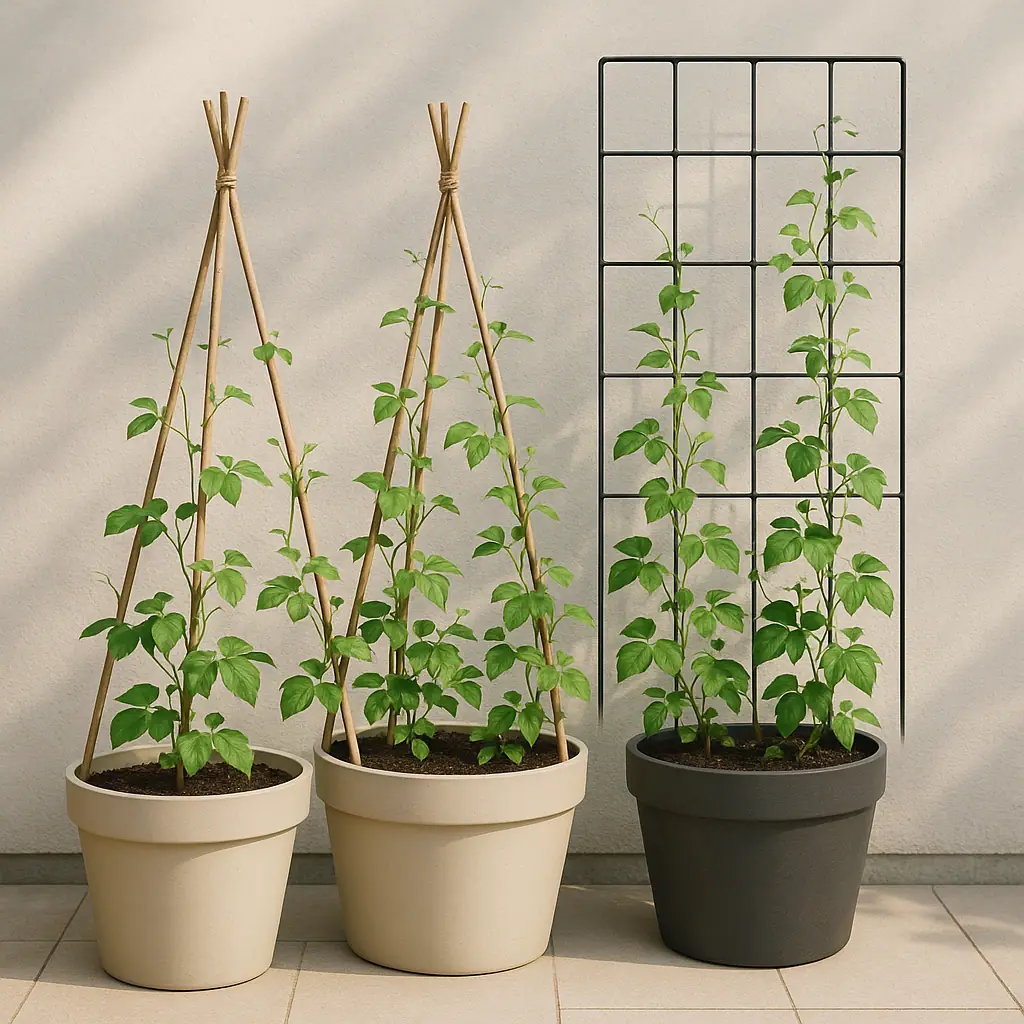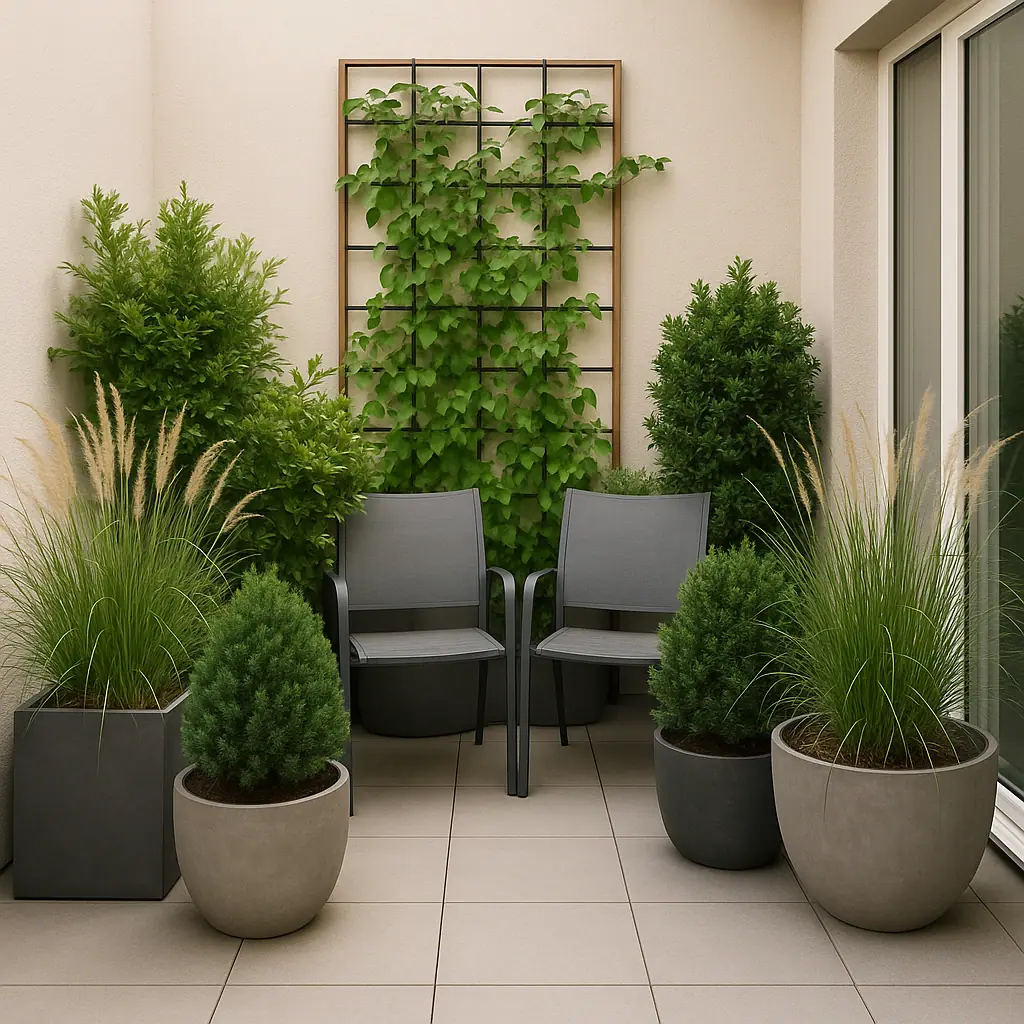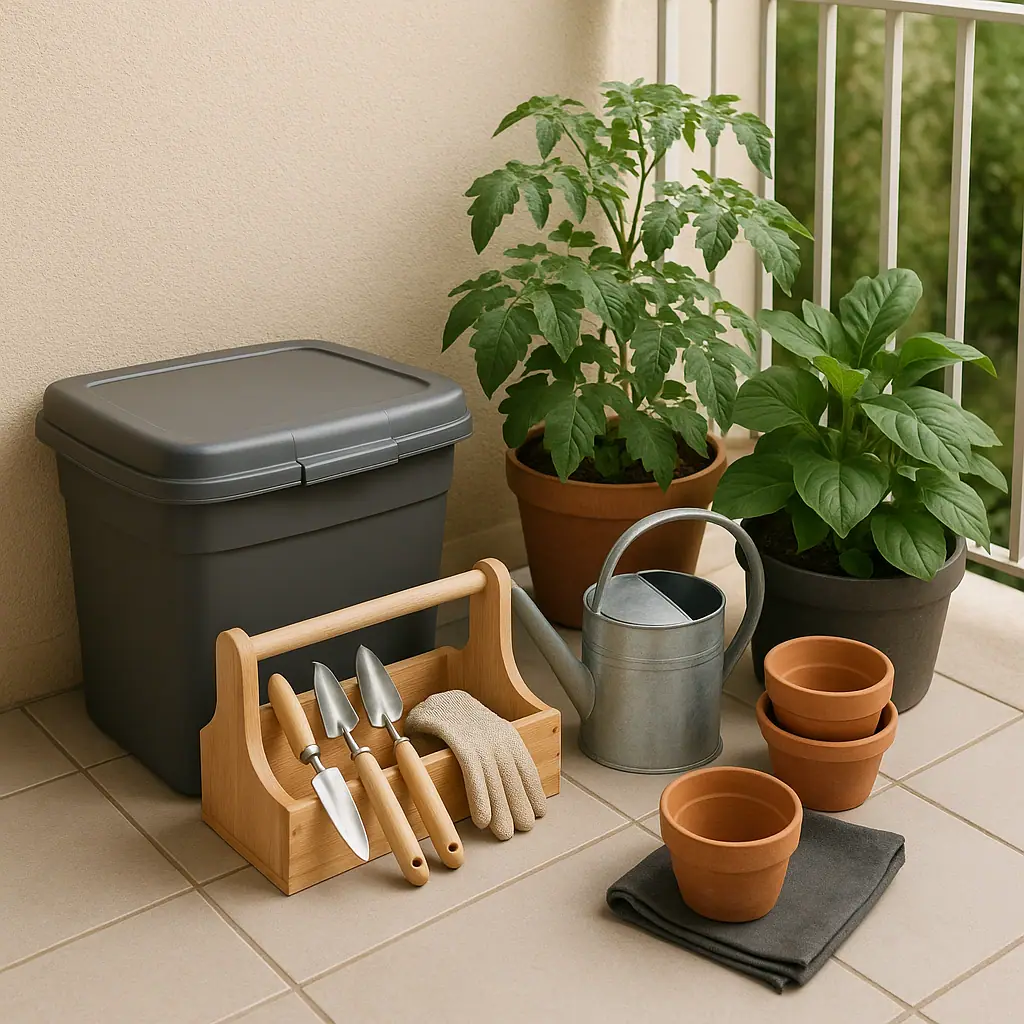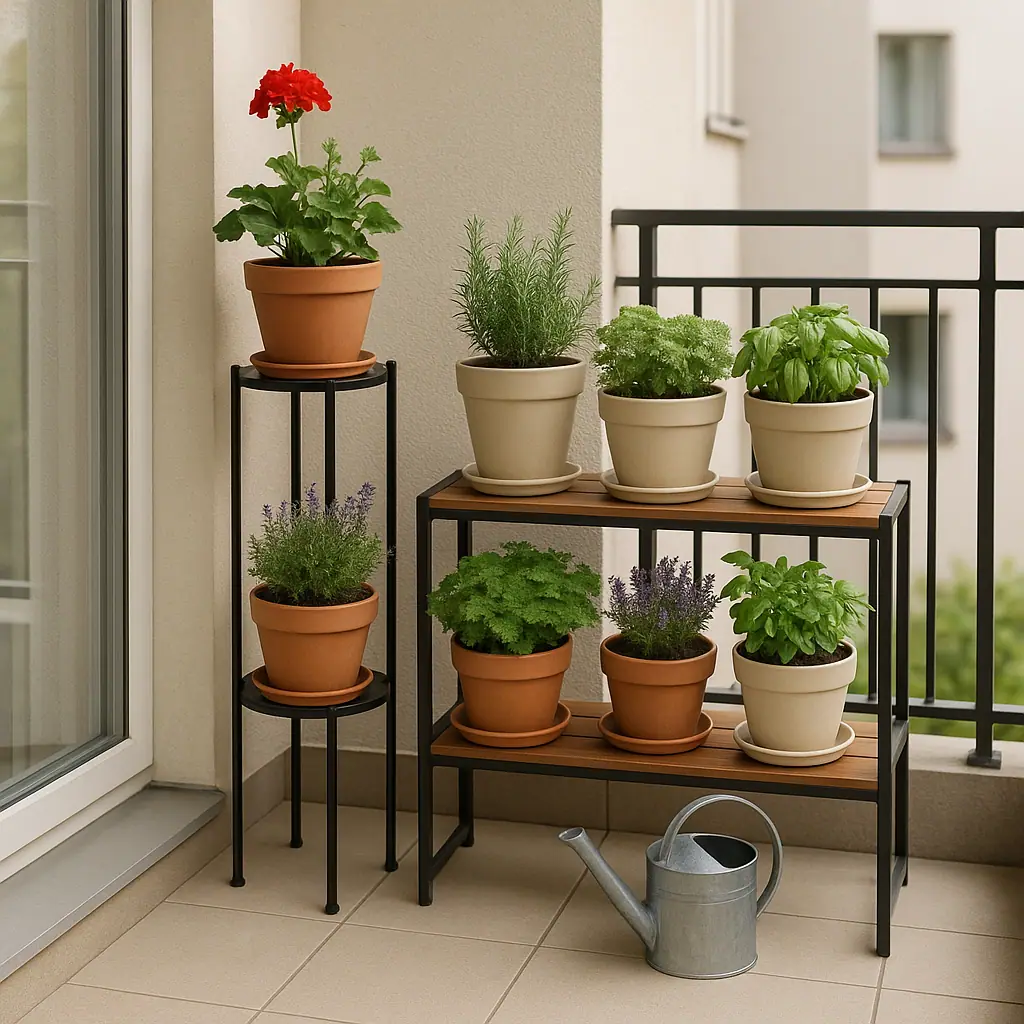
Renter-friendly balcony plant stands that do not need drilling can make a small outdoor space feel more useful without turning it into a construction project. The goal is simple: lift plants where they get light, keep the floor easier to clean, and avoid holes in walls, railings, siding, or masonry.
The careful part is that a plant stand still has to behave well in real balcony conditions. Pots get heavy after watering, wind can push tall plants, and runoff can create problems for neighbors below. A no-drill setup is only renter-friendly if it is stable, removable, and easy to maintain.
Why Renter-Friendly Balcony Plant Stands Matter
Many renters want more growing space but cannot attach brackets, screw shelves into exterior walls, or permanently change railings. Freestanding plant stands, tiered shelves, rolling caddies, and low benches can help because they sit on the balcony floor instead of relying on drilled hardware.
University of Maryland Extension notes that container gardens can work on decks and balconies, but weight matters: a 20-inch container filled with moist potting mix and plants can weigh about 100 pounds. Their guidance also warns that tall plants in small lightweight containers can become top-heavy unless they are well anchored: growing vegetables in containers and salad tables.
Start With Renter-Friendly Outdoor Upgrades
A good renter-friendly outdoor upgrade should pass three tests: it can be removed later, it does not damage the building, and it does not create a safety or water problem while you use it. Plant stands often pass the first test, but the second and third depend on the exact product, the balcony surface, and how you load it.
If this is your first balcony garden, keep the setup modest. One low stand with two or three containers is easier to understand than a tall tower packed with heavy pots. You can always add height later once you know how the space handles light, wind, and watering.
For planning the whole space, PatioSprout's guide to planning a container garden before buying plants can help you map the area before you buy a stand. A plant stand should support the garden plan, not force you to work around an awkward piece of furniture.
What counts as no-drill?
No-drill usually means the stand rests on the floor or hooks over an approved edge without screws, bolts, wall anchors, adhesive plates, or permanent brackets. For renters, freestanding is often the safest category because it is easiest to remove and inspect.
What still needs caution?
Clamp-on, railing-hung, and tension-style products may be marketed as no-drill, but they still place force on parts of the building. Before using them, check whether your lease or building rules allow anything attached to railings, privacy screens, or balcony edges.
What to Check First for Renter-Friendly Balcony Plant Stands That Do Not Need Drilling
Before comparing styles, look at the balcony itself. A stand that works on a sheltered patio may not work on a windy upper-floor balcony. A narrow shelf that looks tidy online may block the door swing, pinch a walkway, or leave no room to water safely.
- Lease and building rules: confirm whether stands, railing planters, hooks, mats, and saucers are allowed.
- Weight after watering: estimate the stand plus moist soil, pots, saucers, and mature plants.
- Surface level: avoid tall stands on sloped, uneven, cracked, or slick surfaces.
- Wind exposure: exposed balconies need lower, wider, heavier-bottomed setups.
- Drainage path: make sure water will not drip downstairs or collect against the building.
- Daily access: leave space to open doors, walk, water, harvest, and move plants when weather changes.
The University of Illinois Extension explains that container shape and volume affect stability, and that exposed balconies, rooftops, and decks are especially prone to wind problems. Their container-size guidance is useful when deciding whether to keep heavy pots low instead of stacking them high: container size and stability.
Best No-Drill Plant Stand Types for Renters
There is no single best stand for every balcony. The right choice depends on how much room you have, how much sun the plants need, and how often you can move or clean the setup.
Low freestanding benches
A low bench is often the calmest first option. It raises pots slightly, keeps them grouped, and usually feels more stable than a tall tiered unit. Choose one with weather-resistant material, wide feet, and enough depth for saucers.
Tiered ladder-style stands
A tiered stand can save floor space, but it needs a careful load plan. Keep heavier pots on the lowest shelf and lighter herbs or flowers above. Avoid placing tall, sail-like plants on the top tier if your balcony gets gusty wind.
Rolling plant caddies
A wheeled caddy can help with one heavy container, especially when you need to rotate a pot or move it for cleaning. Use locking wheels when available, and avoid relying on a caddy to hold a tall unstable plant on a windy edge.
Corner plant shelves
Corner shelves can use dead space well, but they must not block drainage, air movement, or access to railings. Corners can also trap leaves and spilled soil, so leave enough room to clean behind the stand.
How to Set Up Renter-Friendly Balcony Plant Stands Step by Step
Think of the first setup as a test arrangement. You are learning where the stand feels stable, how water moves, and whether the plants receive the light you expected.
- Read the rules first: check the lease, building handbook, or balcony guidelines before buying anything that hooks, clamps, or leans.
- Measure the working zone: include door swing, walking space, chair clearance, and room for a watering can.
- Choose a low-risk stand shape: beginners should favor low, wide, freestanding stands over tall narrow towers.
- Place heavy pots at the bottom: keep the center of gravity low and avoid loading top shelves first.
- Add saucers or drip trays: use removable trays so you can empty overflow instead of letting water sit.
- Test after watering: check whether the stand wobbles, sags, stains the floor, or sends water where it should not go.
- Watch one windy day: if leaves whip hard or pots shift, simplify the setup before adding more plants.
- Review weekly: tighten removable parts, clean spilled soil, empty saucers, and move plants that are crowding each other.
If drainage is the part that worries you most, read PatioSprout's guide to keeping balcony planters from dripping downstairs before placing the stand permanently. Good water control protects both plants and neighbor relationships.
Pros and Cons of No-Drill Balcony Plant Stands
Removable for renters
Freestanding stands can usually be taken down, cleaned, or moved without leaving holes or permanent marks.
Better use of vertical space
A stand can lift small pots into better light and make a compact balcony feel less cluttered.
Easier seasonal changes
You can swap herbs, flowers, or small edibles as conditions change without rebuilding the balcony layout.
Weight adds up quickly
Moist soil, ceramic pots, and mature plants can make a small stand much heavier than it looked empty.
Tall stands can wobble
Narrow or lightweight stands may become unstable in wind, especially when heavier pots sit on upper shelves.
Common Renter-Friendly Outdoor Upgrade Mistakes to Avoid
The biggest mistake is buying for appearance before checking practical limits. A pretty stand is not useful if it blocks the balcony door, cannot hold saucers, or makes you nervous every time the wind picks up.
- Ignoring product limits: check the manufacturer's weight rating and do not guess.
- Using indoor-only furniture outside: moisture and sun can weaken materials not made for outdoor use.
- Putting heavy pots high: load the bottom shelf first and keep large containers low.
- Skipping drip control: saucers, trays, and careful watering matter more on balconies than on ground-level patios.
- Crowding plants too tightly: leave room for airflow, pruning, and checking soil moisture.
- Trusting adhesive fixes outdoors: heat, water, dust, and surface texture can reduce adhesive reliability.
A Simple Checklist Before You Buy
Use this checklist in the store or while comparing products online. If you cannot answer a question, pause before buying.
- Rules: does your lease or building allow this type of stand?
- Footprint: will it fit without blocking the door, walkway, or emergency access?
- Weight: can it hold the full load after watering, not just empty pots?
- Stability: is the base wide enough for your wind exposure and pot sizes?
- Drainage: can each pot sit in a removable tray or saucer?
- Material: is it rated or clearly suitable for outdoor conditions?
- Maintenance: can you clean under and behind it without moving everything at once?
When to Get Extra Help
Ask your property manager, landlord, or building office before using anything that touches shared railings, exterior walls, balcony edges, or drainage systems. Do not rely on a product listing alone if the item clamps, hangs, wedges, or transfers weight to a part of the building.
It is also worth getting help if you are planning large containers, small trees, tall trellises, or multiple heavy pots on one stand. A modest herb shelf is one thing. A loaded balcony corner with several large containers deserves more caution.
Frequently Asked Questions
What should I check first before buying a renter-friendly balcony plant stand?
Check your lease or building rules first, then measure the balcony and estimate the full weight of pots after watering.
Are railing plant stands renter-friendly?
Only sometimes. If the stand clamps, hooks, or rests on a railing, confirm that your building allows it and that the product fits the railing safely.
What is the safest plant stand shape for a windy balcony?
A low, wide freestanding stand with heavier pots on the bottom is usually safer than a tall narrow shelf. Wind exposure still needs careful observation.
Can I change the setup later?
Yes. That is one benefit of no-drill stands. Review the layout after watering, after windy weather, and when plants grow larger.
Final Thoughts
Renter-friendly balcony plant stands that do not need drilling are best when they stay modest, stable, and easy to remove. Start with a low freestanding option, keep heavy containers near the floor, and give every pot a drainage plan.
Once the first stand works through watering days and windy days, you can add more plants with better judgment. A calm setup that respects the building and keeps plants healthy is more useful than the tallest shelf you can fit.