One-pot herb garden ideas for small outdoor spaces are useful because they let you grow a few kitchen herbs without turning the whole patio into a project. Instead of buying five separate planters, soil bags, saucers, and stands, you can build one focused container and learn how herbs behave in your actual light.
The trick is not to treat every herb as interchangeable. A shared pot works best when the plants like similar sun, drainage, and watering. If you group herbs only by what sounds good in dinner, one plant may dry out, sprawl, or shade the others before the container feels settled.
Why One-Pot Herb Garden Ideas Matter in Small Outdoor Spaces
Small patios and balconies have limits: railing shade, wind, reflected heat, narrow walkways, and rules about dripping water. A single herb container keeps the experiment manageable. You can move it, rotate it, check drainage, and adjust watering without maintaining a crowded collection of pots.
University of Illinois Extension notes that herbs can be grown in containers as long as the container has drainage holes, uses loose well-drained potting mix, and matches the herbs to the space: growing herbs in containers. That is the foundation for every one-pot layout below.
Start With Compact Herbs and Edible Containers
For a beginner, a one-pot herb garden should be easy to water, easy to harvest, and easy to understand. Choose a container with drainage holes and enough room for root growth. A shallow decorative bowl may look charming on day one, but herbs usually do better with a practical pot that gives roots space and lets extra water leave.
If you are still unsure about size, PatioSprout's guide to best pot sizes for herbs, flowers, and small vegetables can help you choose a container before you buy plants. After that, think about how the pot will sit in your space: on the floor, on a sturdy table, or on a plant stand that will not tip in wind.
Good starter herbs for one pot
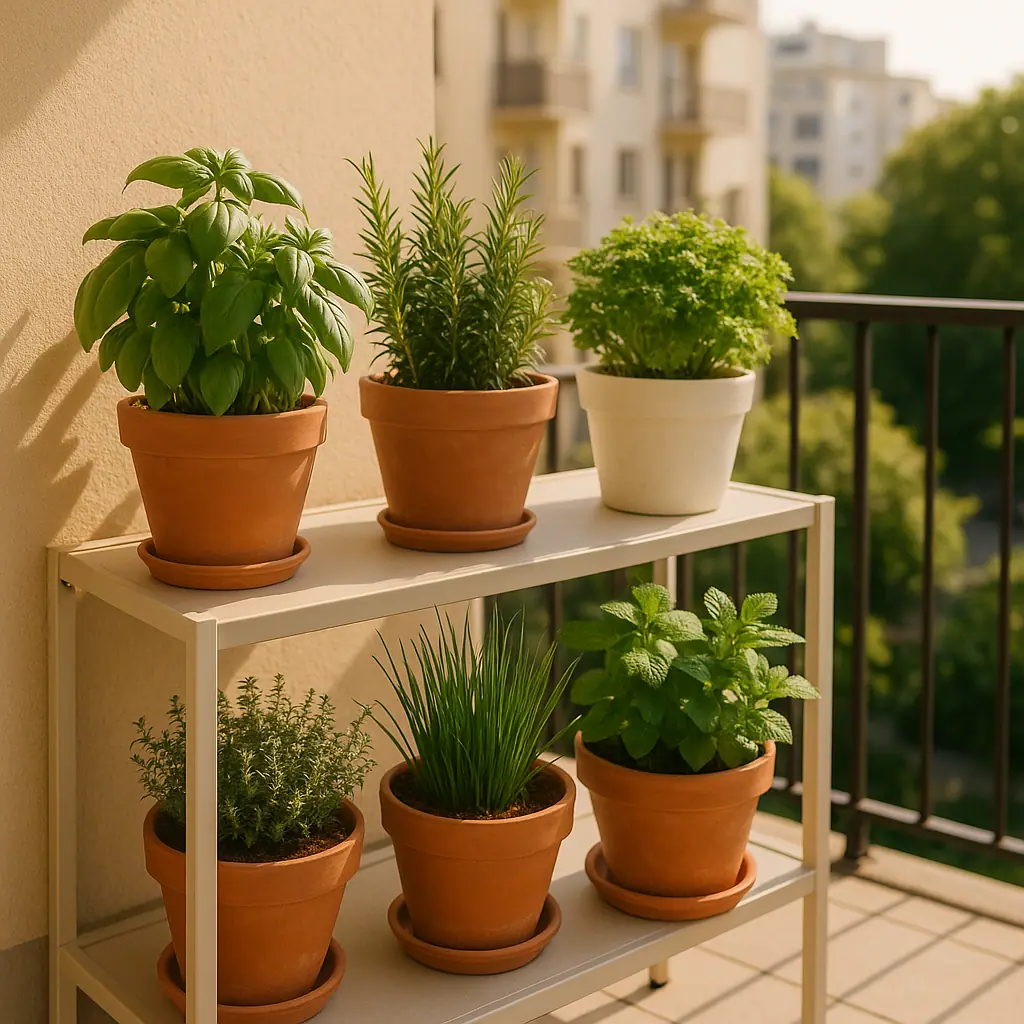
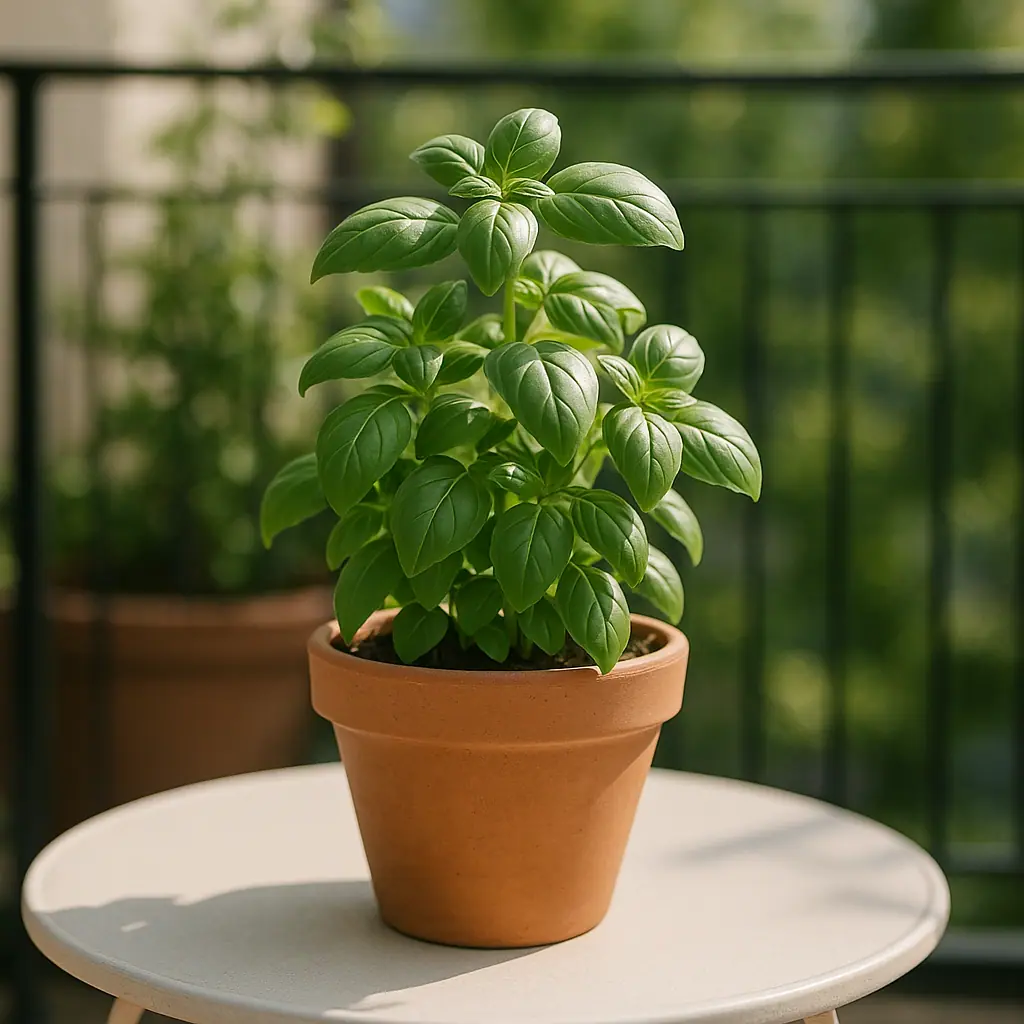
- Basil: useful for sunny patios, but it wants warmth, regular harvests, and consistent moisture.
- Parsley: slower and tidy, often a good filler around taller herbs.
- Chives: compact, upright, and easy to snip without disturbing the rest of the container.
- Thyme: lower-growing and useful near the edge if the pot drains well.
- Oregano: flavorful and spreading, best near an edge where it has room to trail.
Herbs to treat carefully
Mint is useful, but it can take over a shared pot fast. Rosemary can grow woody and larger than a beginner expects. Cilantro and dill may bolt in heat, so they are better treated as short-season choices than permanent anchors. None of these are impossible, but they need a clearer plan than a simple mixed starter pot.
Three One-Pot Herb Garden Ideas for Small Outdoor Spaces
Use these layouts as starting points, not rigid recipes. Your climate, sun exposure, and container size matter. If your patio has intense afternoon heat, choose tougher herbs and check moisture more often. If your balcony only gets gentle morning sun, avoid forcing sun-loving herbs to perform like they are in a garden bed.
The sunny kitchen pot
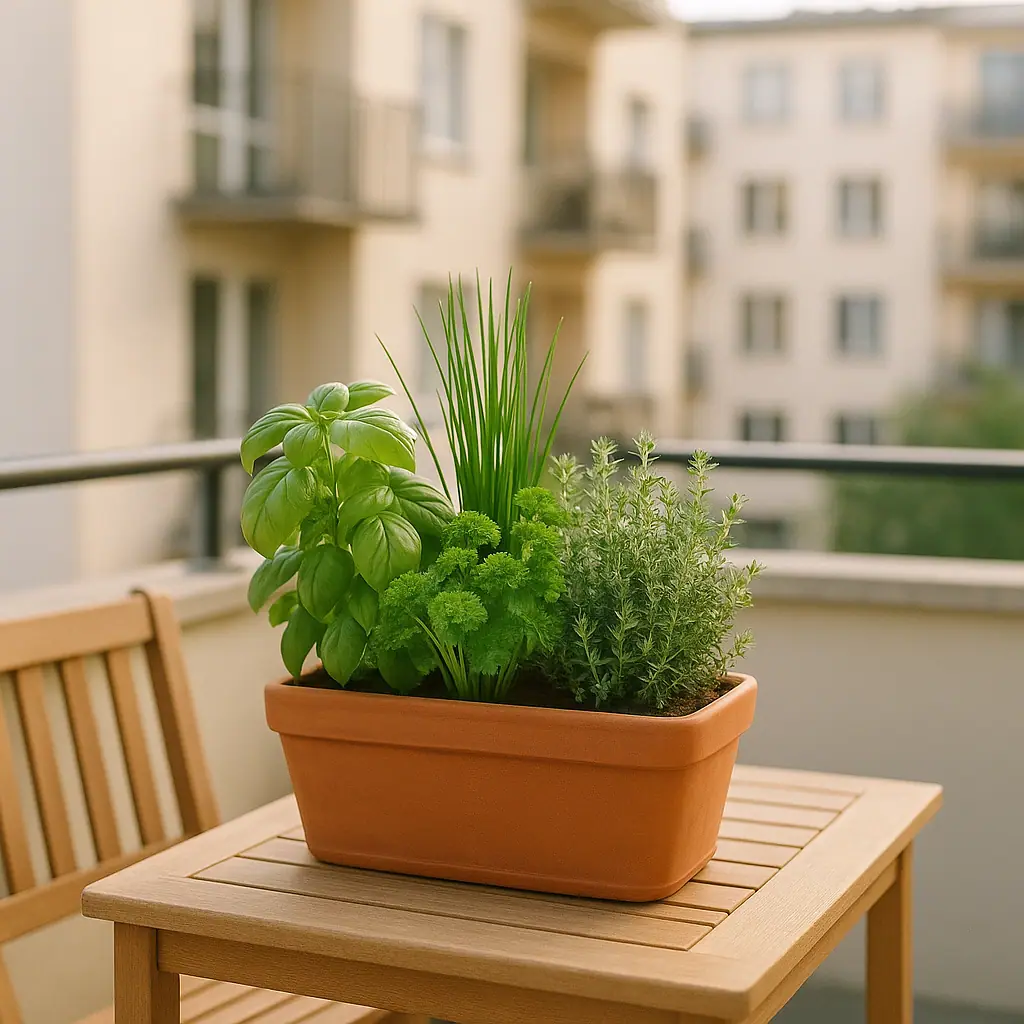
Plant basil in the center, parsley on one side, and chives on the other. Add thyme near the rim if the container is wide enough. This is a good first layout for a warm, bright patio because the herbs are easy to recognize and easy to harvest.
The Mediterranean edge pot
Use thyme, oregano, sage, and a compact rosemary only if the container is large enough. This grouping prefers strong light and careful watering. It is a better choice for gardeners who already know their patio does not stay soggy after rain.
The gentle morning-sun pot
Try parsley, chives, and mint only if you keep the mint controlled in a nursery pot sunk inside the larger container. This layout is useful for patios that get morning sun and afternoon shade, but it needs regular trimming so one plant does not dominate.
How to Build a One-Pot Herb Garden Step by Step
Before you plant, set the empty pot where you think it will live. Make sure you can reach it easily, water will not drip onto a neighbor's space, and the container will not block a walking path. A beautiful pot that is annoying to reach will be neglected faster than a plain pot in the right spot.
- Check the light: count real direct sun on the container location, not just brightness on the patio floor.
- Choose compatible herbs: group plants with similar sun and watering needs instead of mixing random favorites.
- Use potting mix: choose a loose container mix rather than heavy garden soil.
- Confirm drainage: make sure holes are open and the saucer will not hold standing water after every watering.
- Place the tallest herb first: put basil, rosemary, or another upright herb near the back or center depending on how the pot will be viewed.
- Add lower herbs near the rim: thyme, oregano, or chives can sit toward the edge where they are easy to trim.
- Water thoroughly once: let water run through, then check how quickly the mix begins to dry over the next day or two.
- Harvest lightly: snip small amounts often once the plants are growing, instead of stripping the pot all at once.
If your pot will sit on a balcony, also think about where water goes after it drains. The guide to keeping balcony planters from dripping downstairs is a useful next read before you place the container permanently.
Pros and Cons of a One-Pot Herb Garden
Simple to manage
One container is easier to water, rotate, move, and inspect than several small pots scattered around a tight patio.
Good for learning your space
You can see how sun, wind, and heat affect several herbs in one location before expanding your garden.
Useful for cooking
A compact pot with basil, parsley, chives, thyme, or oregano gives you small fresh harvests without needing a full edible garden.
Not every herb gets along
Some herbs want drier soil, some want steadier moisture, and aggressive growers can crowd gentler plants.
Problems affect the whole pot
If drainage, heat, or watering is wrong, several herbs may struggle at the same time instead of just one separate plant.
Common One-Pot Herb Garden Mistakes to Avoid
The most common mistake is overfilling the container on planting day. Small nursery herbs grow. A pot that looks perfectly full in the store can become crowded in a few weeks, especially if basil or oregano takes off.
- Skipping drainage: decorative cachepots without open drainage holes can trap water around roots.
- Mixing mint freely: mint often grows too aggressively for a polite shared herb pot.
- Planting tall herbs in front: put taller herbs where they will not shade smaller ones.
- Ignoring wind: balcony wind can dry leaves and tip lightweight pots.
- Harvesting too hard: take small snips and let plants regrow before cutting again.
A Simple One-Pot Herb Garden Checklist
Use this checklist before you buy anything. It keeps the project small and prevents the classic beginner pattern of bringing home herbs before knowing where they will actually live.
- Light: does the chosen spot get enough direct sun for the herbs you want?
- Container: does the pot have drainage holes and enough depth for roots?
- Water path: can extra water drain without staining, pooling, or dripping where it should not?
- Herb match: do the plants prefer similar moisture and sun?
- Access: can you reach the pot easily for watering and harvesting?
- Exit plan: do you have a separate pot ready if one herb starts taking over?
When to Adjust or Split the Pot
A one-pot herb garden is not locked in forever. If one herb becomes huge, the soil dries out twice a day, or a plant keeps wilting while the others look fine, split the problem plant into its own container. That is a normal gardening adjustment, not a failure.
You should also adjust the pot seasonally. Basil may thrive in warm weather and fade when nights cool. Parsley and chives may stay useful longer in mild conditions. Watch the plants, trim regularly, and replace short-season herbs when they stop giving you tender new growth.
Frequently Asked Questions
What should I check first before making a one-pot herb garden?
Check light and drainage first. The herbs can only work together if the pot sits in a suitable spot and extra water can leave the container.
How many herbs should I plant in one container?
For beginners, three herbs are often easier than five. Use more only if the container is wide enough and the herbs have similar needs.
Can I put mint in a mixed herb pot?
You can, but it is safer to keep mint in its own small inner pot or separate container. It spreads quickly and can crowd other herbs.
Can I change the herb combination later?
Yes. Container gardens are flexible. If one plant struggles or outgrows the pot, move it, replace it, or simplify the container.
Final Thoughts
The best one-pot herb garden ideas for small outdoor spaces are practical, not crowded. Start with a container that drains, choose herbs that like similar conditions, and leave enough room for growth. A simple basil, parsley, chives, and thyme pot can teach you more than a complicated arrangement that is hard to maintain.
Once you understand how your patio handles light, wind, and watering, you can expand with confidence. For now, one healthy herb pot near the kitchen door or balcony chair is a strong first step.