How to build a no-permanent-changes patio garden is a useful question for renters, condo owners, and anyone who wants plants without drilling into walls, attaching hardware to railings, staining the floor, or creating a setup that is hard to undo. A good patio garden can still feel settled and attractive. It simply needs to be built from freestanding pieces, manageable containers, and habits that respect the space you actually have.
The safest first version is small, movable, and easy to reset. Think of it as a garden you can test for a season: a few containers, a drainage plan, one simple layout, and no changes that would surprise a landlord, property manager, or future version of you on moving day.
Why This Matters
A no-permanent-changes patio garden protects your options. You can adjust the layout when light changes, remove plants before harsh weather, clean the surface under pots, and take the garden with you if you move. It also lowers the risk of accidentally damaging shared surfaces with trapped moisture, scratched flooring, overflowing saucers, or heavy planters in the wrong spot.
The plant-care side matters too. Illinois Extension explains that a drainage hole at the bottom of a container is critical because it allows water to drain freely and keeps air available around roots: container drainage options.
Start With Renter-Friendly Outdoor Upgrades
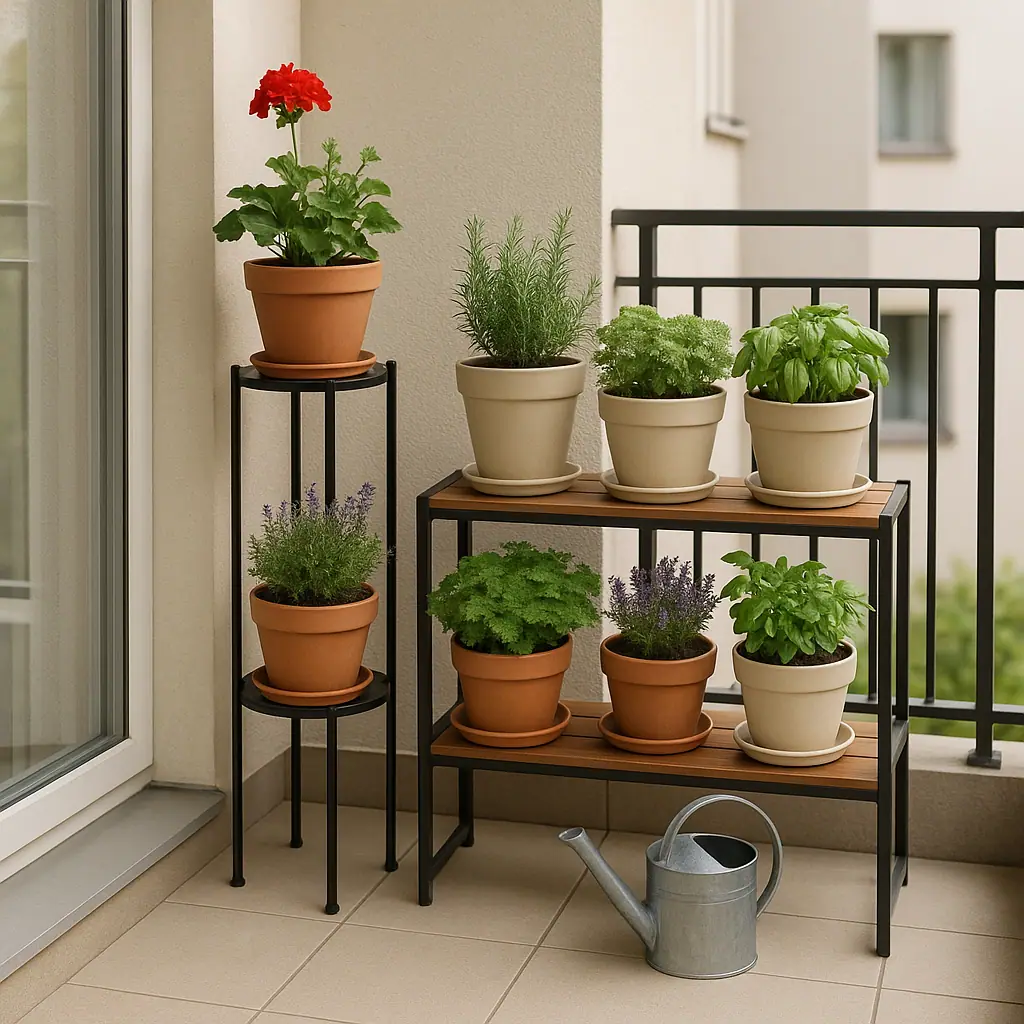
Renter-friendly outdoor upgrades should be reversible, modest, and easy to inspect. For a patio garden, that usually means lightweight pots, grow bags, trays, low plant stands, rolling caddies, freestanding shelves, and small trellises that stay inside the container instead of attaching to the building.
If you are still deciding what belongs outside, PatioSprout's guide to planning a container garden before buying plants can help you map light, access, and priorities before you buy supplies.
Use containers as the garden structure
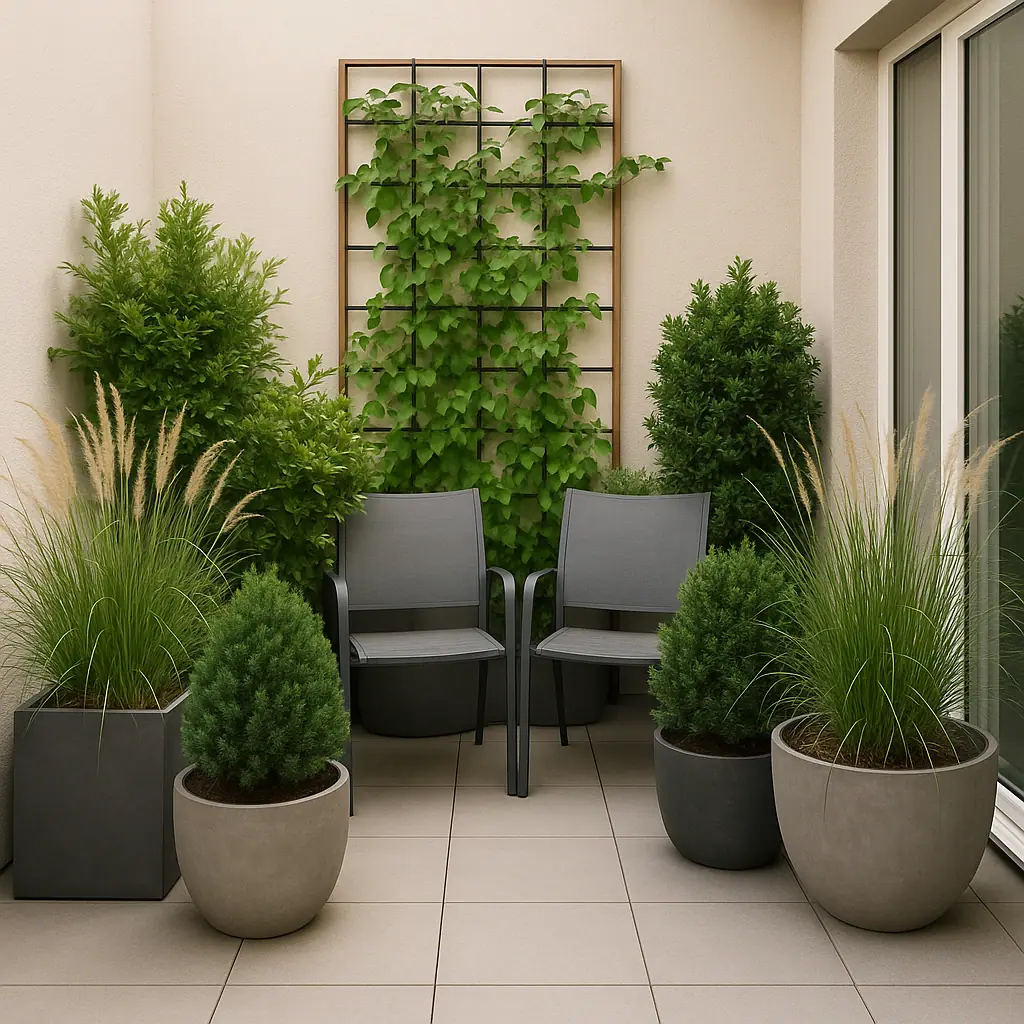
Containers do most of the work in a no-permanent-changes setup. They hold the soil, define the layout, create height, and make the garden removable. Start with two or three container sizes instead of many different decorative pieces. The garden will look calmer, and it will be easier to water and move.
Keep the first layout low and stable
Beginners often want vertical height right away, but low stable pieces are easier to manage. A low shelf, wide planter, or grouped herb tray is usually safer than a tall rack loaded with heavy pots.
What to Check First for a No-Permanent-Changes Patio Garden
Before buying plants, check the outdoor space like a practical work area. The best renter patio garden ideas respect walkways, drainage, wind, weight, and shared rules.
- Rules: check your lease, HOA, balcony guide, or building office before using railing planters, hanging hooks, tall shelves, or attached privacy screens.
- Weight: wet potting mix, saucers, mature plants, stakes, and water can make containers much heavier than they look empty.
- Drainage: every planted pot needs a way for excess water to leave the root zone without dripping where it should not.
- Wind: upper balconies, exposed corners, and narrow patios may need lower containers and fewer tall plants.
- Surface protection: choose trays, pot feet, saucers, or mats that can be cleaned and moved, and avoid trapping moisture under heavy pots.
- Daily access: leave room for doors, chairs, walking, watering, pruning, and emergency access.
Watering is one of the reasons containers need regular attention. University of Minnesota Extension notes that repeated watering can leach nutrients from container plants over time, so container care is not a one-time setup: fertilizing and watering container plants.
How to Build a No-Permanent-Changes Patio Garden Step by Step
Use this sequence as a conservative first build. It creates a garden that can grow, but it does not depend on permanent changes.
- Map the usable zone: choose one corner, wall edge, or seating-adjacent area where plants can live without blocking the door.
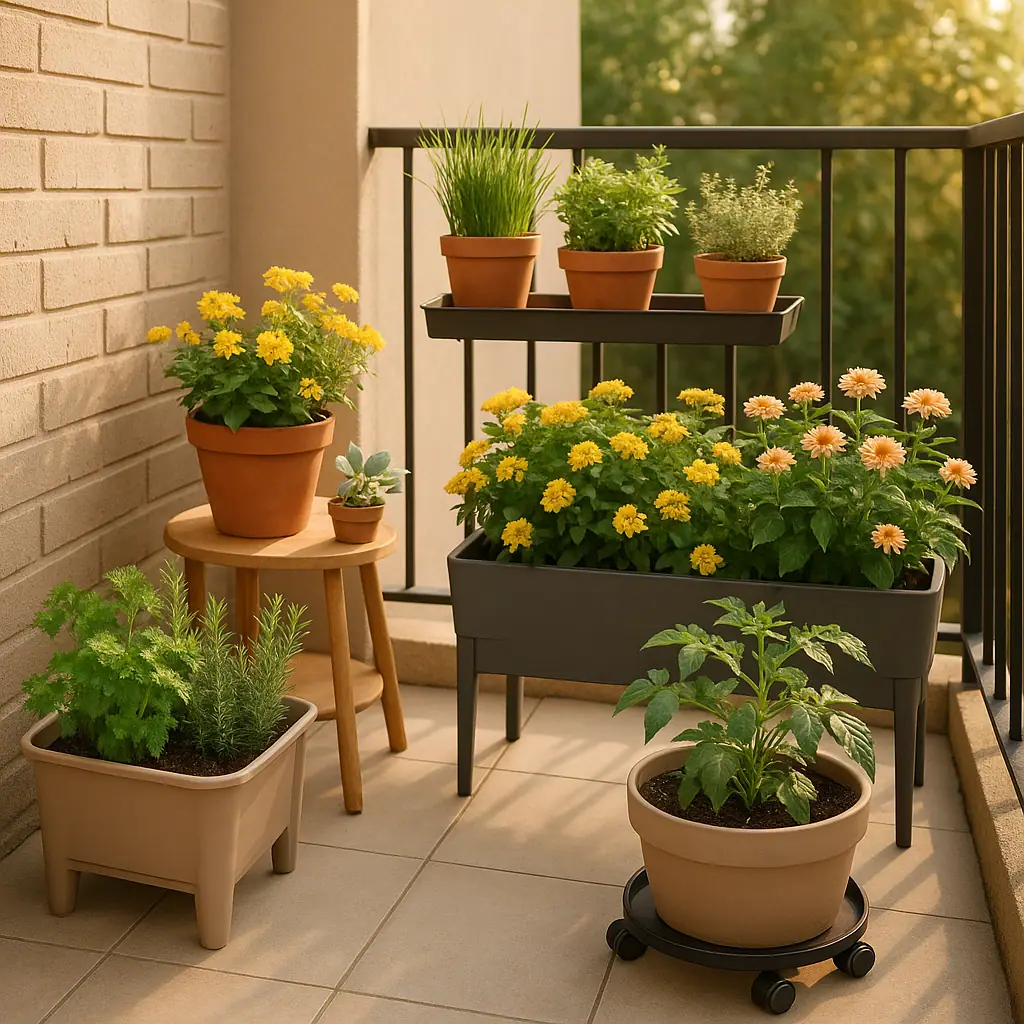
- Pick three starter containers: use one herb pot, one flower pot, and one larger container for a compact edible or anchor plant.
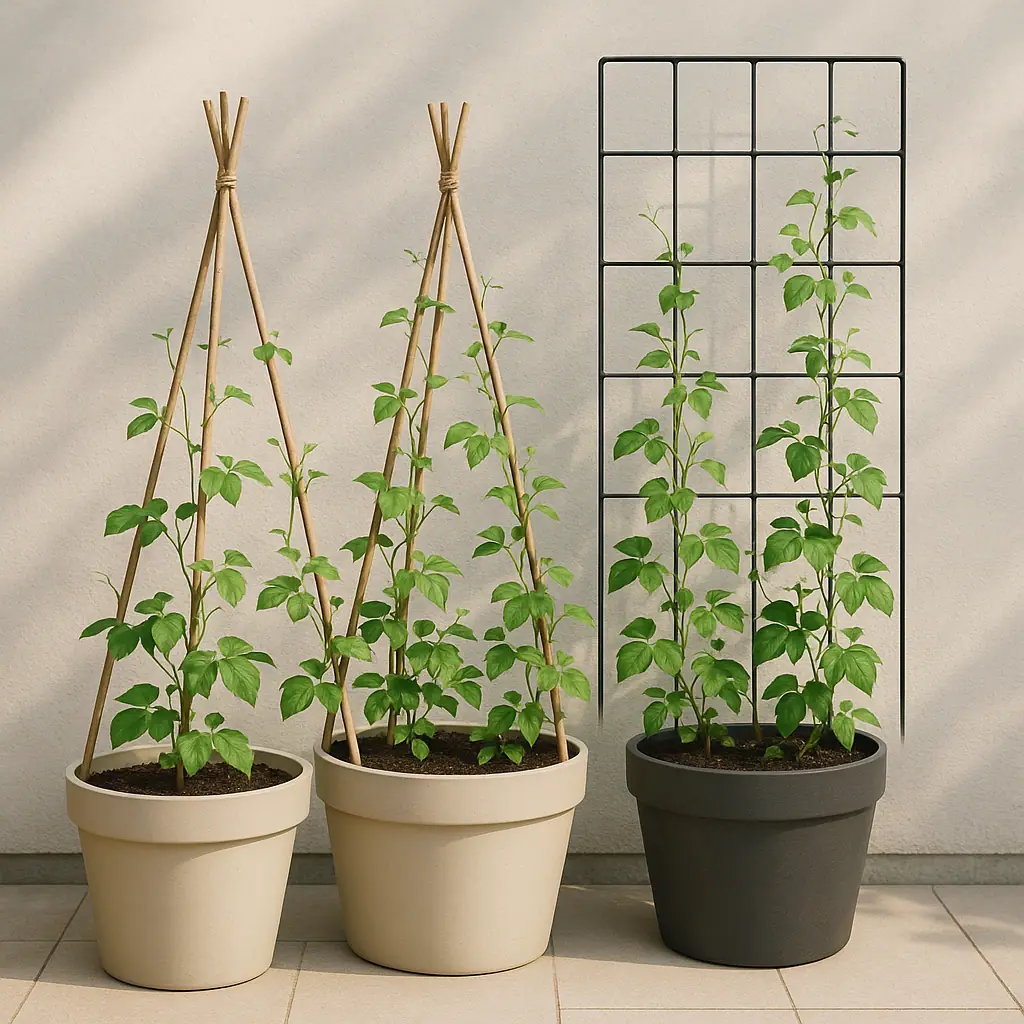
- Choose removable supports: use container stakes, tomato cages, or freestanding panels only when the pot is wide enough to stay stable.
- Plan drainage before planting: use pots with drainage holes, detachable saucers, and a watering routine that prevents overflow.
- Add surface protection: place pot feet, a washable tray, or a breathable outdoor mat where moisture or scratches could become a problem.
- Keep storage separate: do not stack soil bags, tools, and spare pots around the plants until you know the layout works.
- Test movement: move each container to its backup spot before it is fully planted and watered.
- Review after two weeks: simplify anything that is too heavy, too thirsty, too wobbly, or too awkward to water.
For a nearby layout decision, PatioSprout's guide to balcony garden ideas that are easy to move can help you decide which pieces should stay portable from the beginning.
Use double-potting when decorative containers lack drainage
If you love a decorative pot that has no drainage hole, treat it as an outer cover instead of the planted container. Put the plant in a plain nursery pot with drainage, set that pot inside the decorative one, and remove it for watering when needed.
Add height without attaching to the building
Freestanding height can come from a low shelf, a plant stand, a wide container with a modest trellis, or a compact obelisk. University of Minnesota Extension notes that if drainage holes are not possible in a container, one option is to plant in a separate pot and set it inside the container, then remove it to drain well before putting it back: gardening in the shade.
Pros and Cons of a No-Permanent-Changes Patio Garden
Renter-friendly
Freestanding containers and removable supports reduce the chance of creating holes, marks, or hard-to-reverse changes.
Easy to adjust
You can move plants when sun, wind, heat, seating, or seasonal needs change.
Good for beginners
A small reversible setup lets you learn your patio before committing to larger containers or dense planting.
Less built-in structure
Without permanent anchors, tall plants and privacy screens need more careful container choices and wind checks.
Needs regular reset time
Saucers, trays, plant stands, and movable pots still need cleaning and review so they do not create hidden problems.
Common Renter-Friendly Outdoor Upgrade Mistakes to Avoid
The main mistake is assuming that removable means harmless. A freestanding item can still be too heavy, too tall, too wet, or too difficult to move safely.
- Skipping rule checks: railing boxes, hanging baskets, privacy panels, and tall shelves may be restricted even if they do not require drilling.
- Using pots without drainage: sealed containers can lead to wet roots unless you use a removable liner pot and careful watering.
- Buying oversized ceramic pots: they look sturdy but may become nearly impossible to move once filled.
- Letting saucers overflow: detachable saucers help only when you empty them after watering or rain.
- Adding too many plants at once: crowding makes watering harder and hides surface issues under pots.
- Forgetting the exit plan: every item should be removable, cleanable, and realistic to carry or transport later.
A Simple Checklist
Use this checklist before calling the garden truly no-permanent-changes.
- Can I remove it? Each piece should come away without tools, scraping, or damage.
- Can I clean under it? Pots and stands should move enough to check the surface below.
- Can water drain safely? Roots need drainage, and neighbors or shared walkways should not receive overflow.
- Can I move around it? The layout should leave doors, seating, and walkways usable.
- Can it handle wind? Tall pieces should be reduced, widened, or removed if the patio is exposed.
- Can I explain it simply? If the setup needs complicated exceptions, it may be too much for the first version.
When to Get Extra Help
Ask your property manager, landlord, HOA, or building office before attaching anything to walls, railings, ceilings, shared privacy screens, or exterior surfaces. Also ask before placing very heavy containers on balconies, especially if the building rules do not clearly explain weight limits.
Ask a local extension office, nursery, or experienced gardener if you are unsure about plant choice, drainage, pet safety, invasive plants, or climate fit. Do not guess when the issue involves building rules, safety, edible plants, or plant health.
Frequently Asked Questions
What should I check first for renter-friendly outdoor upgrades?
Check rules, drainage, weight, and wind before buying anything. A small freestanding container setup is a safer first step than a tall shelf or attached planter.
How often should I review a no-permanent-changes patio garden?
Review it every two to four weeks during the growing season, and check sooner after heavy rain, strong wind, heat waves, or adding new containers.
What should I do if I am not sure a setup is allowed?
Pause and ask the building contact before installing it. If the answer is unclear, choose a smaller freestanding option that does not touch shared surfaces.
Can I undo these changes later?
Yes, if you choose removable pieces from the beginning. Pots, trays, caddies, small stands, and container-based supports can usually be cleaned, moved, stored, or taken with you.
Final Thoughts
Learning how to build a no-permanent-changes patio garden is mostly about starting with limits instead of fighting them. Use containers as the structure, keep the first layout small, protect the surface, manage water carefully, and choose supports that do not depend on the building.
Begin with three containers and one clear watering routine. After a few weeks, you will know whether to add height, expand the edible plants, simplify the layout, or keep the garden light and easy to reset.