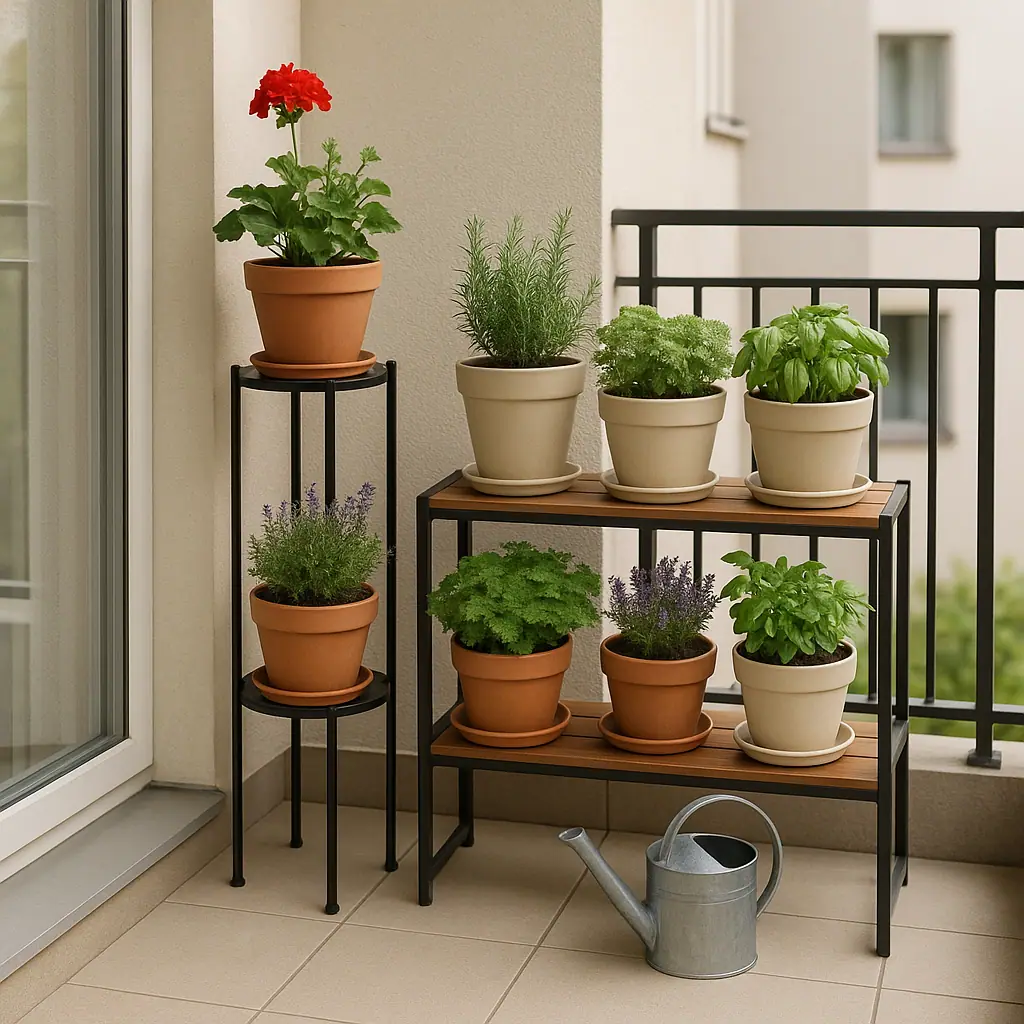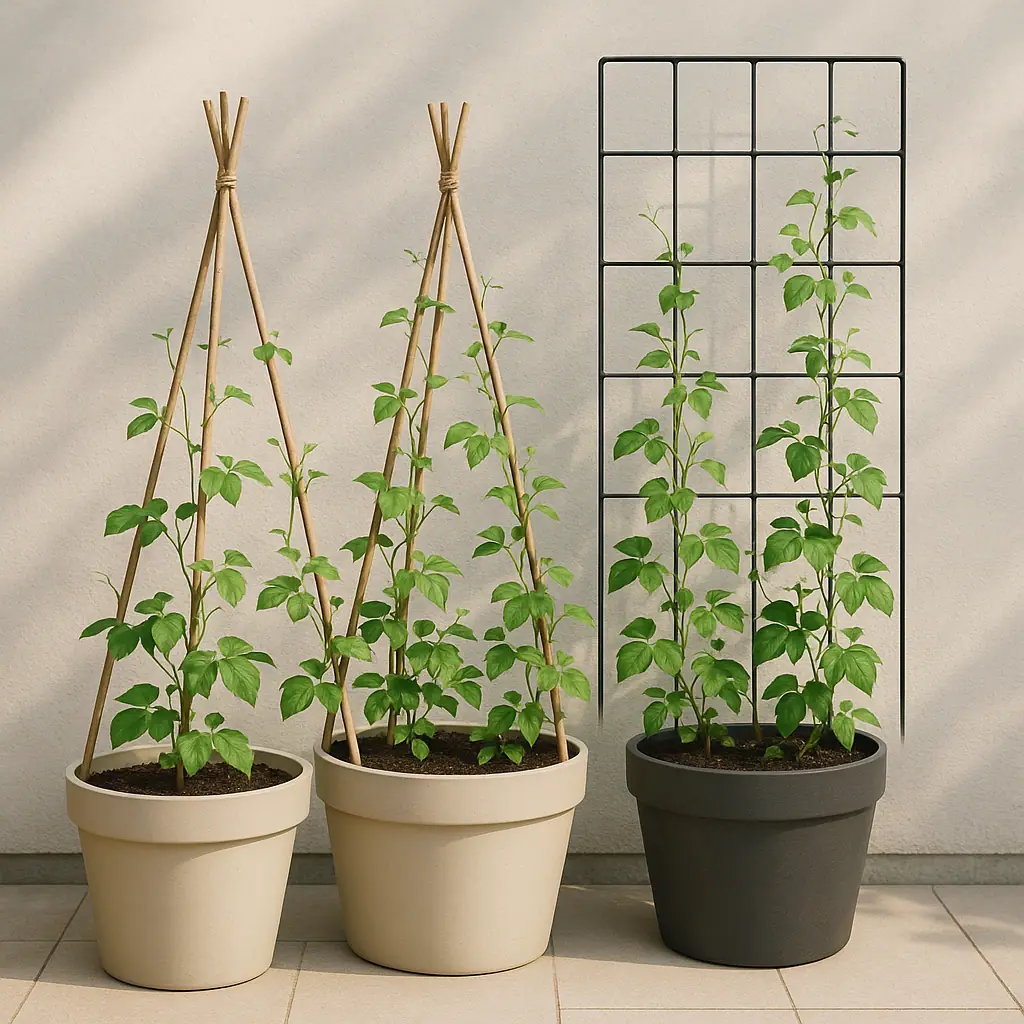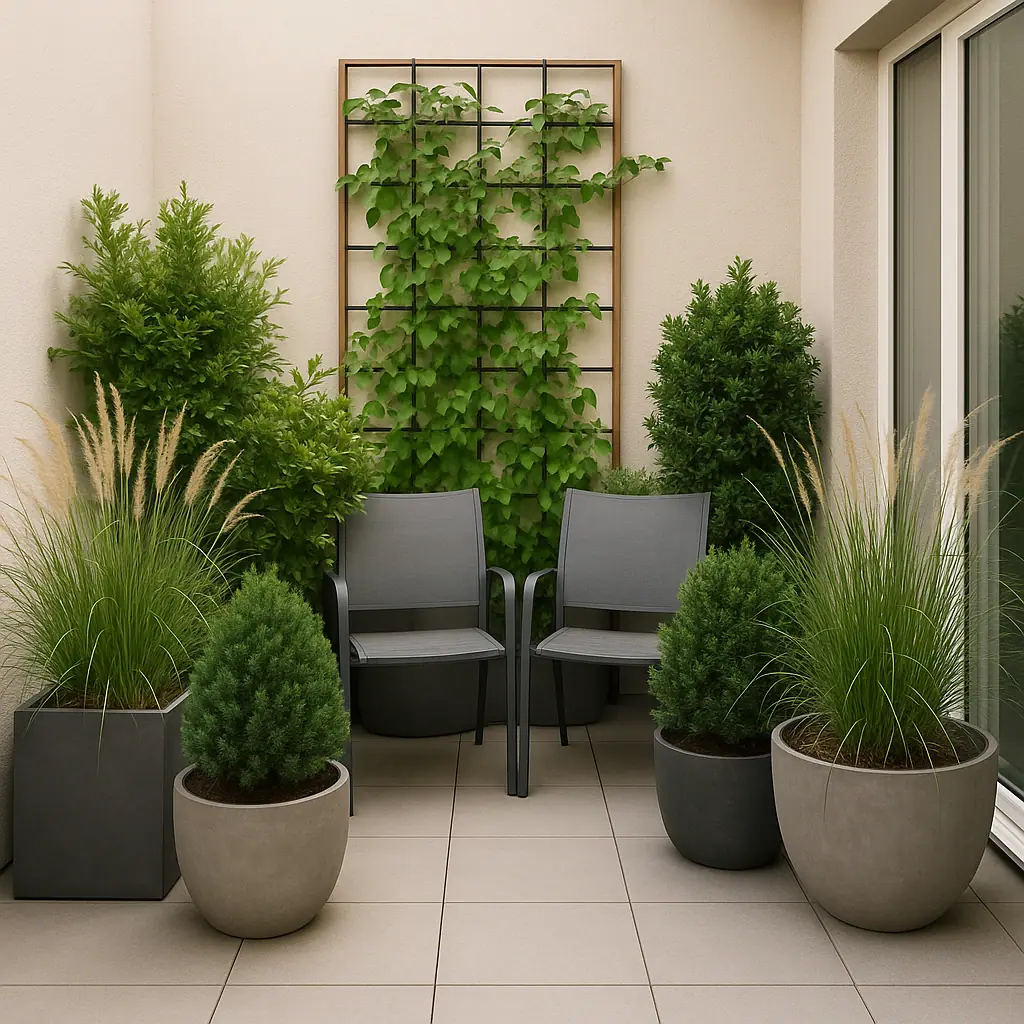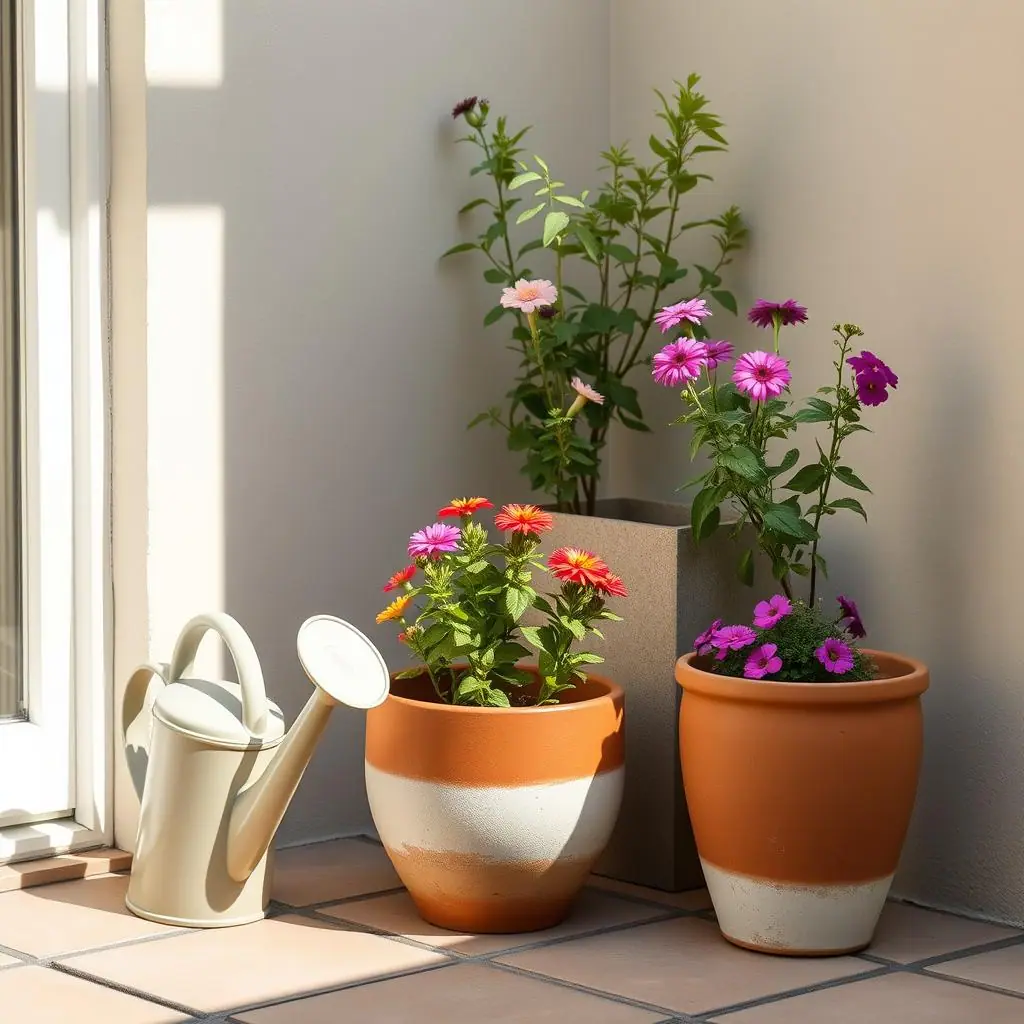
Heat-tolerant patio planters for summer are not just about picking plants with sunny tags. A small patio can hold heat, reflect light from walls or paving, and dry a container faster than a garden bed. The best summer planter is the one that matches your real heat, water access, pot size, and care rhythm.
For beginners, the safer plan is simple: choose fewer, sturdier containers, group plants with similar water needs, and build in shade or cooling tricks before the first heat wave. You can still have color, herbs, and a welcoming patio without turning every afternoon into a plant rescue.
Why Heat-Tolerant Patio Planters for Summer Matter
Summer containers live in a tougher microclimate than many new gardeners expect. Pots have less soil volume than garden beds, so roots heat up faster and dry out sooner. Patios can add reflected heat from concrete, brick, railings, and nearby walls.
Illinois Extension notes that dark-colored containers in full summer sun can become hot enough to damage roots and dry potting media very quickly: Illinois Extension guidance on container gardens. That does not mean you can never use a dark pot. It means you should place it carefully, shade the sides when possible, and avoid pairing a heat-absorbing container with a plant that already struggles in hot, dry conditions.
Start With the Summer Patio Conditions
Before buying plants, stand outside during the hottest part of the day and look at the space honestly. A patio that feels pleasant at breakfast may feel harsh at 3 p.m. That afternoon check tells you which planters need true heat tolerance and which areas might support softer plants.
Read heat, not just sunlight
Full sun and high heat often travel together, but they are not the same thing. A west-facing patio may receive fewer total hours of direct light than a south-facing one, yet feel hotter because the afternoon sun lands when surfaces are already warm. If you are still sorting out exposure, the PatioSprout guide to full sun vs part sun on a balcony can help you read the space before choosing plants.
Check water access before adding more pots
A heat-tolerant planter still needs water. If a container is tucked behind furniture, far from the hose, or too heavy to move, it becomes harder to care for during hot stretches. Put the most demanding summer containers where you can reach them easily.
Choose Plants That Handle Heat Better
Heat tolerance depends on your region, humidity, sun angle, and local weather. Still, some plant groups are better starting points for beginner summer containers because they are commonly grown for hot, bright conditions. Look for locally sold varieties of lantana, salvia, zinnia, portulaca, ornamental peppers, rosemary, thyme, lavender, or compact heat-loving annuals recommended for your area.
Penn State Extension maintains a heat and drought tolerant plant resource that is useful for checking candidates before buying: Penn State Extension heat and drought tolerant plants. Use lists like this as a starting point, then confirm the exact plant's mature size, light needs, and water preferences on the nursery tag or through a local extension office.
For a beginner patio, avoid mixing plants that want opposite care in the same pot. A rosemary plant that prefers faster drainage does not belong in the same small container as a flower that wilts unless the mix stays consistently moist.
- For blazing sun: choose plants labeled for full sun and heat tolerance, then start with one mixed container before filling the patio.
- For hot part sun: use plants that can take morning sun but have some afternoon protection.
- For edible pots: focus on herbs or compact vegetables that match both sun and container depth.
- For color: choose a few reliable summer annuals rather than many tiny novelty plants.
Pick Planters That Protect the Roots
The container itself can make summer care easier or harder. In hot weather, bigger pots usually buffer heat and moisture better than tiny ones. Light-colored pots often stay cooler than dark ones. Thick-walled containers can be more forgiving than thin, exposed plastic, but weight matters on balconies and upper patios.
If water management is your main concern, read PatioSprout's guide to self-watering planters before assuming they solve every summer problem. They can help some plants, but they are not ideal for every root system, rainy period, or low-water herb.
Simple planter defaults for summer
- Go one size larger than the bare minimum: more potting mix gives roots a wider moisture buffer.
- Use drainage holes: heat does not cancel the need for excess water to leave the pot.
- Favor lighter colors: pale containers or shaded pot sides reduce heat buildup.
- Group by care need: keep thirsty flowers together and drier herbs together.
- Leave room at the top: a small watering lip helps water soak in instead of rushing over the rim.
Water Summer Containers Without Guessing
In summer, the question is not simply how often to water. It is whether the potting mix is drying faster than the plant can recover. Small pots, windy balconies, hanging baskets, and containers against warm surfaces may need closer checks than larger patio tubs.
Illinois Extension advises that container soils are designed to drain well, so containers and planters should be checked daily during hot weather, with large plantings sometimes checked twice a day: Illinois Extension hot-weather watering guidance.
That does not mean every plant needs the same amount of water. Check moisture with your finger, water deeply when the mix is ready, and empty saucers when water sits long enough to create soggy conditions. If you want a more detailed rhythm, PatioSprout's guide to how often to water container plants in summer gives a practical starting point.
Pros and Cons of Heat-Tolerant Summer Planters
They keep the patio useful longer
Heat-aware plant and pot choices can hold up better through bright afternoons and dry stretches.
They reduce emergency watering
Larger, better-placed containers give roots more buffer than tiny pots scattered in full heat.
They make small layouts easier
A few strong containers can bring color and structure without crowding a balcony or compact patio.
Plant options still depend on region
A plant that performs well in one climate may struggle with different humidity, night temperatures, or local pests.
Heat tolerance is not neglect tolerance
Even tough summer plants need watering checks, drainage, and occasional cleanup in containers.
A Simple Summer Planter Checklist
Use this quick list before you buy or rearrange summer patio planters.
- Afternoon heat checked: you know which containers sit in the hottest part of the patio.
- Pot color checked: dark containers have shade, trailing plants, or a less intense location.
- Pot size checked: each plant has enough root room for summer watering to stay manageable.
- Drainage checked: every planting container drains and every saucer can be emptied.
- Plant match checked: plants in the same pot want similar sun and moisture.
- Water access checked: you can reach the planters without moving half the patio.
- Backup shade checked: you have a plan for movable shade, repositioning, or temporary protection during extreme heat.
Frequently Asked Questions
What should I check first for heat-tolerant patio planters?
Check the hottest afternoon location first. Once you know where heat builds, you can choose better pot colors, larger containers, and plants that match the actual exposure.
Are succulents always the best summer patio choice?
Not always. Some succulents dislike humid conditions, poor drainage, or sudden intense sun. Match the exact plant to your climate, container, and watering habits.
Can I use a black planter in summer?
Yes, but place it thoughtfully. In full sun, dark containers can heat quickly, so consider afternoon shade, a larger pot, trailing plants that shade the sides, or a lighter outer cachepot.
How often should I review summer patio planters?
Check them daily during hot stretches and do a deeper review once a week. Look for dry mix, scorched leaves, blocked drainage, leaning stems, and plants outgrowing the container.
Final Thoughts
Heat-tolerant patio planters for summer work best when you plan the whole container, not just the plant. Choose plants that fit local heat, use pots that protect roots, keep drainage open, and make watering easy enough to repeat.
Start with two or three strong containers in the hottest part of your patio. Watch them for a week, adjust shade or watering as needed, and expand only after the routine feels manageable. A calm summer planter is built through small checks, not one perfect shopping trip.