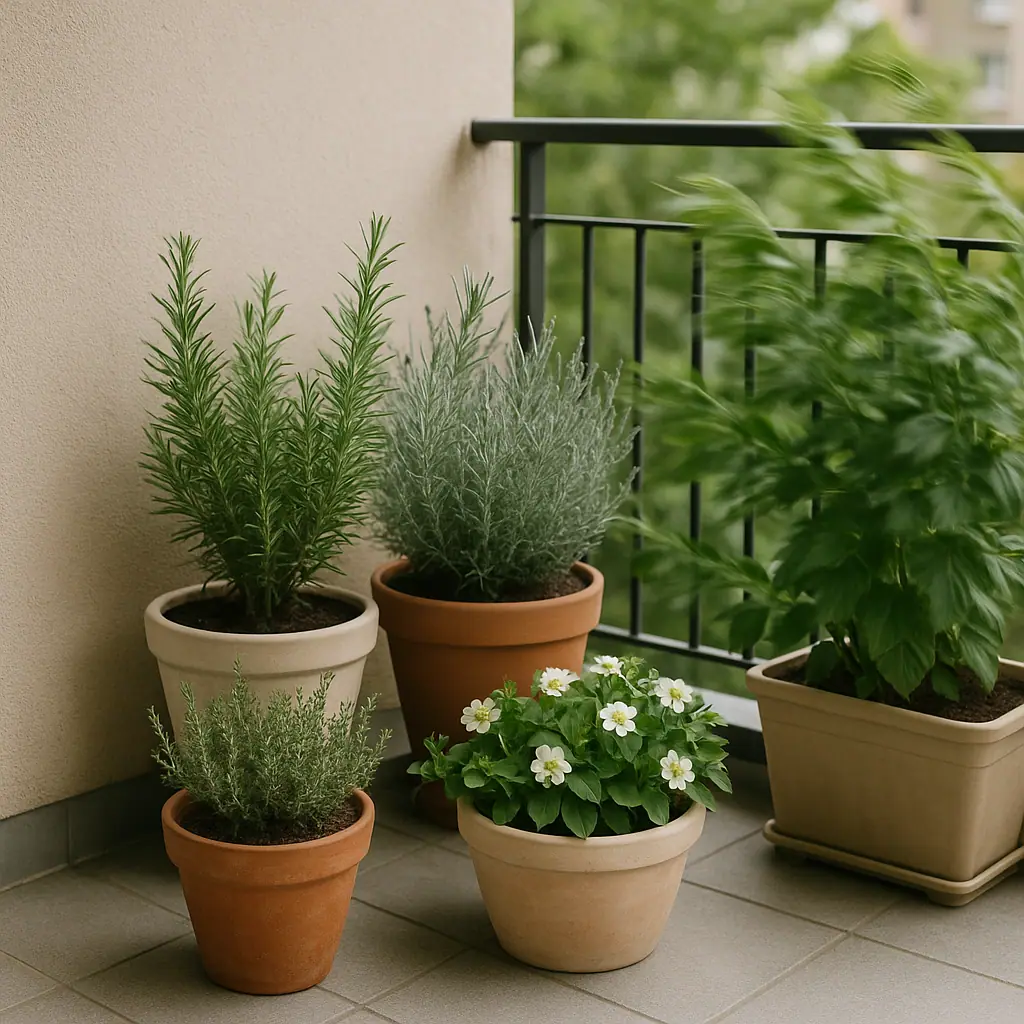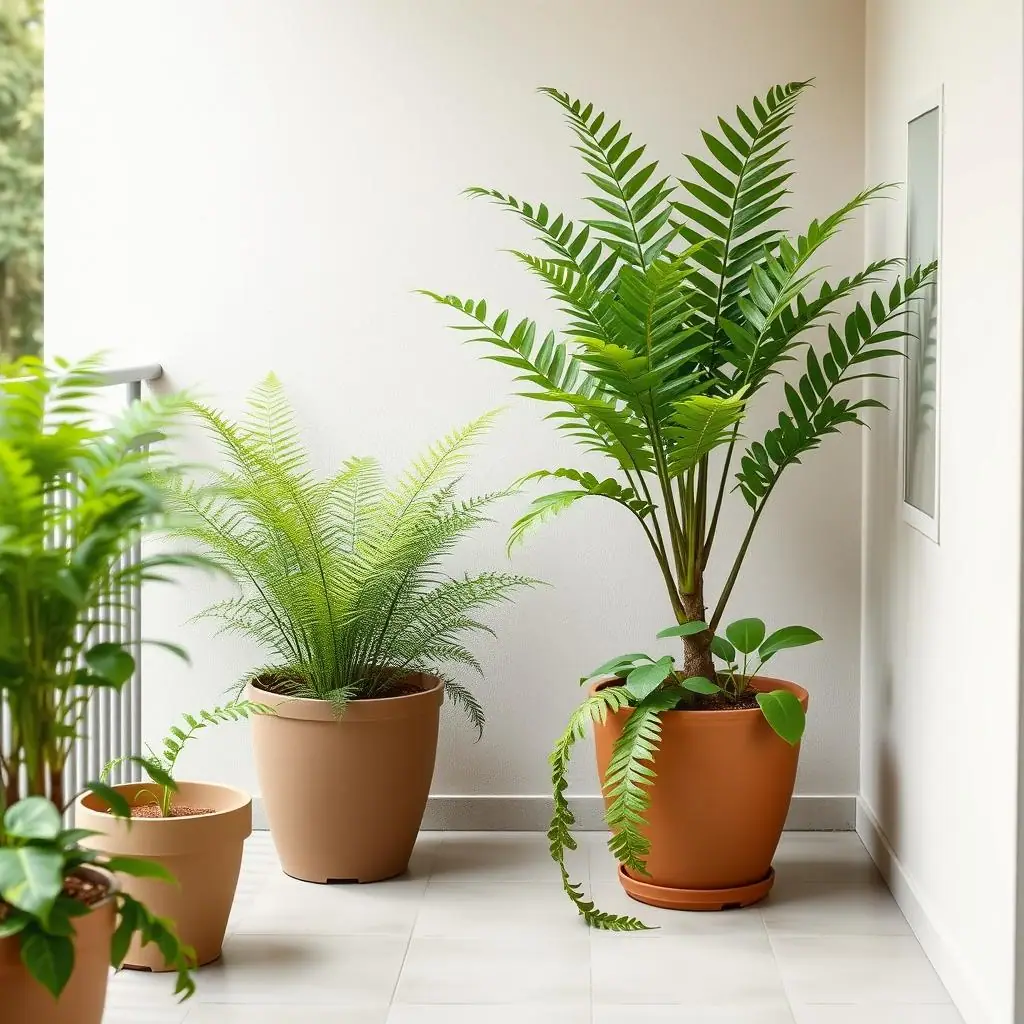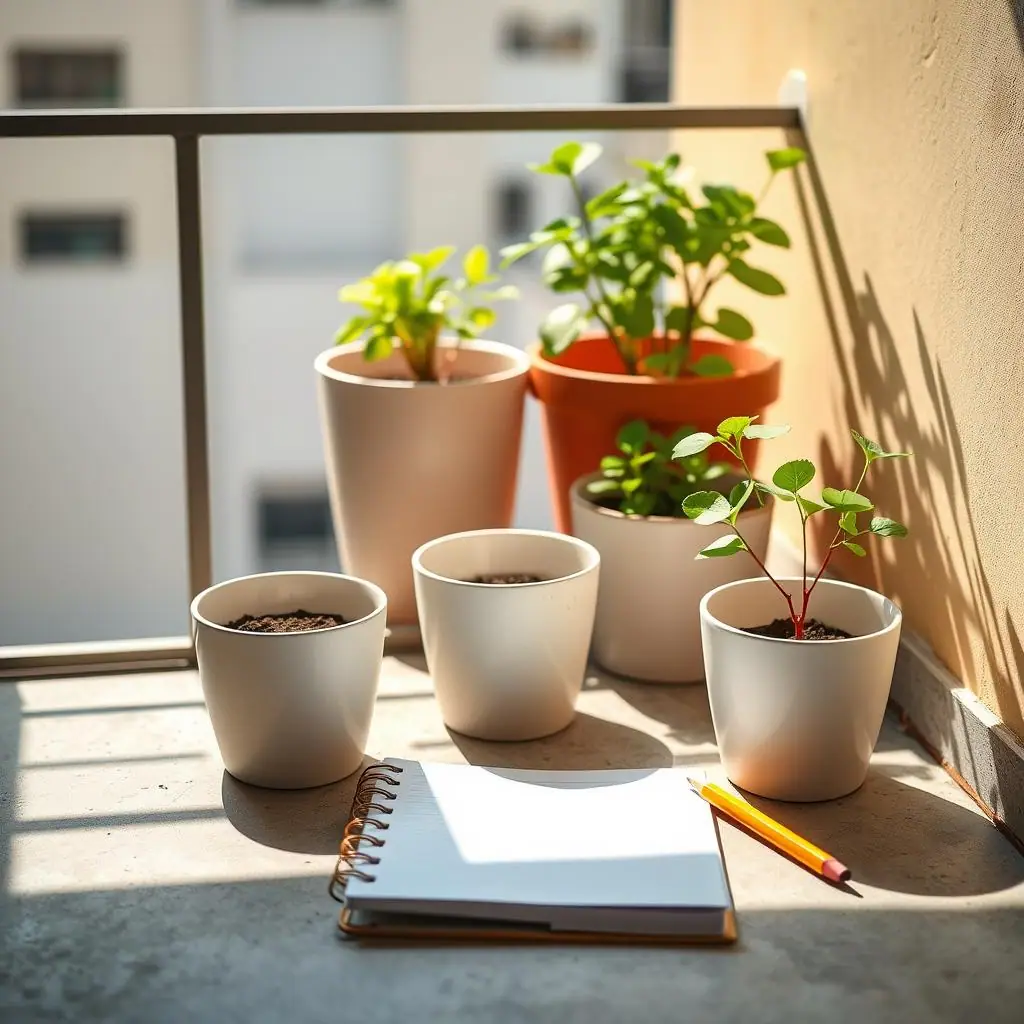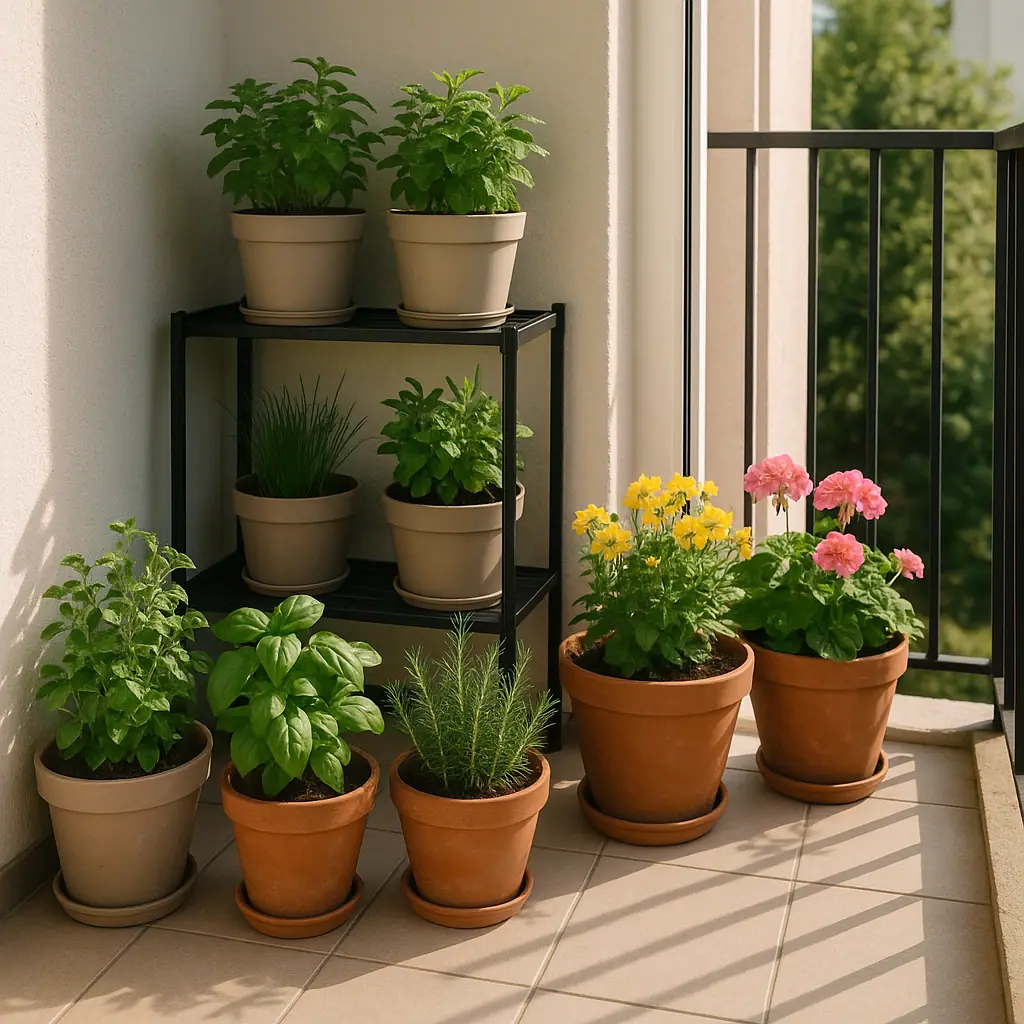
Full sun vs part sun on a balcony can feel confusing because plant labels sound simple, but balcony light is rarely simple. A small outdoor space may have bright morning light, a hot afternoon corner, rail shadows, overhang shade, reflected heat from walls, and a door area that looks sunny only for a short part of the day.
The good news is that you do not need a perfect garden plan before buying plants. You need a clear way to observe your balcony, sort the space into practical light zones, and choose containers that can move if your first placement is not quite right.
Why Full Sun vs Part Sun on a Balcony Matters
Plants use light to grow, flower, fruit, and recover from stress. Too little light can make herbs stretch, flowering plants bloom less, and edible containers grow slowly. Too much direct afternoon sun can dry small pots quickly, scorch tender leaves, and turn a pleasant balcony into a heat trap.
Penn State Extension gives a useful baseline: full sun means six or more hours of direct sunlight per day, while partial sun means between four and six hours of sun a day: Planting in Sun or Shade.
Start With Balcony Light, Water, and Microclimates
A balcony is a tiny microclimate. It can be warmer, windier, brighter, or drier than the garden beds you see at ground level. Railings, nearby buildings, glass doors, white walls, dark flooring, and overhead balconies all change how plants experience light and water.
If you are still setting up the basic garden, PatioSprout's guide to planning a container garden before buying plants can help you map space, access, and plant goals before you spend money.
Full sun usually means the sunniest working zone
On a balcony, full sun is usually the open edge, the rail-side corner, or the spot that receives direct light for most of the middle part of the day. This area can suit sun-loving herbs and flowers, but it also needs reliable watering and containers that do not overheat quickly.
Part sun often means a useful middle zone
Part sun is not a failed full-sun spot. It is often the best beginner zone because many containers get enough direct light to grow without drying out as aggressively. Morning sun with afternoon shade is especially helpful for tender herbs, leafy greens, and plants that struggle in intense heat.
What to Check First for Full Sun vs Part Sun on a Balcony
Before deciding that a plant belongs in full sun or part sun, observe the balcony for a few days. One quick glance at noon can mislead you, especially if a building shadow moves across the space later.
- Direct sun hours: write down when sunlight directly hits each spot, not just when the balcony looks bright.
- Time of day: morning sun is usually gentler, while afternoon sun often brings more heat and faster drying.
- Reflected heat: pale walls, glass doors, metal railings, and concrete can increase stress even when the hour count looks reasonable.
- Wind exposure: wind dries pots faster and can make full-sun plants wilt sooner than expected.
- Container size: small pots heat and dry faster than larger containers, so the same plant may behave differently in each one.
- Seasonal shift: the sun angle changes through the year, so a spring part-sun corner may become hotter in summer.
For container sizing, the earlier PatioSprout guide to best pot sizes for herbs, flowers, and small vegetables can help you avoid tiny pots that dry out too fast in bright balcony light.
How to Map Balcony Sun Step by Step
Use this simple method before buying a full tray of plants. It takes a little observation, but it can prevent mismatched plant choices.
- Pick a normal day: choose a day without heavy storms or unusual smoke, fog, or shade from temporary objects.
- Mark three zones: divide the balcony into rail edge, wall side, and protected corner, or use whatever zones match your layout.
- Check every two hours: look at each zone from morning through early evening and note whether direct sun is hitting the floor or container spot.
- Count direct hours: add the total direct sun time for each zone and label it full sun, part sun, part shade, or shade.
- Note heat clues: record which pots feel hot, which area dries first, and where leaves wilt fastest.
- Start movable: use containers you can shift for the first few weeks while you learn the balcony.
- Review after watering: a sunny spot that needs water twice as often may require a bigger pot, mulch, or a more heat-tolerant plant.
Use plant tags as starting points, not promises
A plant tag cannot know your railing height, floor material, regional climate, or wind exposure. Treat the tag as a starting match, then adjust based on what the plant shows you after one or two weeks.
Watch the plant, not only the chart
Slow growth, stretching, pale leaves, and weak flowering can suggest too little light. Crispy edges, repeated wilting, and soil that dries extremely fast can suggest too much heat, too small a pot, or inconsistent watering.
Pros and Cons of Full Sun and Part Sun Balcony Spots
Full sun supports productive plants
Many herbs, flowers, and compact edibles perform better with strong direct light when water and pot size are managed well.
Part sun is beginner-friendly
Moderate direct light can reduce heat stress and give new gardeners more time to notice watering problems.
Mapping creates better choices
Once you know your light zones, you can place plants by need instead of guessing from photos or store displays.
Full sun can dry pots fast
Small containers in direct afternoon sun may need larger pots, closer watering checks, or tougher plant choices.
Part sun can be overestimated
Bright reflected light is not the same as direct sun, so counting actual direct hours still matters.
Common Balcony Light Mistakes to Avoid
The most common mistake is choosing plants from a wish list before learning the balcony. A beautiful plant can still be the wrong fit if the light, heat, wind, and pot size do not support it.
- Counting brightness as direct sun: a bright shaded balcony may still be too dim for many flowering or edible plants.
- Ignoring afternoon heat: late-day sun can be harder on containers than the same number of morning sun hours.
- Using tiny pots in full sun: small soil volume dries quickly and leaves little buffer during heat waves.
- Putting all plants in one row: taller pots can shade smaller ones, especially near railings.
- Buying too many full-sun plants first: start with a few containers until you know how quickly the balcony dries.
- Forgetting seasonal changes: repeat your light check when the season changes or nearby trees leaf out.
A Simple Balcony Sun Checklist
Use this checklist when deciding whether a plant belongs in full sun or part sun.
- Does the spot get six or more hours of direct sun? Treat it as full sun, then check heat and watering needs.
- Does the spot get four to six hours of direct sun? Treat it as part sun and notice whether those hours are morning or afternoon.
- Does the plant wilt every sunny afternoon? Try a larger pot, more consistent watering, or a slightly less intense position.
- Does the plant stretch toward the light? Move it gradually to a brighter location if the plant type allows it.
- Can the container move? Movable pots make beginner corrections much easier.
- Is the plant safe for the household? Verify pet safety, edible use, and local plant guidance before planting.
When to Get Extra Help
Ask a local extension office, nursery, or experienced container gardener if a plant repeatedly struggles even after you adjust light and watering. Regional climate matters, and a plant that behaves well on one balcony may need protection on another.
Get extra guidance before growing edible plants in very hot, windy, or heavily shaded spaces. It is also worth checking local rules before placing containers on railings, ledges, shared walkways, or surfaces where drainage could affect neighbors below.
Frequently Asked Questions
What should I check first when comparing full sun vs part sun on a balcony?
Check direct sun hours first, then note when those hours happen. A part-sun spot with gentle morning light may be easier for beginners than a hotter afternoon location.
How often should I review balcony light?
Review it at the start of each season and again after moving furniture, adding plant stands, or noticing that pots dry much faster than before.
What should I do if I am not sure a plant has enough sun?
Start with a movable container and observe the plant for one to two weeks. If growth stretches, flowering slows, or leaves lean strongly toward light, try a brighter position.
Can I move a plant from part sun to full sun later?
Often yes, but move it gradually when possible. Sudden full afternoon sun can stress leaves, especially on tender herbs, young plants, and small containers.
Final Thoughts
Full sun vs part sun on a balcony is less about memorizing labels and more about learning your small outdoor space. Count direct sun hours, notice heat and wind, choose containers with enough soil volume, and start with plants you can move while you learn.
Begin with one full-sun candidate and one part-sun candidate instead of filling the whole balcony at once. After two weeks of observation, your plants will tell you which zone is working and which one needs a small adjustment.