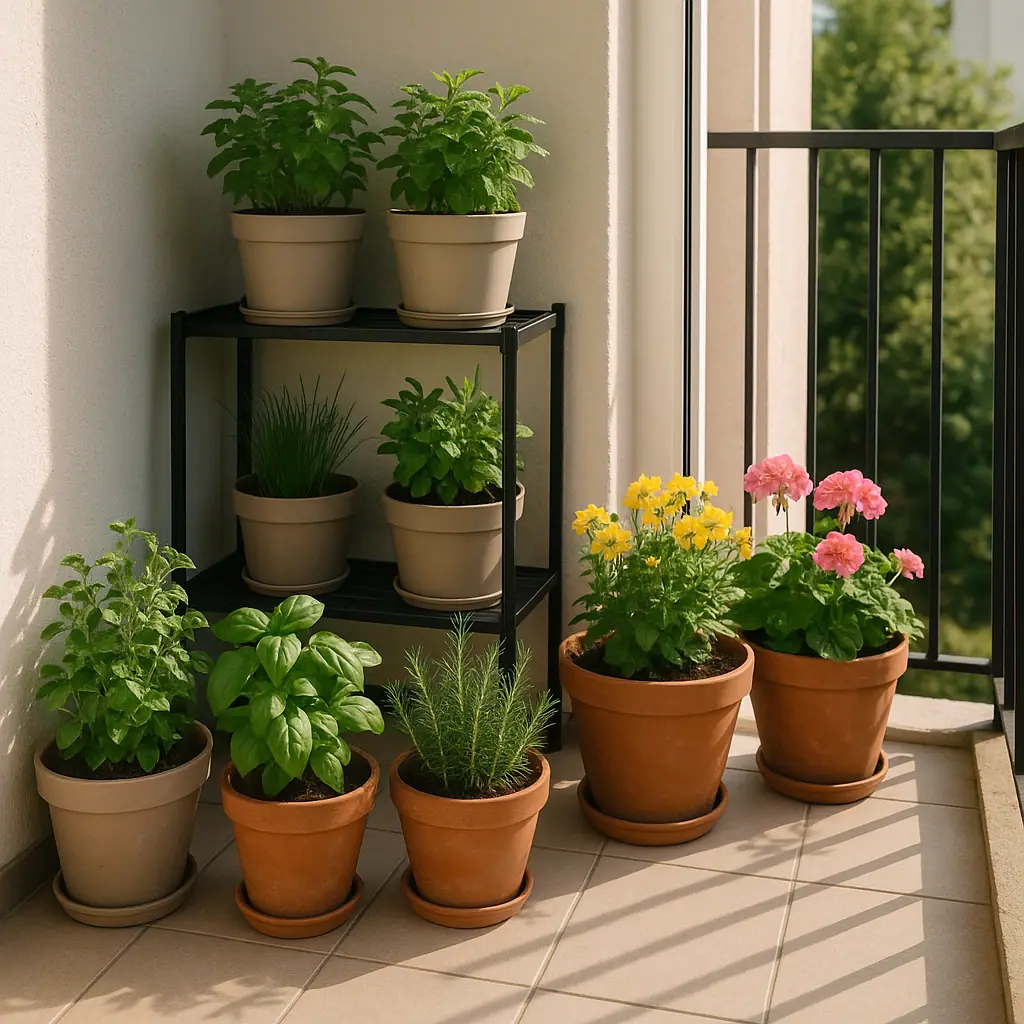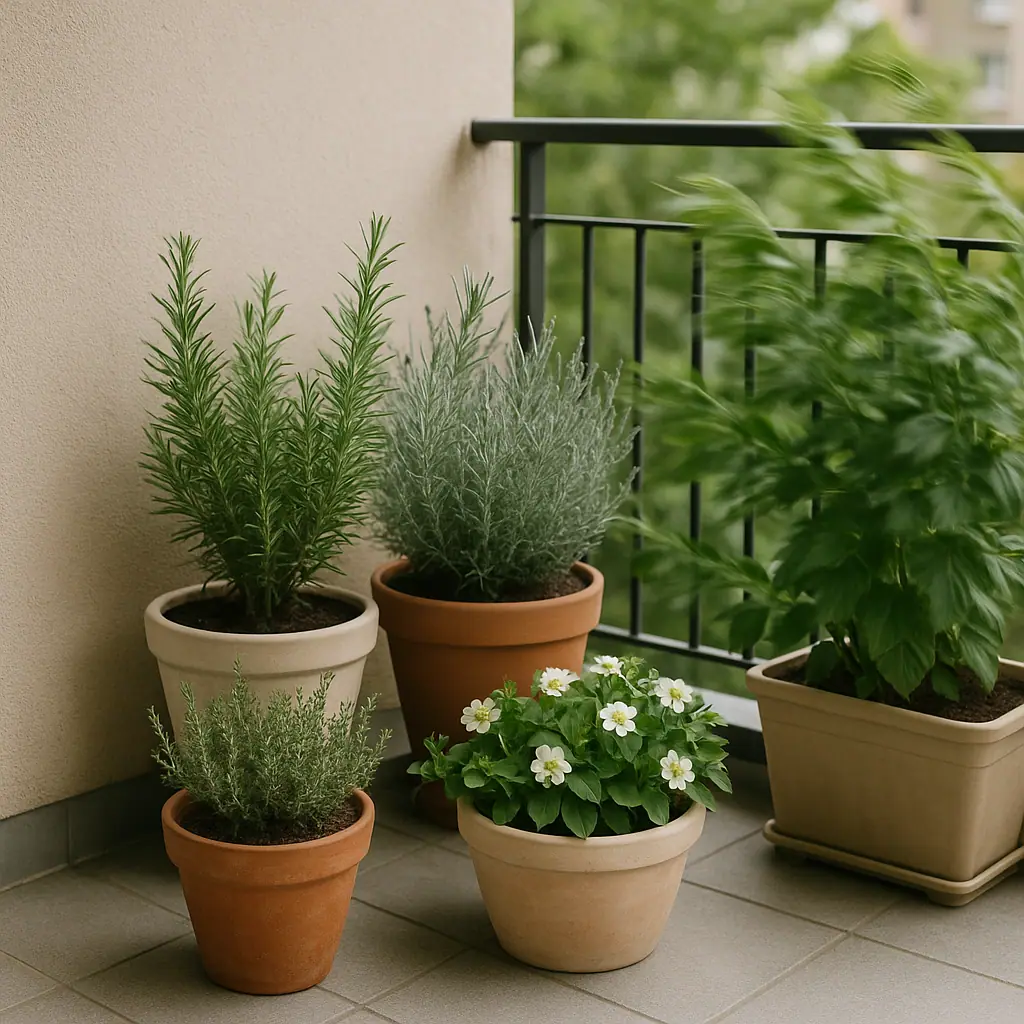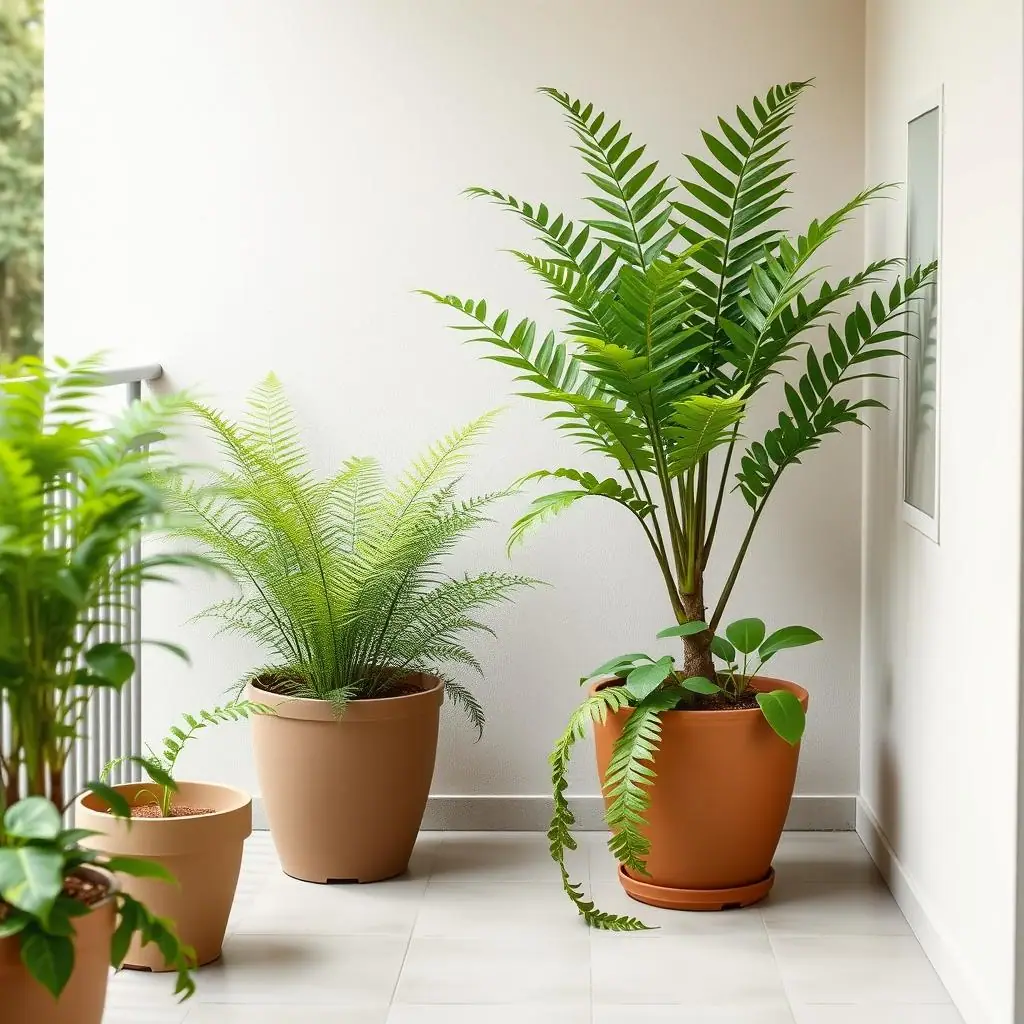
The best shade-loving container plants for small spaces are not just the plants with the prettiest tags. They are plants that can handle your actual light, fit the container you can safely manage, and stay healthy with a watering routine you can repeat. A small balcony, covered patio, or narrow side yard can grow more than you might expect, but shade needs a different plan than a sunny herb pot.
Start by treating shade as a set of conditions, not a failure. Some spaces get bright shade all day. Others get two hours of morning sun, reflected light from a wall, or a dark corner that stays cool and damp. Once you know which kind of shade you have, choosing shade-loving container plants becomes much easier.
Why Shade-Loving Container Plants Matter in Small Spaces
Small outdoor spaces often have shade from roofs, railings, neighboring buildings, fences, trees, or privacy screens. That shade can protect plants from harsh afternoon heat, but it can also slow growth and keep potting mix damp for longer. The right plant choice helps you avoid the two most common beginner frustrations: weak plants that wanted more sun and soggy pots that never dry evenly.
University of Minnesota Extension notes that shade containers can add structure and interest, and that gardeners can mix annuals, perennials, bulbs, and even some edibles in shaded garden beds and containers: gardening in the shade.
Start With Light, Water, and Microclimates
Before buying plants, watch the space for one normal day. Note when direct sun arrives, when it leaves, and whether the area is bright enough to read comfortably without turning on a light. Shade on a patio can still be bright, especially near pale walls or open sky. It can also be deep and cool under stairs, awnings, or dense tree cover.
If you are unsure how to label your exposure, PatioSprout's guide to full sun vs part sun on a balcony can help you separate direct sun, part sun, bright shade, and reflected heat before you shop.
Bright shade is the easiest starting point
Bright shade gives you the widest range of choices. Begonias, coleus, caladiums, ferns, heuchera, impatiens, and many leafy combinations can look full and colorful without long hours of direct sun. In a very dark corner, focus on foliage texture and be honest that flowering may be limited.
Shade changes watering, too
A shaded pot may dry more slowly than a sunny one, but it can still dry out in wind or warm weather. Small containers have limited soil volume. Large leafy plants also pull moisture from the mix as they grow. Check the root zone instead of assuming shade always means wet soil.
Best Shade-Loving Container Plants for Small Spaces
For a beginner, the best shade-loving container plants are reliable, easy to read, and not too large for the pot. Use this list as a starting menu, then check local availability, climate suitability, and pet safety before planting.
- Begonias: good for bright shade and covered patios, with flowers or bold foliage depending on type.
- Coleus: grown mostly for colorful leaves; pinch lightly if it gets stretched or uneven.
- Caladiums: useful for bold leaf color in warm weather, especially where flowers struggle.
- Ferns: strong texture for cool, protected shade; many prefer steady moisture and shelter from drying wind.
- Heuchera: compact foliage plant with many leaf colors; works well as a steady anchor in mixed pots.
- Impatiens: a classic choice for shade color, best where airflow and watering are consistent.
- Wishbone flower: a small flowering option for part shade and bright shade containers.
- Parsley or mint: possible edible choices for part shade, though mint should usually stay in its own pot.
University of Illinois Extension suggests several plants for more shaded container plantings, including blue mistflower, cinnamon fern, gray's sedge, little alumroot, Pennsylvania sedge, and foam flower: container gardens for pollinator resources in any space.
Those native plant ideas may not fit every region or every balcony, but they show an important principle: shade containers do not have to be limited to one generic houseplant look. Foliage, texture, and local plant choices can make a small shaded corner feel intentional.
How to Choose a Pot for Shade-Loving Plants
The pot matters as much as the plant. In shade, a container that is too large for a small starter plant can stay wet for too long. A tiny pot can dry quickly and restrict roots. Choose a container that gives roots room while still letting you check moisture easily.
For general sizing, PatioSprout's guide to best pot sizes for herbs, flowers, and small vegetables explains how container depth and width affect plant growth in small spaces.
Use drainage holes every time
Shade does not remove the need for drainage. A decorative cachepot without holes can trap water around the nursery pot, especially after rain. If you use an outer decorative pot, lift the inner pot after watering and empty standing water before roots sit in it too long.
Match the mix to the plant
Use potting mix made for containers, not heavy garden soil. Ferns and moisture-loving shade plants may appreciate steadier moisture, while some foliage plants dislike being constantly wet. When in doubt, keep the mix evenly moist but not swampy, and adjust after watching the plant for a week.
Pros and Cons of Shade Containers
Gentler afternoon conditions
Shade can reduce heat stress for plants that scorch or wilt in direct afternoon sun.
Strong foliage options
Begonias, coleus, ferns, heuchera, and caladiums can create color and texture without relying only on flowers.
Useful for covered patios
Shade-tolerant containers can make roofed balconies, entry corners, and side patios feel more alive.
Flowering may be lighter
Some plants bloom less in deep shade, so foliage texture often has to carry the design.
Wet soil can linger
Cool shade and oversized pots can keep roots too damp if drainage and watering are not checked.
Common Mistakes With Shade-Loving Container Plants
Most shade container problems start with assumptions. A tag that says shade tolerant does not mean the plant wants a dark closet. A covered patio still has wind, temperature swings, and watering needs. A pretty pot still needs drainage.
- Buying sun plants for a shade corner: many herbs, vegetables, and flowers need more direct light than a covered patio provides.
- Ignoring deep shade: if the space is dim all day, choose foliage-first plants and expect slower growth.
- Overwatering by habit: shaded pots may not need the same watering schedule as sunny containers.
- Mixing plants with different moisture needs: a fern and a drought-tolerant plant may not enjoy the same pot.
- Choosing only tiny pots: small containers limit roots and give you less buffer during warm spells.
- Skipping local checks: plant hardiness, invasive concerns, and pet safety vary, so verify before committing.
University of Minnesota Extension also warns that maintaining even moisture is challenging for container plants and that container size and material affect watering frequency: fertilizing and watering container plants.
A Simple Shade Container Checklist
Use this checklist before you bring plants home.
- Light: did you watch the patio long enough to know whether it gets bright shade, part sun, or deep shade?
- Drainage: does the pot have drainage holes, and can excess water escape?
- Plant size: will the mature plant still fit the space without blocking doors, walkways, or railings?
- Watering match: do the plants in the same pot prefer similar moisture?
- Wind shelter: are delicate leaves protected from the strongest balcony gusts?
- Local fit: have you checked climate, hardiness, pet safety, and local guidance for the plant?
When to Get Extra Help
Ask a local extension office, reputable nursery, or master gardener program if a shaded container keeps failing even after you adjust watering and light. Local advice matters because shade plants that thrive in one region may struggle in another climate, especially through summer heat or winter exposure.
Get extra guidance before planting anything invasive, toxic to pets, or intended as food. Container gardening is flexible, but beginner-friendly does not mean every plant is safe in every household or region.
Frequently Asked Questions
What should I check first before buying shade-loving container plants?
Check the actual light. Watch the space for a day and note whether it gets morning sun, bright shade, filtered light, or deep shade. Plant choice depends on that first.
How often should I review a shade container?
Review it weekly at first, then whenever weather changes. Check leaf color, soil moisture, drainage, and whether the plant is stretching toward brighter light.
What should I do if I am not sure a plant can handle my patio?
Buy one small test plant or ask a local nursery or extension office before filling every pot. Testing one container is less risky than replacing a whole setup.
Can I move shade-loving container plants later?
Usually yes. Move containers gradually when possible, especially from shade into brighter light. Sudden afternoon sun can scorch leaves that were grown in protected shade.
Final Thoughts
The best shade-loving container plants for small spaces are the ones that match your real patio conditions. Begonias, coleus, caladiums, ferns, heuchera, impatiens, and some locally appropriate native plants can all work, but only when the light, pot, moisture, and mature size make sense together.
Start with one container in the easiest bright-shade spot. Watch it for a week, adjust watering slowly, and let that first pot teach you what your small space can support before you expand.