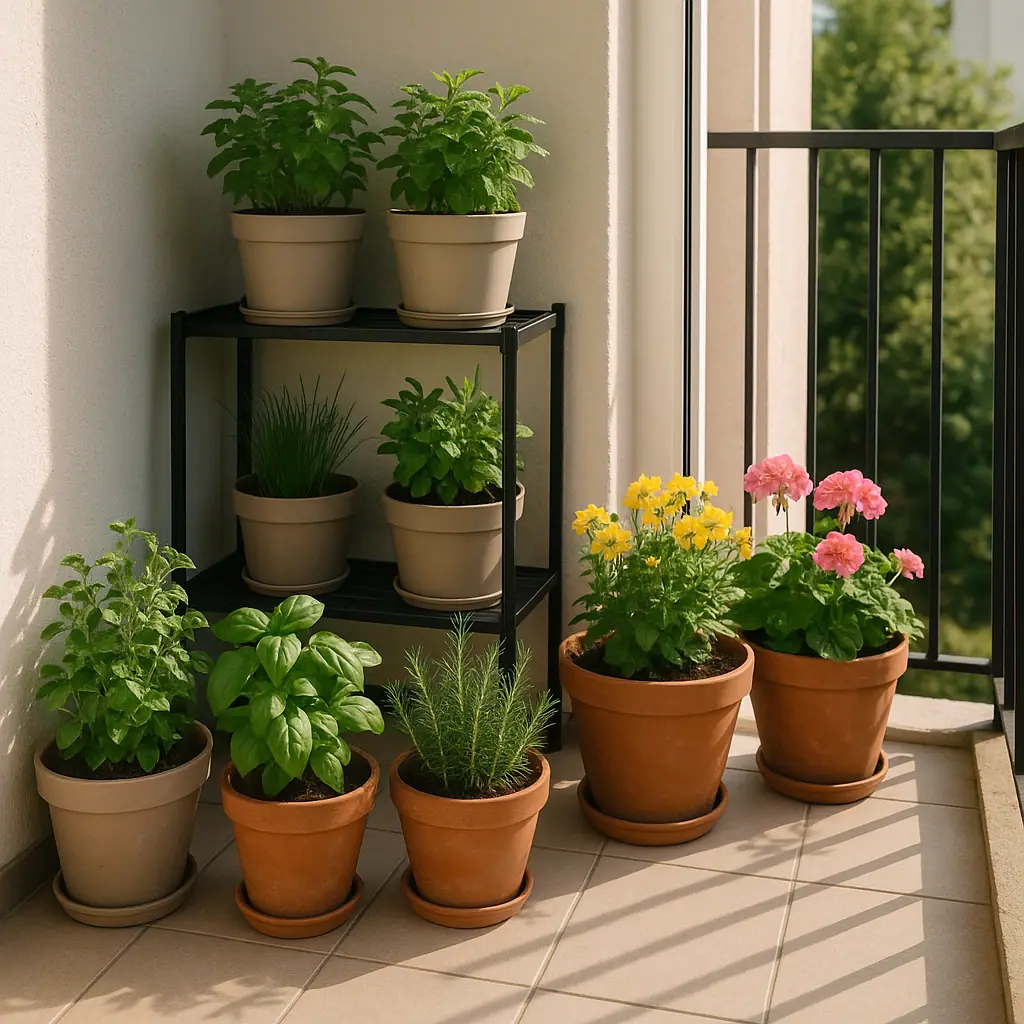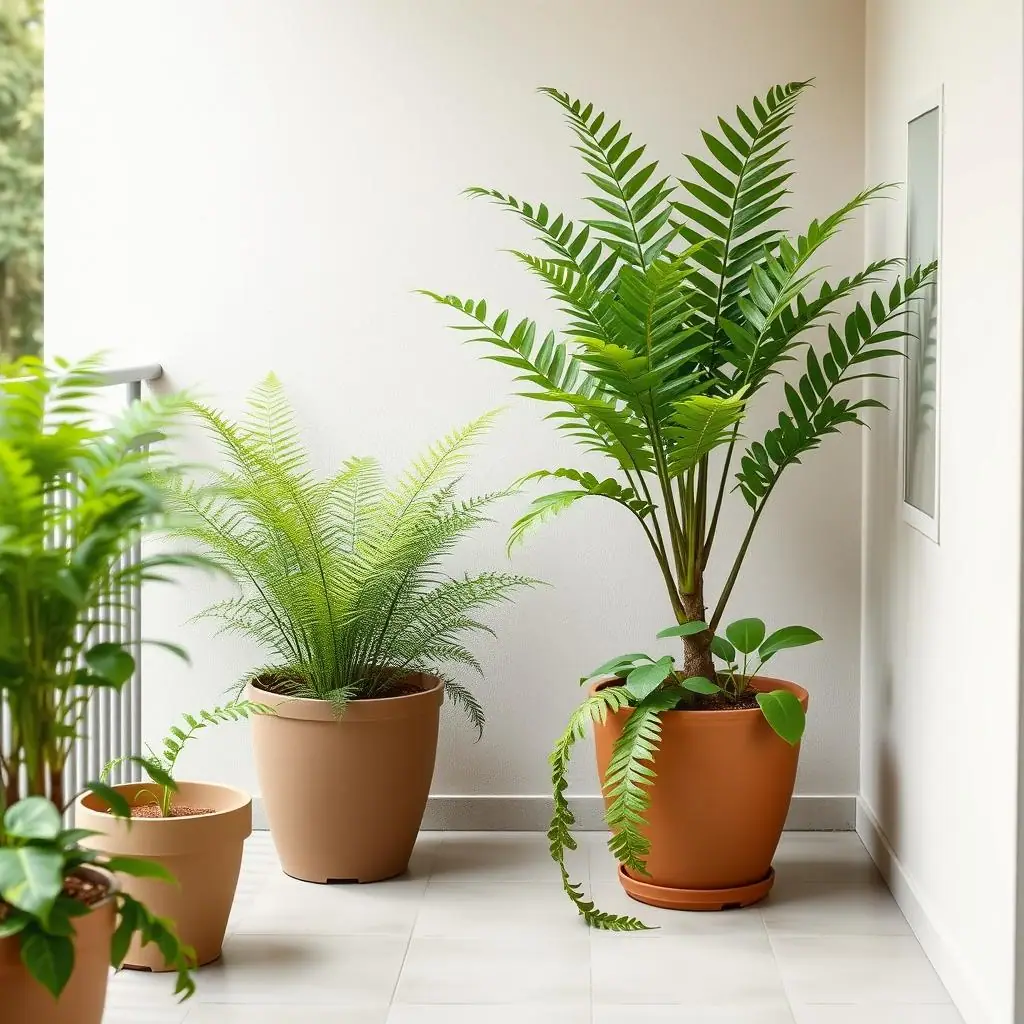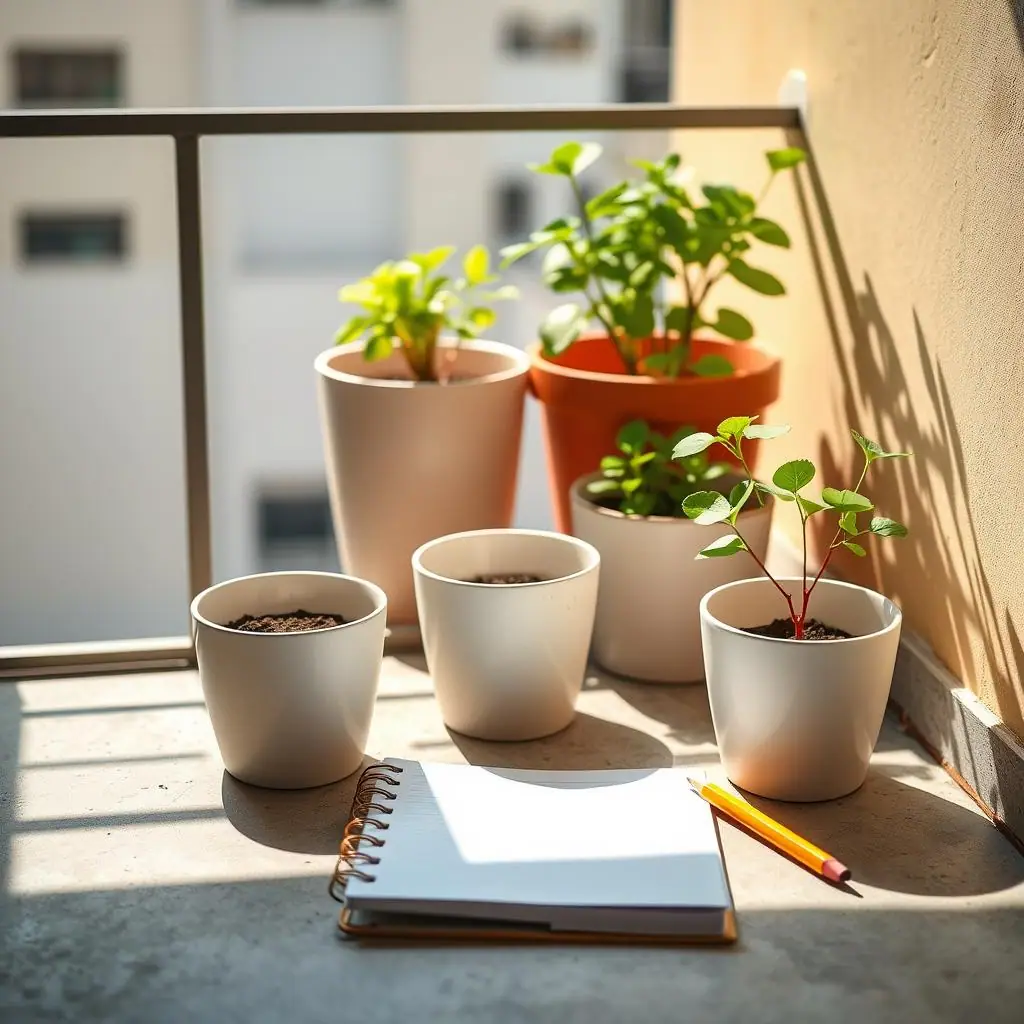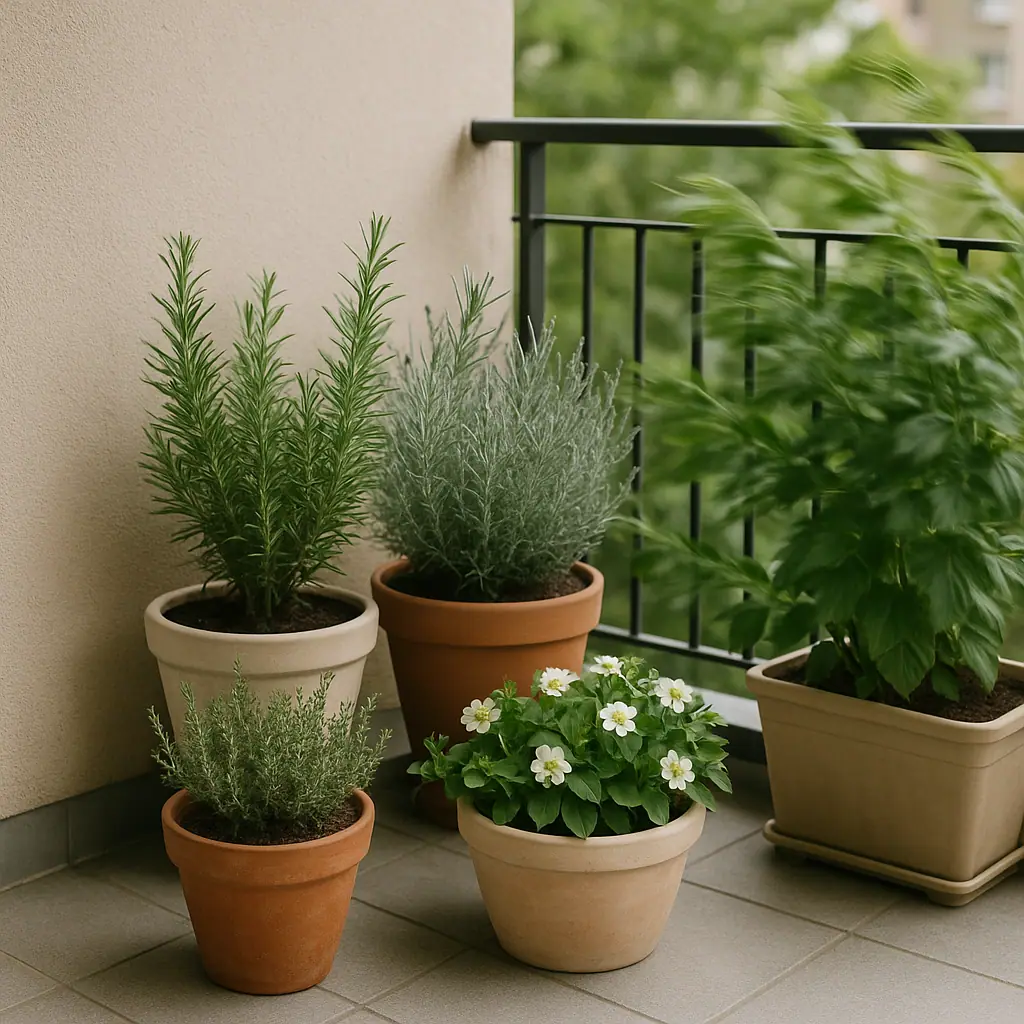
Windy balcony plant care for beginners starts with one honest observation: a balcony is not just a small garden. It can act like a wind tunnel, a heat reflector, and a drying rack for potting mix all at once. A plant that looks healthy at the nursery may struggle once it sits near a high railing, an open corner, or a gap between buildings.
The good news is that windy balcony plants do not require a complicated setup. You need heavier, steadier containers, protected placement, a few tougher plant choices, and a watering routine that respects how quickly wind can dry small pots. Start with a few containers you can move, then let the balcony show you where plants stay calmest.
Why Windy Balcony Plants Need Different Care
Wind affects container gardens in two main ways. First, it can physically move plants, bend stems, tip light pots, and dry leaf edges. Second, it can pull moisture from the potting mix faster than a sheltered patio would. That means the plant may look thirsty even when the problem is actually exposure, pot size, or placement.
Illinois Extension notes that hanging containers need more frequent watering because winds and reflected heat cause plants to dry out faster: container material choices. That same idea applies to railing planters, exposed shelves, and lightweight pots near a balcony edge.
Start With Light, Water, and Microclimates
A windy balcony is a microclimate. One corner may be breezy all day, while the floor behind a chair, storage bench, or group of larger pots feels calmer. Reflected heat from walls and pavement can make that wind even more drying, especially during warm afternoons.
If you are still learning your balcony's sun pattern, the PatioSprout guide to full sun vs part sun on a balcony can help you separate light exposure from heat and wind exposure before you choose final plant positions.
Find the calmest working zone
Walk onto the balcony on a breezy day and notice where air moves hardest. Rail edges, outside corners, and gaps between buildings often feel stronger than the wall side of the balcony. Your first containers usually belong in the calmer zone, not the most dramatic display spot.
Watch for drying clues
Windy balcony plants often need more frequent checks than sheltered plants. Look for potting mix pulling from the container edge, leaves that crisp at the tips, small pots that feel light by afternoon, and stems that lean in one direction after repeated gusts.
What to Check First for Windy Balcony Plant Care
Before buying wind screens, specialty planters, or a long list of plants, check the basics. The most useful beginner fixes are usually simple and local to the pot.
- Pot weight: a wider, heavier container is usually more stable than a narrow, lightweight pot.
- Drainage holes: every outdoor container needs a way for excess water to leave the root zone.
- Plant height: tall, top-heavy plants catch wind more easily than compact plants.
- Leaf texture: tough, small, narrow, or flexible leaves usually handle wind better than soft, broad leaves.
- Placement: floor-level groups often cope better than high, isolated pots.
- Rules and safety: check lease, building, and railing rules before hanging anything over an edge.
For drainage, Illinois Extension is direct: a hole at the bottom of a container is critical because it lets water drain freely so air remains available around roots: container drainage options.
How to Handle Windy Balcony Plant Care Step by Step
Use this routine before filling the whole balcony. It gives you a low-risk way to test the space and protect plants from the most common wind problems.
- Start with three pots: choose a small test group instead of buying a full balcony of plants at once.
- Choose stable containers: use wider pots with enough weight at the base. Avoid tall, narrow containers in the windiest spots.
- Group pots together: place containers close enough to reduce exposure, while still leaving room for air movement and watering.
- Keep delicate plants lower: put tender herbs, young seedlings, and soft flowering plants closer to the floor or wall side.
- Check soil daily at first: wind can dry pots quickly, so use your finger or pot weight before watering.
- Stake tall herbs early: support plants before stems lean, snap, or pull loose in the pot.
- Move one thing at a time: if a plant struggles, adjust placement, pot size, or watering separately so you can see what helped.
Use plant labels as a starting point
Plant labels mention light and water, but they cannot know your building height, railing gaps, reflected heat, or regional weather. Treat the label as a starting match, then adjust after one or two weeks of watching the plant.
Protect tall herbs from gusts
Some herbs are useful in containers but need a little help in exposed spots. University of Minnesota Extension recommends choosing a location protected from high winds for dill because its tall, hollow stalks can blow over if they are not staked: growing dill in home gardens.
Pros and Cons of Gardening on a Windy Balcony
Air movement can reduce still, damp pockets
A breezy balcony may dry foliage faster after light splashes or rain, which can be helpful when containers are not crowded.
Compact plants often work well
Low herbs, sturdy annuals, and compact flowers can suit a balcony once pot stability and watering are handled.
Movable pots make correction easier
Unlike an in-ground bed, a balcony garden can be adjusted by shifting containers into calmer zones.
Light pots can tip or slide
Narrow containers, empty saucers, and isolated railing planters may move when gusts hit the balcony.
Watering needs can change fast
Wind, sun, and reflected heat can make a pot dry much faster than the same plant in a sheltered yard.
Common Windy Balcony Mistakes to Avoid
Most beginner mistakes come from treating a windy balcony like a flat garden bed. The space is smaller, harder on containers, and more affected by building rules and neighbor safety.
- Hanging pots before checking rules: never assume railing hooks, window boxes, or overhead hangers are allowed or safe.
- Using tiny pots for thirsty plants: small soil volume gives roots less moisture backup during hot, breezy weather.
- Choosing tall plants first: start with compact growth habits before trying tomatoes, tall dill, or top-heavy flowers.
- Blocking all airflow: a solid barrier can sometimes create turbulence around the sides. Test small changes before making a permanent setup.
- Watering by calendar only: windy balcony plants need soil checks, not just a fixed weekly schedule.
- Ignoring pot movement: if a container shifts or rocks, fix that before the plant becomes stressed.
If pot size is part of the problem, PatioSprout's guide to best pot sizes for herbs, flowers, and small vegetables can help you choose containers with a better moisture buffer.
A Simple Windy Balcony Checklist
Use this checklist when you are deciding whether a plant is ready for an exposed balcony spot.
- Is the pot wider than it is tall? That shape is usually steadier than a tall, narrow container.
- Does the container drain? Outdoor pots need drainage so roots are not trapped in stagnant water.
- Can the plant bend without snapping? Flexible stems often cope better than brittle, top-heavy growth.
- Is the plant close to a calm zone? Wall-side, floor-level, or grouped containers are often safer starting positions.
- Can you water without dripping below? Use saucers carefully and empty excess water after drainage.
- Can the setup move safely? If a pot slides on a breezy day, add weight, change location, or choose a different container.
When to Get Extra Help
Ask your building manager, landlord, or homeowners association before attaching planters to railings, hanging anything over a shared area, or adding screens that change the balcony exterior. A plant setup that is pretty but unsafe is not worth the risk.
For plant-specific trouble, ask a local extension office, nursery, or experienced container gardener if leaves keep crisping, stems keep breaking, or soil dries out within hours. Local wind, heat, humidity, and plant choice can change the right answer.
Frequently Asked Questions
What should I check first for windy balcony plants?
Check pot stability first. If the container tips, slides, or rocks, fix the pot and placement before worrying about fertilizer or specialty products.
How often should I water plants on a windy balcony?
Check the soil daily at first, especially in warm weather. Water when the root zone is dry enough to need it, and expect small exposed pots to dry faster than sheltered ones.
Which plants are easier for a windy balcony beginner?
Start with compact, sturdy plants in stable pots. Many herbs with smaller leaves, tough annuals, and low flowers are easier to manage than tall, soft, top-heavy plants.
Can I move a struggling balcony plant later?
Usually yes. Move one plant to a calmer spot, watch it for a week, and adjust watering only after you know whether the new location helped.
Final Thoughts
Windy balcony plant care for beginners is mostly about stability, placement, and observation. Choose steady containers, start with compact plants, group pots in calmer zones, and check soil moisture more often while you learn the space.
Begin with one small test group instead of a full balcony makeover. After a week of watching how wind moves through the space, you will know which corner dries first, which pot stays steady, and which plant deserves the next spot.