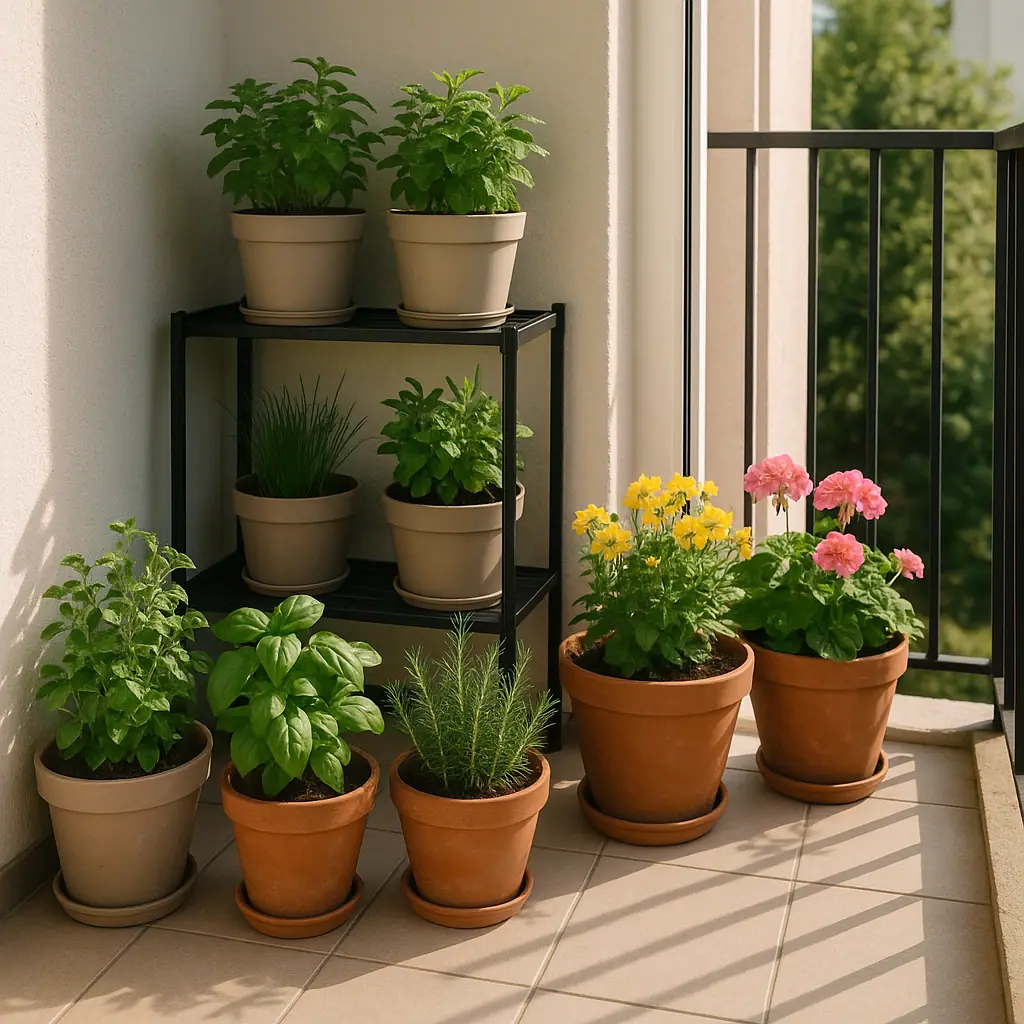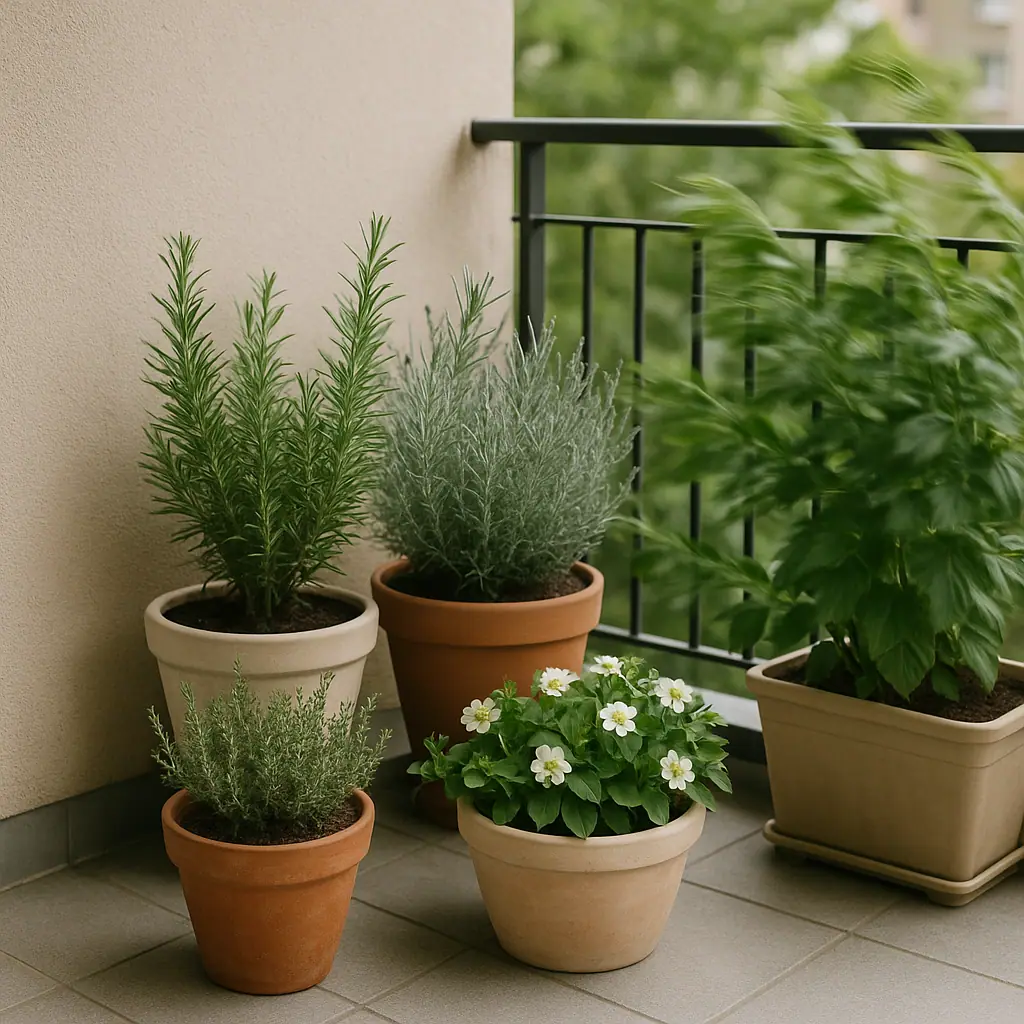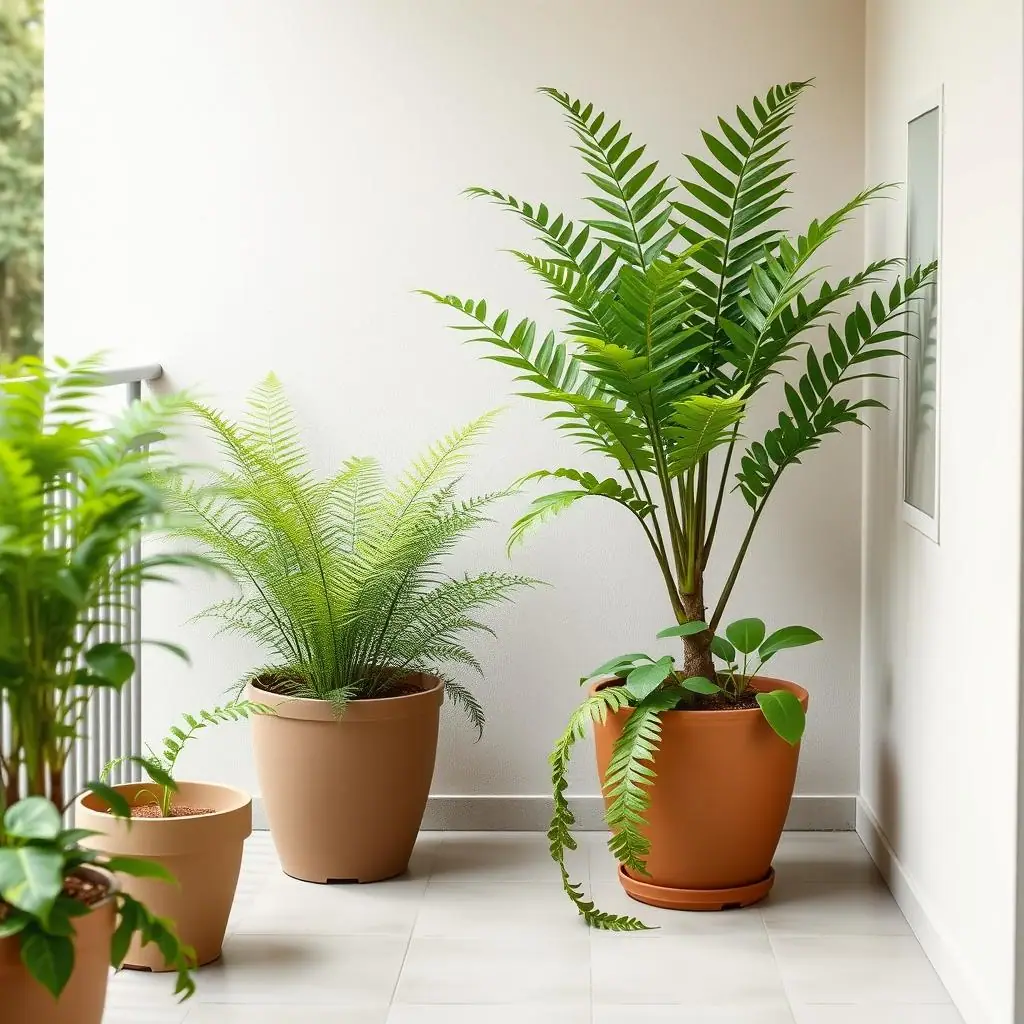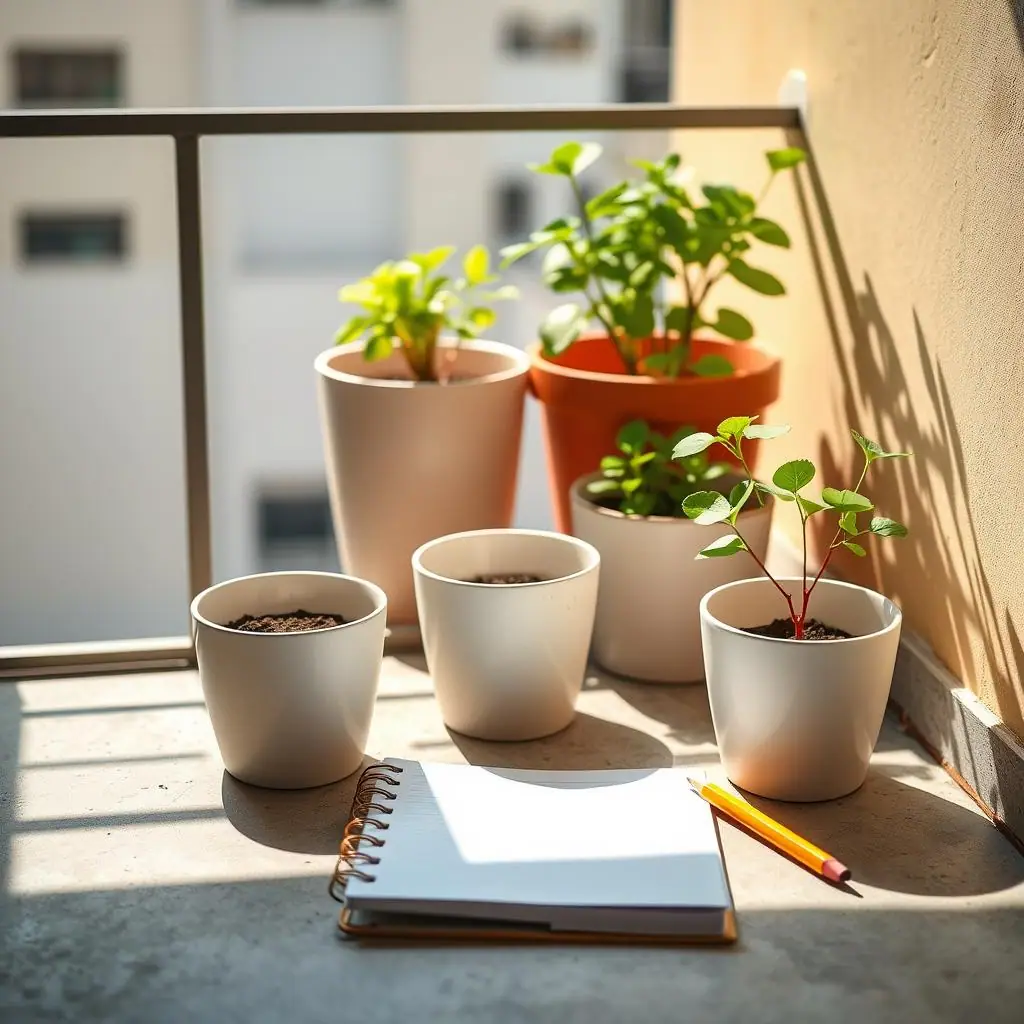
Learning how to read sunlight on a small patio before planting is one of the easiest ways to avoid buying the wrong plants. A balcony can look bright when you step outside for five minutes, but the useful question is how much direct sun actually reaches the container area over a normal day.
Small patios are tricky because railings, privacy screens, roof overhangs, neighboring buildings, trees, and reflected heat can all change the light. The same corner may be cool and shaded at breakfast, bright for two hours at midday, and hot against a wall in late afternoon. Before you choose herbs, flowers, vegetables, or foliage plants, spend one day reading the space.
Why Reading Sunlight Matters Before Planting
Plant tags often use simple labels like full sun, part sun, part shade, or shade. Those labels are helpful, but only if you know what your patio actually gives. Guessing can lead to weak herbs, scorched leaves, stretched flowers, or pots that stay damp because the plant is not growing strongly enough to use water.
Penn State Extension explains common light categories for planting areas, including full sun, full shade, partial sun, and partial shade: planting in sun or shade. Treat those categories as a starting language, then translate them into your own patio conditions.
Start With the Real Patio, Not the Plant List
It is tempting to begin with a wish list: basil, tomatoes, lavender, petunias, mint, lettuce, ferns, or a neat row of colorful planters. Start with the patio instead. Light is the constraint that decides which plants have a fair chance.
If you are still learning the difference between full sun, part sun, and bright shade, PatioSprout's guide to full sun vs part sun on a balcony gives a beginner-friendly breakdown before you start measuring.
Choose the exact planting spots
Pick the real places where containers might sit. Do not measure the whole patio as one zone unless every pot will receive the same light. A corner near the wall, a railing box, a plant stand, and a floor pot near the door can all have different conditions.
Watch for blocked and reflected light
Small outdoor spaces often have short windows of direct sun. A balcony rail may block the lower half of a plant. A white wall may add reflected brightness. A dark brick wall may hold heat even after the sun moves away. Those details matter more in containers because roots have less soil buffer.
How to Read Sunlight on a Small Patio Step by Step
You do not need special equipment to read sunlight on a small patio before planting. A phone alarm, a notebook, and one honest day of checking can tell you enough to choose better plants.
- Mark your possible pot zones: choose two to four spots where containers could safely sit without blocking doors, walkways, drains, or railings.
- Check every hour: from morning to early evening, note whether each zone has direct sun, bright shade, dappled light, or deep shade.
- Count direct sun only: direct sun means sunlight is actually hitting the future plant area, not just lighting the patio nearby.
- Notice the hot hours: afternoon sun against hard surfaces can be more stressful than gentle morning sun, especially in small containers.
- Repeat after a weather change: if possible, check once on a clear day and again after trees leaf out, shade cloth goes up, or furniture moves.
- Match plants after measuring: choose the plant for the zone instead of forcing the zone to fit the plant.
Illinois Extension's container vegetable guidance notes that full-sun crops need at least six hours of sunlight and that containers can be moved to the right location based on light requirements: growing vegetables in containers.
That does not mean every patio must grow vegetables. It means light should guide the plan. If your brightest zone only gets three hours of morning sun, leafy greens, some herbs, or shade-tolerant ornamentals may be more realistic than fruiting vegetables.
Translate Your Notes Into Plant Choices
After one day of observation, group each planting spot by practical light level. Use plain categories so you can compare them with plant tags and local nursery advice.
- Six or more hours of direct sun: your strongest candidate for sun-loving herbs, many flowering annuals, and some compact vegetables.
- Four to six hours of direct sun: useful for part-sun plants, especially when the sun is morning or late afternoon rather than harsh midday heat.
- Two to four hours of direct sun: better for part-shade plants, leafy edibles, and flowers that dislike intense sun.
- Less than two hours of direct sun: treat this as shade and focus on foliage, texture, and plants labeled for shade or bright shade.
For herbs, light expectations are especially important. University of Minnesota Extension says many culinary herbs require at least six hours of direct sunlight to grow well: growing herbs in home gardens.
If your patio does not offer that much direct sun, do not see it as a failure. Choose a smaller herb trial, favor the brightest zone, or use the space for plants that appreciate gentler light. The goal is a container garden that fits your real conditions.
Pros and Cons of Measuring Patio Sunlight First
Fewer wrong plant buys
You can compare plant tags with real light notes instead of choosing only by appearance.
Better container placement
Measuring helps you put sun lovers in the brightest safe spot and shade plants where they are less stressed.
Easier watering decisions
Light notes explain why one pot dries quickly while another stays damp for longer.
It takes one observation day
You need to pause before shopping and check the patio several times instead of guessing immediately.
Conditions keep changing
Season, tree growth, furniture, awnings, and neighboring shade can shift your light pattern later.
Common Sunlight Reading Mistakes to Avoid
Most beginner mistakes are understandable. Small patios are busy spaces, and sunlight changes faster than people expect. Use these checks to keep the process practical.
- Counting bright shade as direct sun: if sunlight is not landing on the pot area, do not count it as a direct-sun hour.
- Measuring only at noon: a patio can miss morning sun, get noon sun briefly, and turn shaded again by afternoon.
- Ignoring the lower plant area: railing shadows may leave the pot bright but the future leaves shaded.
- Forgetting seasonal shifts: spring, summer, and fall sun angles can change which spots are useful.
- Overlooking heat reflection: stone, concrete, metal railings, and walls can intensify stress even when the light count seems acceptable.
- Buying before checking tags: match your notes to the plant's light preference before bringing it home.
Container size also affects how sunlight feels to a plant. A tiny black plastic pot in afternoon sun can heat and dry faster than a larger light-colored container. If your patio is hot and bright, PatioSprout's guide to why patio pots dry out faster than garden beds can help you plan the watering side of the same problem.
A Simple Patio Sunlight Checklist
Use this checklist before your next plant shopping trip.
- Zones: did you choose the exact places where pots will sit?
- Hours: did you count direct sunlight separately for each zone?
- Timing: did you note whether the sun is morning, midday, or afternoon?
- Barriers: did you check railings, walls, overhangs, screens, and nearby buildings?
- Heat: did you notice hard surfaces that reflect or hold warmth?
- Plant tags: did you match the tag to your measured light before buying?
- Test pot: can you try one container first before filling the whole patio?
When to Get Extra Help
Ask a local extension office, master gardener program, or experienced nursery staff if your light notes do not match what your plants are doing. Local advice matters because climate, balcony exposure, wind, and seasonal heat can change what works.
Get extra help before growing food plants in a questionable location, placing heavy containers near railings, or choosing plants that may be unsafe for pets. Sunlight is only one part of a patio garden plan. Safety, drainage, building rules, and mature plant size still matter.
Frequently Asked Questions
What should I check first when reading sunlight on a patio?
Check where direct sun actually lands. Pick the exact pot locations and count direct-sun hours for each one instead of judging the whole patio at once.
How often should I review my patio sunlight?
Review it before each new planting season and whenever something changes, such as furniture, shade screens, tree leaves, nearby construction, or a new plant stand.
What if I am not sure whether a spot is part sun or shade?
Choose the more conservative label, start with one test pot, and ask a local nursery or extension office for plant suggestions that fit your region.
Can I move containers if I guessed wrong?
Often, yes, if the container is safe to lift or roll. Move plants gradually when possible, especially if they are going from shade into stronger sun.
Final Thoughts
Knowing how to read sunlight on a small patio before planting gives you a calmer start. Instead of guessing, you collect a few simple notes, match plants to real light, and begin with the container zones that make the most sense.
Start with one day of observation and one test pot. Your patio will tell you more than a plant label can by itself, and each small success makes the next container easier to plan.