Patio pots drying out faster than garden beds can feel confusing when you are watering carefully and still seeing droopy leaves by afternoon. The problem is not that you are bad at plants. A container simply behaves differently from soil in the ground. It has less moisture storage, more exposed surface, and a smaller root zone to buffer hot sun and wind.
Once you understand why patio pots dry out faster than garden beds, watering becomes less like guessing and more like reading a few simple clues. The goal is not to keep every pot wet all day. The goal is to help roots get steady moisture without leaving them soggy, cramped, or overheated.
Why Patio Pots Dry Out Faster Than Garden Beds
Garden beds are connected to a larger mass of soil. Even when the surface dries, deeper soil may still hold moisture. A patio pot is more isolated. The sides heat up, air moves around the container, water drains out the bottom, and roots can only reach the potting mix inside that one container.
University of Minnesota Extension explains that maintaining even moisture is challenging for container plants and that, depending on container size and material, you may need to water more than once per day during hot, dry weather: fertilizing and watering container plants.
Start With Light, Water, and Microclimates
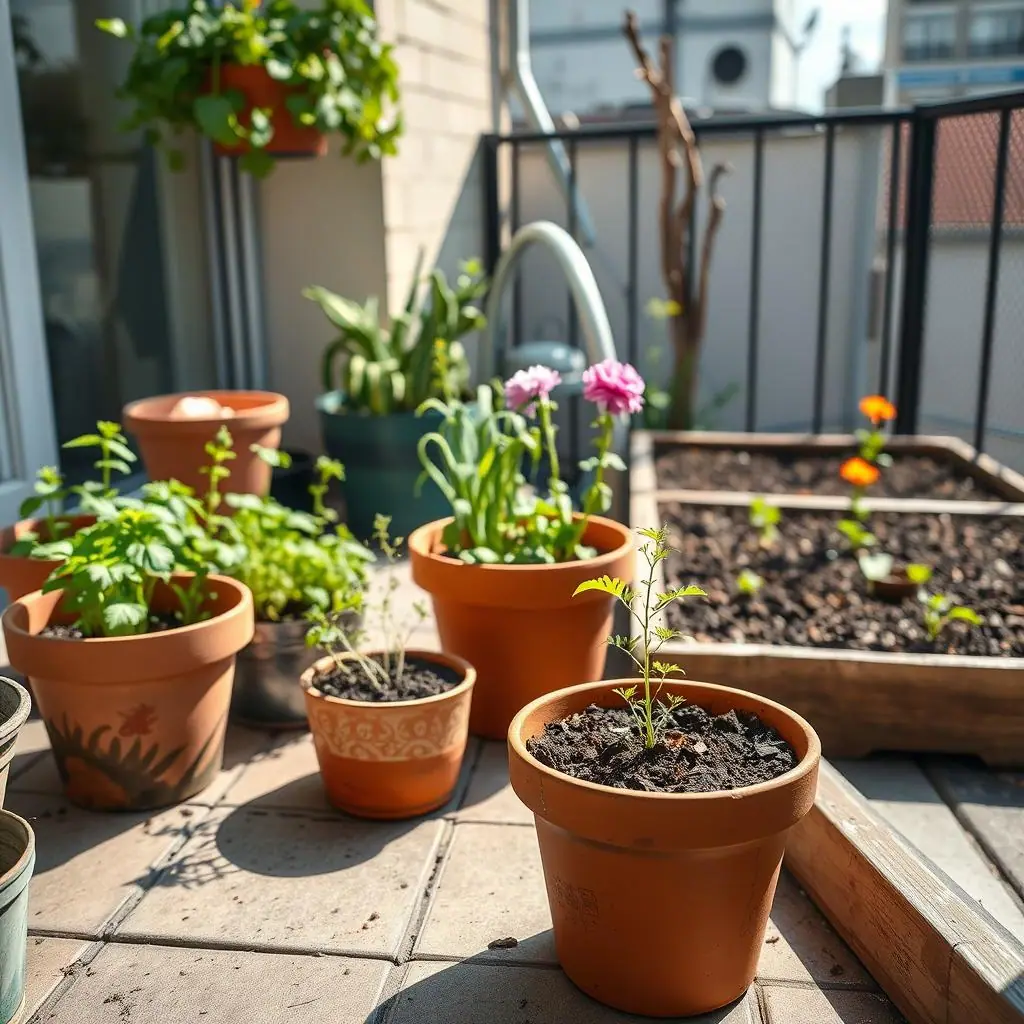
Before changing everything, look at the microclimate around the pot. A container beside a brick wall, glass door, metal railing, concrete slab, or windy corner may dry faster than the same pot in a calmer, shaded spot. Two pots on the same patio can have very different watering needs.
If you are still learning how sun exposure works in your outdoor space, PatioSprout's guide to full sun vs part sun on a balcony can help you separate direct sun, bright shade, reflected heat, and afternoon stress.
Small soil volume changes everything
A small pot has less potting mix, so there is less stored moisture for roots to draw from. This matters most for thirsty herbs, compact vegetables, and flowering annuals during warm weather. A larger container does not remove the need to water, but it gives the plant a bigger moisture buffer.
Container sides are exposed to air
In a garden bed, roots are surrounded by soil. In a pot, the root zone is surrounded by container walls. Those walls can warm up in sun, cool down quickly at night, and lose moisture faster through drainage and evaporation. Porous containers can also let moisture move through the pot wall.
What to Check First When Patio Pots Keep Drying Out
Start with the pot before blaming the plant. The container, mix, and placement often explain the watering problem.
- Pot size: tiny containers dry quickly because they hold less potting mix.
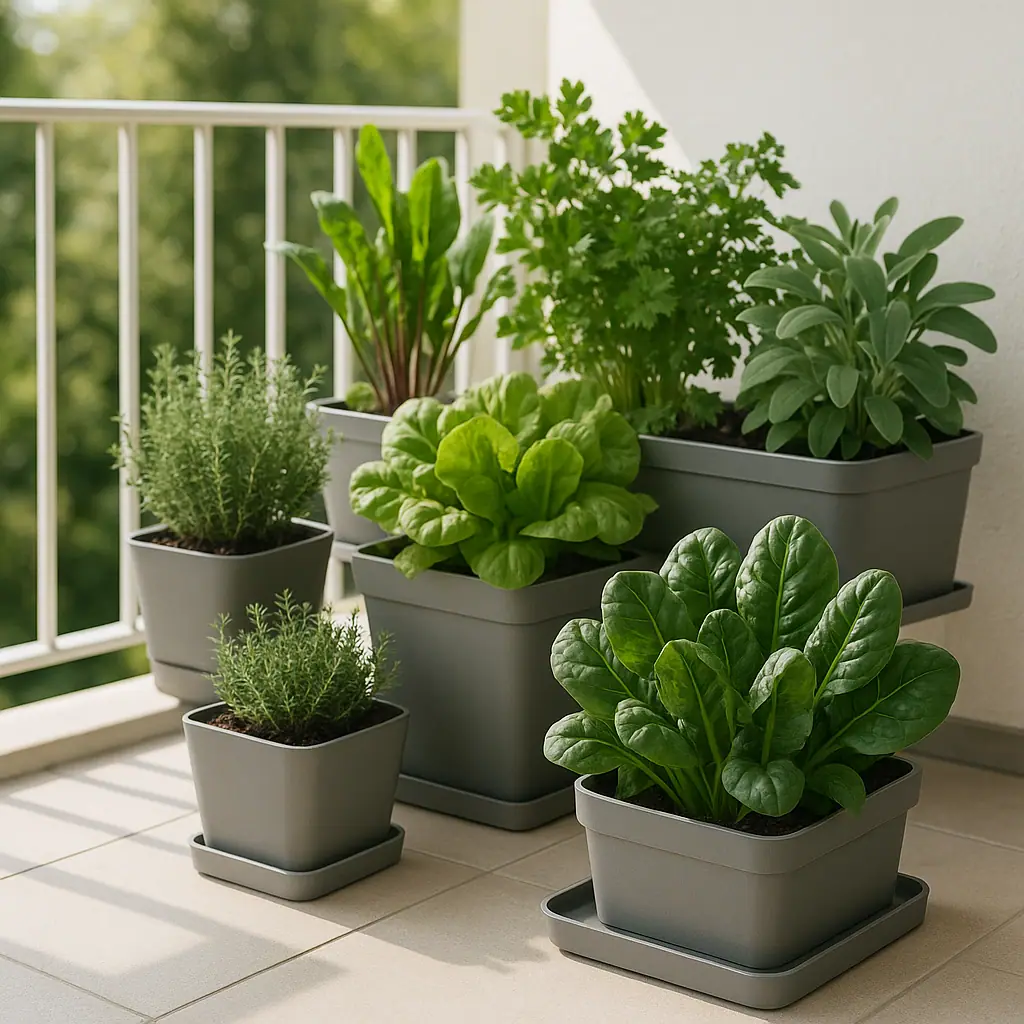
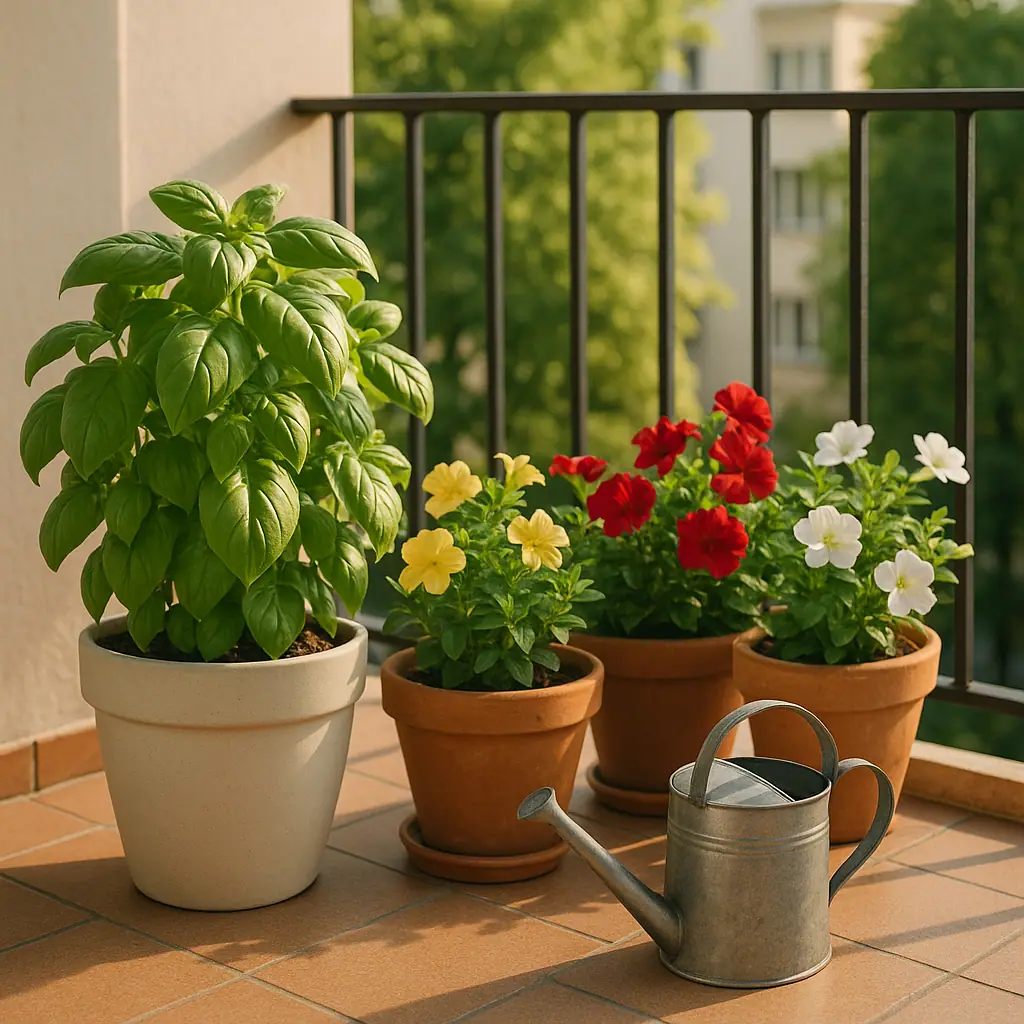
- Pot material: porous clay and terracotta can dry faster than plastic or glazed containers.
- Drainage: drainage holes are necessary, but very fast-draining mixes may need closer monitoring in heat.
- Plant size: a mature plant with a full root system uses water faster than a newly planted seedling.
- Wind exposure: moving air dries leaves and potting mix faster, especially on balconies.
- Reflected heat: pavement, walls, and railings can raise the stress level around the pot.
Penn State Extension notes that plastic pots are lightweight and do not dry out as quickly as porous materials such as terracotta: container vegetable gardening four keys to success.
That does not mean terracotta is bad. It can be useful for plants that dislike soggy roots. It simply means a terracotta pot in full sun may need a different watering rhythm than a plastic pot of the same size.
How to Handle Patio Pots Drying Out Step by Step
Use a simple routine for one week before buying gadgets or replacing all your plants. The pattern you observe will tell you which fix matters most.
- Check moisture at the root zone: push a finger an inch or two into the mix, or lift the pot to feel its weight. The surface alone can be misleading.
- Water deeply when the pot needs it: water until moisture reaches the lower root zone and excess drains out. A quick splash often wets only the top layer.
- Compare morning and afternoon: a pot that is fine at breakfast but wilted by late afternoon may need more soil volume, afternoon shade, or a calmer location.
- Group similar pots: keep thirsty containers together so you can check them as one zone.
- Add a light mulch layer if appropriate: a thin layer of straw, shredded leaves, or fine bark can slow surface drying in larger pots.
- Move the most stressed pot: shift one container away from reflected heat or wind and watch it for several days.
- Upsize only when needed: if roots fill the pot and moisture disappears too quickly, move the plant into a slightly larger container with fresh potting mix.
Use daily checks during hot spells
Container watering is seasonal. A pot that needed water every few days in spring may need daily attention in summer. In very hot, dry, or windy weather, some containers may need checking twice in one day.
Match the plant to the pot
Some plants are more forgiving than others. Mediterranean herbs may tolerate drier intervals better than basil, lettuce, or compact vegetables. University of Minnesota Extension notes that basil grown in containers dries out faster than basil in garden beds and should be watered more frequently: growing basil in home gardens.
Pros and Cons of Patio Pots
Easy to move
You can shift a container into calmer light, away from reflected heat, or closer to your watering routine.
Soil is easier to control
A pot lets you use fresh container mix instead of trying to improve a whole garden bed at once.
Great for small spaces
Patio pots make herbs, flowers, and compact vegetables possible on balconies and paved outdoor areas.
Moisture changes quickly
Small soil volume, exposed sides, wind, and sun can make containers dry faster than a beginner expects.
Watering mistakes show sooner
A missed hot afternoon can stress a small pot faster than it would stress a larger garden bed.
Common Watering Mistakes to Avoid
Most container watering mistakes come from treating every pot the same. A small basil pot, a shaded fern container, and a deep tomato planter will not dry at the same rate.
- Watering by calendar only: use the soil and plant as your guide, not just a fixed schedule.
- Using pots that are too small: tiny containers leave very little backup moisture for warm afternoons.
- Letting saucers stay full: drainage matters, but standing water can keep roots too wet after watering.
- Ignoring material: terracotta, fabric grow bags, plastic, and glazed pots can dry at different speeds.
- Skipping afternoon observation: many drying problems appear after the hottest part of the day, not in the morning.
- Adding fertilizer before fixing water: a thirsty plant usually needs better moisture management before more nutrients.
If you suspect the container itself is too small, the PatioSprout guide to best pot sizes for herbs, flowers, and small vegetables can help you choose a better moisture buffer.
A Simple Patio Pot Moisture Checklist
Use this checklist when a pot seems to dry out too quickly.
- Does the pot feel very light by afternoon? The root zone may be running out of available moisture.
- Is the plant root-bound? Crowded roots leave less room for moist potting mix.
- Is the container exposed on all sides? Move it near a calmer wall or group it with other pots.
- Is the surface crusty but lower mix moist? Watering may be uneven, or the top layer may need gentle loosening.
- Does water run straight through? Very dry potting mix can repel water at first; water slowly and repeat after a short pause.
- Did the weather change? Heat, wind, and low humidity can change watering needs in a single day.
When to Get Extra Help
Ask a local extension office, nursery, or experienced container gardener if a plant keeps wilting even when the root zone is moist. Wilting can come from heat stress, root problems, pests, disease, transplant shock, or overwatering, not just dry soil.
Get plant-specific guidance before making big changes to valuable perennials, shrubs, or edible plants. Local climate matters, and a watering routine that works in a humid region may fail on a hot, windy balcony.
Frequently Asked Questions
What should I check first when patio pots keep drying out?
Check the soil below the surface and lift the pot to feel its weight. If the lower root zone is dry and the pot feels light, the plant likely needs a deeper watering or a larger moisture buffer.
How often should I review my container watering routine?
Review it whenever the weather changes. During hot, windy, or very sunny periods, check containers daily until you know how fast each pot dries.
Should I water patio pots every day?
Sometimes, but not automatically. Some containers need daily water in summer, while larger shaded pots may not. Let root-zone moisture, plant type, and weather guide the decision.
Can I undo a container watering problem later?
Often yes. You can move the pot, adjust watering depth, add mulch, refresh potting mix, or upsize the container. Make one change at a time so you can see what helped.
Final Thoughts
Patio pots dry out faster than garden beds because they have a smaller, more exposed root zone. Sun, wind, reflected heat, pot material, plant size, and soil volume all affect how quickly moisture disappears.
Start with one practical habit: check your most exposed pots at the same time each day for a week. After that, you will know which containers need more soil volume, which need a calmer spot, and which simply need a more consistent watering rhythm.