Self-watering planters can make patio gardening feel easier, especially when a small outdoor space heats up quickly or daily watering is hard to remember. They are not magic pots, though. A reservoir can help steady moisture, but it cannot fix the wrong plant, the wrong potting mix, or a planter that is allowed to stay too wet.
The best way to use self-watering planters is to understand what they actually do. They hold water in a lower chamber, then let the potting mix draw moisture upward as the plant needs it. For beginners, that can be useful, but only when the setup still has overflow protection, fresh air around the roots, and regular checks.
This guide explains when self-watering planters help, when they do not, and how to choose one for a balcony, patio, or small container garden without turning watering into guesswork.
Why Self-Watering Planters Matter
Container plants dry out faster than in-ground plants because their roots have a limited volume of potting mix. Sun, wind, dark patio surfaces, and small pots can all make that mix lose moisture quickly. A self-watering planter gives the plant a backup supply, which can reduce the stress of missed watering days.
University of Maryland Extension explains that self-watering containers usually place the growing medium above a water reservoir, with an overflow hole on the side rather than drainage holes in the bottom. Their self-watering container guide notes that these planters can conserve water and nutrients while making it possible to ignore containers for a few days.
Start With Containers, Soil, and Drainage
A self-watering planter is still a container garden. It needs the same basic checks as any patio pot: enough room for roots, a potting mix made for containers, and a safe way for extra water to escape. The reservoir changes the watering path, but it does not remove the need for drainage awareness.
Most designs include a water reservoir at the bottom, a separator or platform above it, and a fill tube or watering opening. Water moves from the reservoir into the potting mix by wicking. If the reservoir is full and rain keeps coming, the overflow hole should release extra water before the root zone becomes saturated.
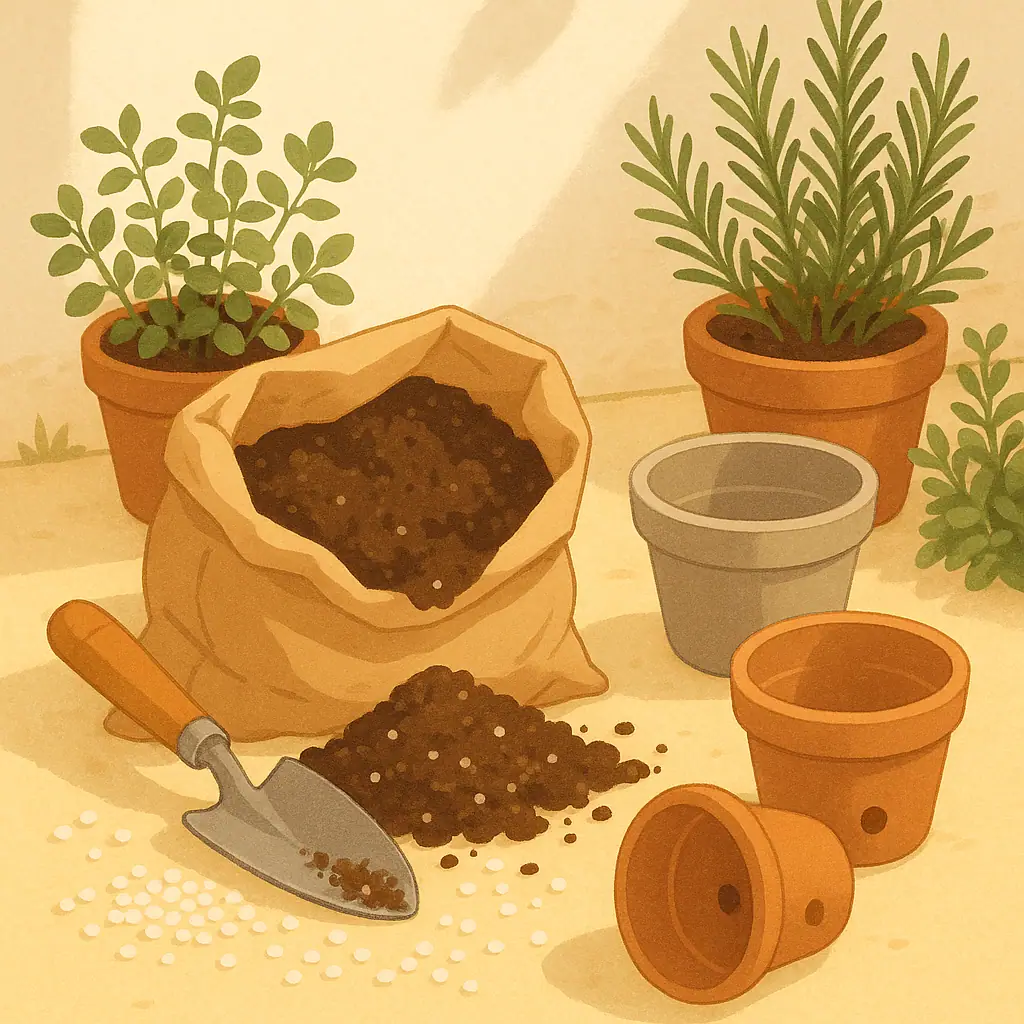
Use container potting mix, not garden soil
Garden soil can compact inside pots and interfere with wicking. A lighter container potting mix holds moisture while still leaving air space around roots. If a product manual recommends a specific mix, follow that direction first.
Check where overflow water goes
On a patio, overflow may simply drain to the floor. On a balcony, it could drip downstairs or stain a shared surface. Before filling the reservoir, place the planter where overflow can be caught, redirected, or safely managed.
When Self-Watering Planters Help Most
Self-watering planters are most helpful when your plants like even moisture and your outdoor space dries out quickly. They can be especially useful for warm balconies, edible containers, and larger patio pots that would otherwise need very frequent watering.
- Busy watering routines: a reservoir can cover short gaps when you cannot check plants every day.
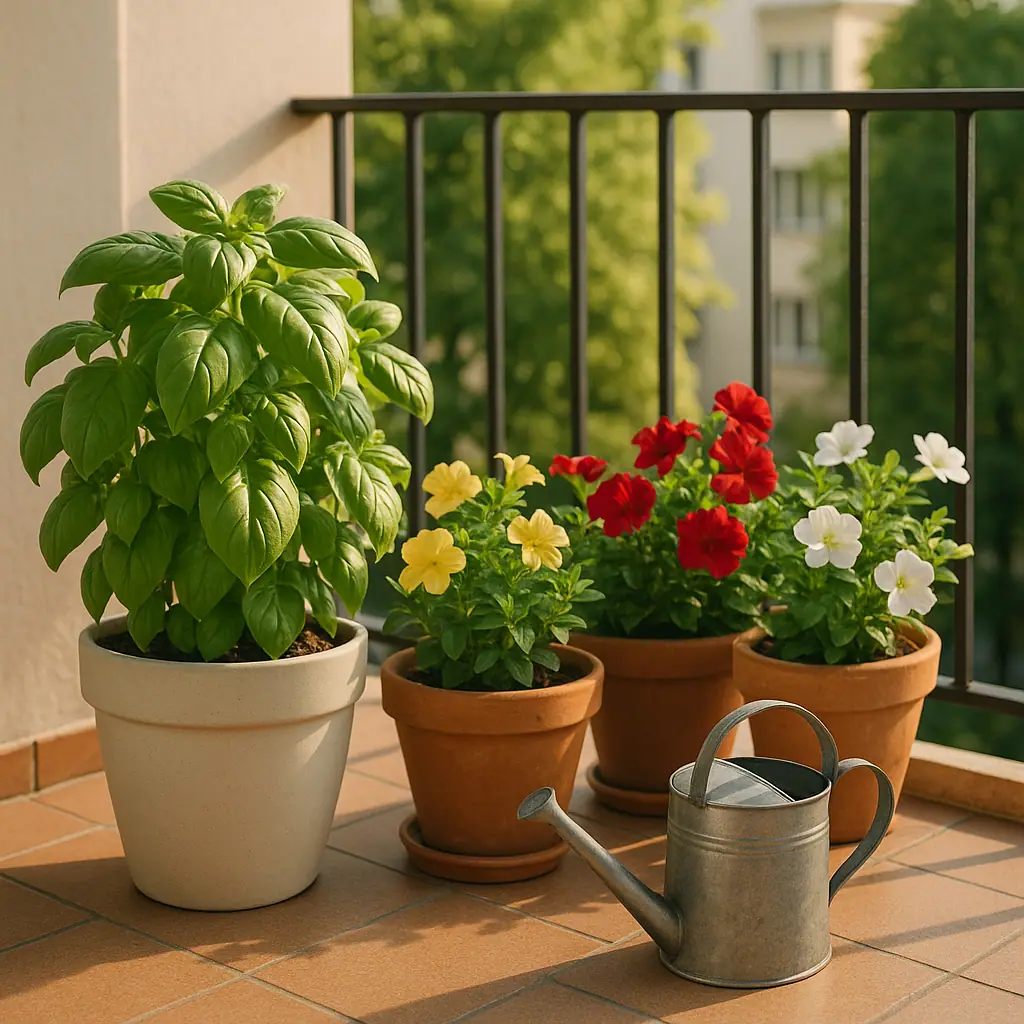
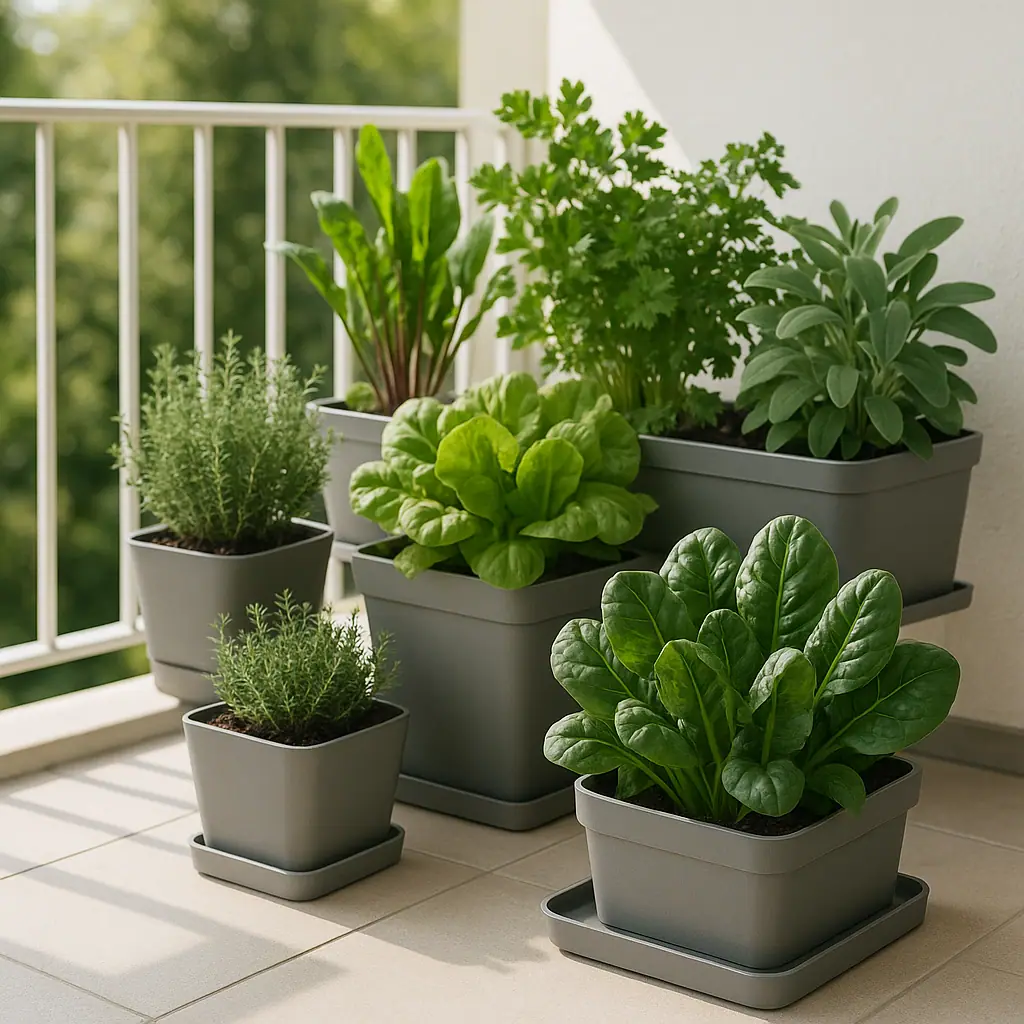
- Thirsty edible plants: basil, lettuce, compact tomatoes, and similar crops often appreciate steadier moisture when light and pot size are right.
- Hot patio surfaces: containers near concrete, brick, or dark decking may dry faster than you expect.
- Beginner consistency: a visible fill tube or water gauge can make watering feel less mysterious.
- Water conservation: less water may run out of the bottom compared with a standard pot watered too quickly.
They also help when a planter is large enough to buffer changing weather. Tiny self-watering pots can still dry out quickly in strong sun, while oversized reservoirs can stay wet too long for plants that prefer drier roots.
When Self-Watering Planters Do Not Help
A self-watering planter is not the best choice for every plant or every balcony. Some herbs and ornamentals prefer the potting mix to dry between waterings. Others may struggle if the reservoir stays full during cool, cloudy, or rainy weather.
They also do not solve poor placement. If a plant needs six or more hours of direct sun and your balcony gets mostly shade, a reservoir will not make up for the missing light. If a planter is too small for the root system, the plant can still become stressed even with water available.
- Plants that dislike wet feet: many Mediterranean herbs, succulents, and drought-tolerant plants may prefer a faster-drying setup.
- Rainy exposed balconies: a reservoir plus repeated rain can keep the system wetter than intended.
- Cold shoulder seasons: plants use less water in cool weather, so the reservoir may need to stay partly empty.
- Unreachable planters: if you cannot inspect the overflow hole or empty trapped water, maintenance becomes harder.
- Dirty reservoirs: standing water chambers need occasional cleaning so debris and algae do not build up.
How to Use a Self-Watering Planter Step by Step
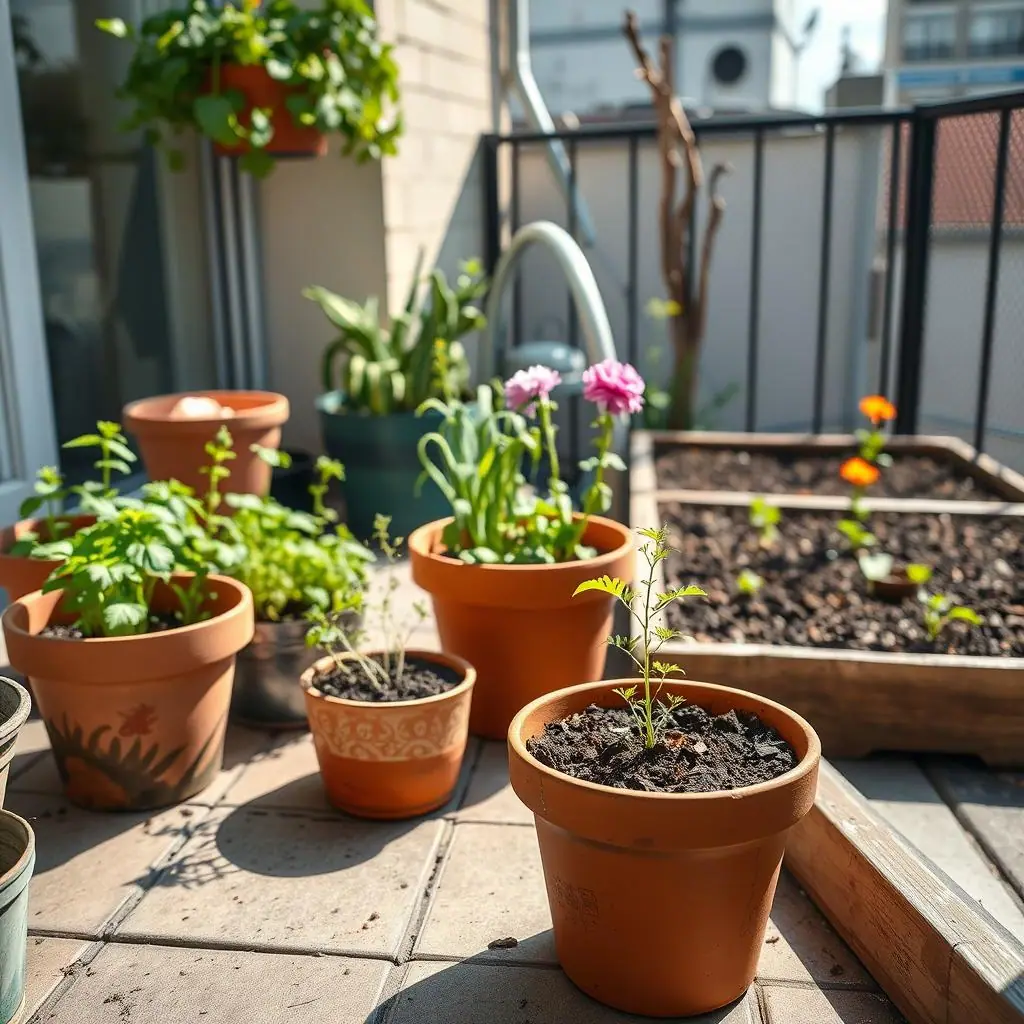
Start with one planter before converting your whole patio. A small test lets you learn how quickly the reservoir empties in your light, wind, and weather.
- Choose the right plant: pick a plant that likes consistent moisture, such as basil, lettuce, parsley, or a compact flowering annual.
- Match the planter size: use a container large enough for the mature root system, not just the starter plant.
- Use fresh potting mix: moisten it before planting so the wicking system begins evenly.
- Find the overflow hole: confirm where extra water exits before the planter is placed near a balcony edge.
- Fill slowly the first time: add water until the reservoir is ready according to the product instructions, then stop.
- Check the top mix: for the first week, feel the upper inch of mix so you learn whether moisture is reaching the root zone.
- Adjust by season: keep the reservoir fuller in hot weather and use more caution during cool, rainy weeks.
Pros and Cons of Self-Watering Planters
They smooth out missed watering days
A reservoir can keep moisture steadier when a beginner forgets a day or two in warm weather.
They can reduce wasted runoff
Water stored below the mix may be used by roots instead of immediately draining away.
They work well for many edible containers
Moisture-loving herbs and leafy greens often benefit from a more consistent water supply.
They can stay too wet for some plants
Drought-tolerant herbs and succulents may struggle if the mix never dries enough.
They still require maintenance
Reservoirs, fill tubes, and overflow holes need checking, especially after rain or heat waves.
A Simple Buying Checklist
Before buying a self-watering planter, use this quick checklist. It keeps the purchase practical instead of choosing only by color or shape.
- Is the planter large enough for the mature plant? Check depth and width, not just the reservoir size.
- Can you see or access the water level? A gauge, fill tube, or clear routine helps prevent overfilling.
- Where is the overflow hole? Make sure extra water will not drain over a balcony edge.
- Can the reservoir be cleaned? Choose a design you can rinse or inspect without dismantling your whole garden.
- Does the plant like steady moisture? Match the planter to the plant's natural care needs.
- Is it stable outdoors? A tall planter should not tip easily in wind or when the reservoir is empty.
Frequently Asked Questions
Are self-watering planters good for beginners?
Yes, when they are matched to the right plant and checked regularly. They make watering more forgiving, but they do not remove the need to monitor soil moisture.
Can I leave a self-watering planter full all the time?
Not always. In hot weather it may be fine for thirsty plants, but during cool or rainy periods, a constantly full reservoir can keep the mix too wet.
Do self-watering planters need drainage?
They usually use an overflow hole rather than bottom drainage holes. You still need a way for extra water to leave the reservoir safely.
What plants should I avoid in self-watering planters?
Be cautious with succulents, many drought-tolerant herbs, and plants that prefer to dry between waterings. Check the plant's care needs before choosing the container.
Final Thoughts
Self-watering planters help most when they support a plant that already wants steady moisture. They are useful for busy beginners, warm patios, and many edible containers, but they are not a universal upgrade for every plant.
Start with one planter, watch how fast the reservoir empties, and adjust as weather changes. When you treat the reservoir as a helpful tool instead of a set-it-and-forget-it system, your patio garden becomes easier to manage and healthier over time.