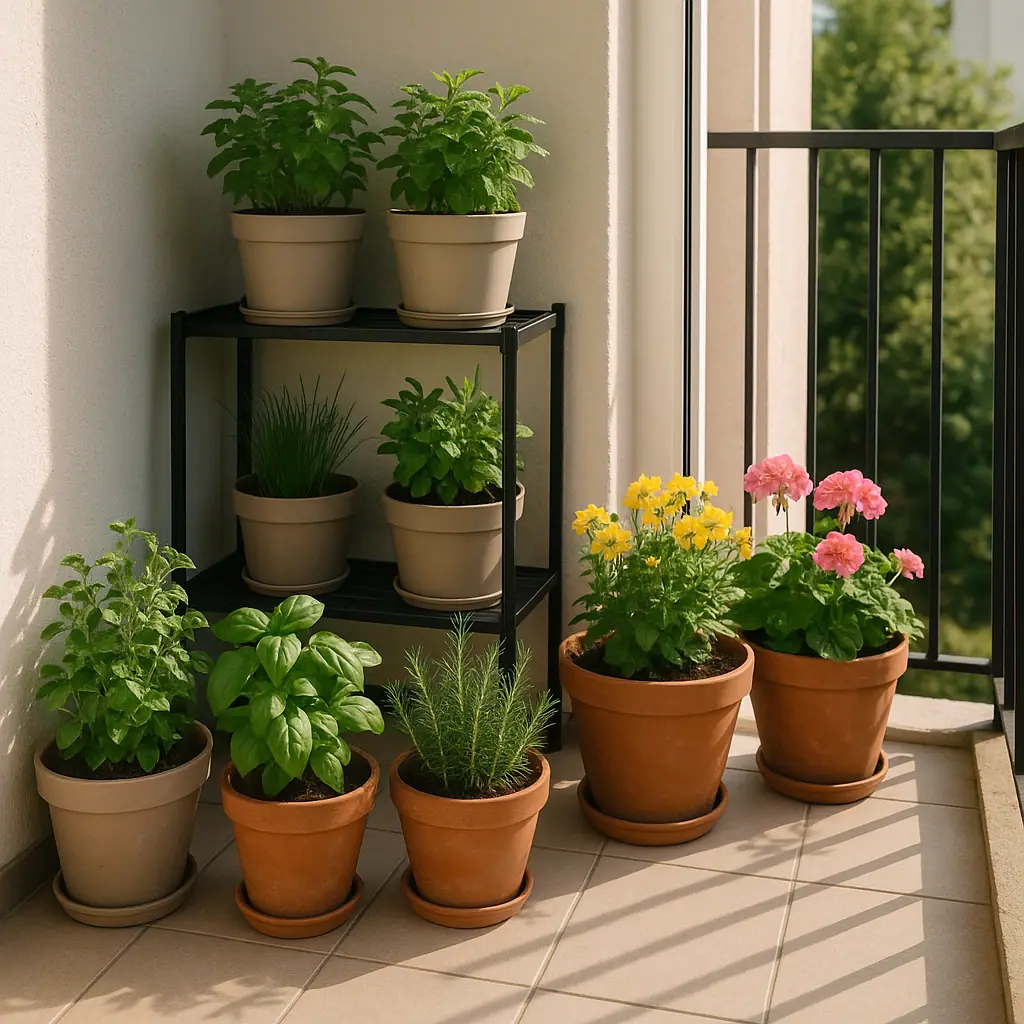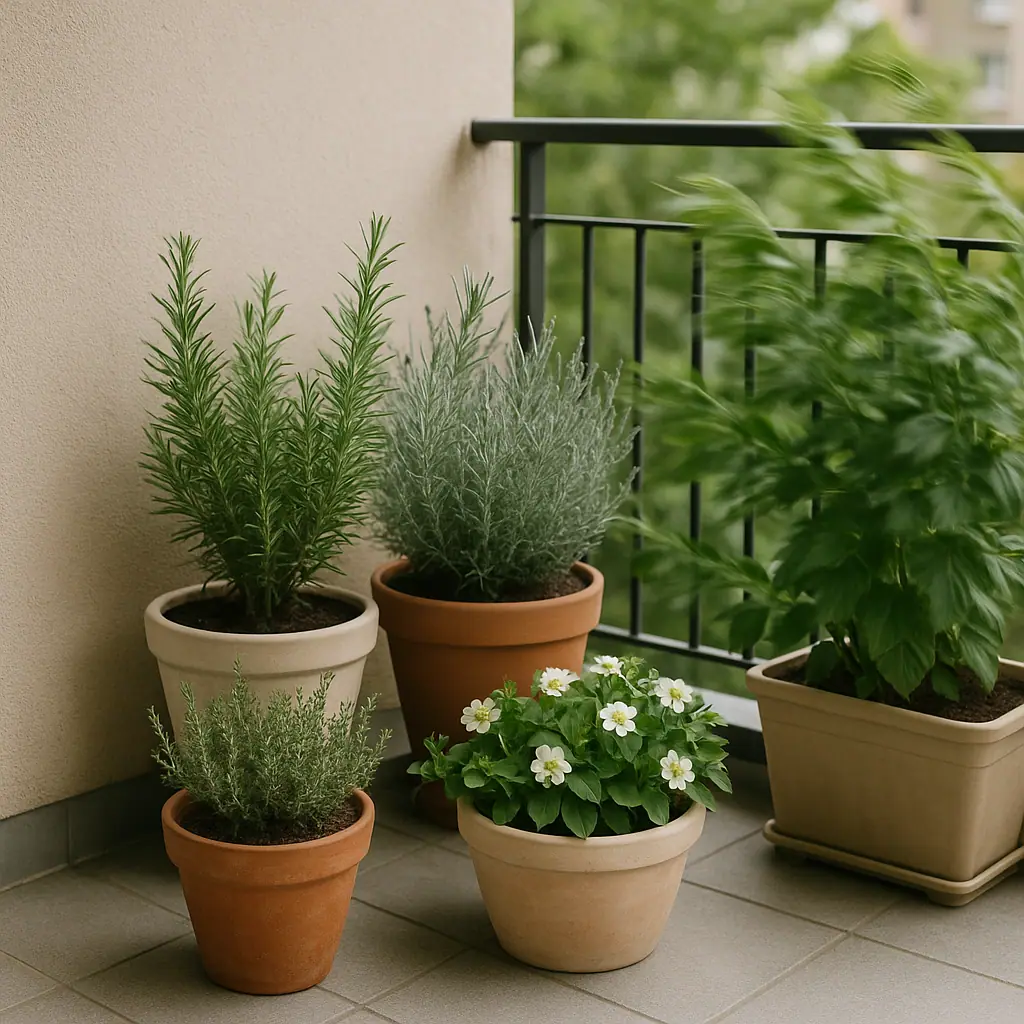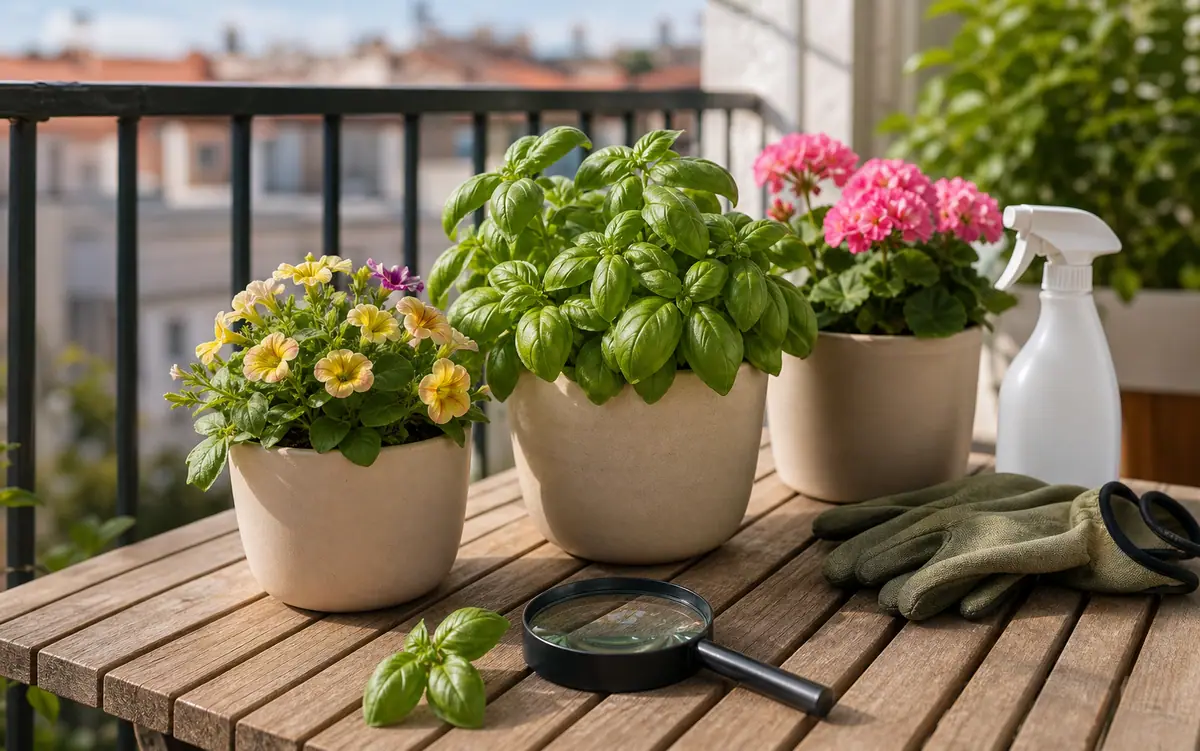
Safe first steps before using pest spray on patio plants start with one calm question: what problem are you actually trying to solve? A few specks on a leaf, a curled basil tip, or a cluster of insects does not always mean a spray is the right first move.
Small patio containers can react quickly to heat, dry soil, crowded roots, wind, and watering swings. Those stresses can look like pest damage, and pest damage can look worse when a plant is already stressed. Before you buy or apply anything, slow the process down enough to identify the pest, check the plant's condition, and read the product label if a spray still seems necessary.
Why This Matters Before Pest Spray
Pest sprays are tools, not shortcuts. Used well, they can be part of a careful plan. Used too quickly, they can waste money, damage tender leaves, affect beneficial insects, or create safety issues around edible herbs and shared outdoor spaces.
UC Integrated Pest Management explains that the first step in choosing a pesticide is accurately identifying the organism causing the problem, because a misidentified pest can lead to the wrong product or strategy: UC IPM guidance on safe and effective pesticide use.
Start With Plant Health and Pest Basics
Many beginner pest problems become clearer after a five-minute inspection. Look at the whole plant first, then zoom in on the damaged area. A container plant may be struggling from heat reflection, soggy mix, drought, poor drainage, or a pot that is too small.
Check whether the pest is still there
Old damage can remain after the pest has moved on. Chewed leaves, yellow patches, and curled tips do not prove that a new spray will help today. Turn leaves over, inspect new growth, look along stems, and use your phone camera if the insects are tiny.
Check the plant's stress level
A thirsty, wilted, newly transplanted, or heat-stressed plant is not an ideal spray target. Even products marketed for home gardens can bother tender foliage when used at the wrong time, in harsh sun, or on a plant that is already struggling.
If the symptom is mainly chewing, compare the damage with PatioSprout's guide to chewed leaves on balcony plants. That helps separate active pests from old cosmetic damage before you treat.
What to Check First for Safe Pest Spray Decisions
Use a simple order so you do not skip the boring but important details. The goal is not to become a pest expert overnight. It is to avoid the most common beginner mistake: reaching for a bottle before you understand the plant, pest, and label.
- Identify the pest: note its color, shape, location, movement, and whether it appears in clusters or alone.
- Confirm fresh damage: look for new holes, new sticky residue, fresh webbing, active insects, or worsening growth.
- Look for beneficial insects: lady beetle larvae, lacewing larvae, hoverflies, and other predators may already be helping.
- Check edible status: herbs, lettuce, strawberries, and vegetables need products labeled for edible plants if you spray at all.
- Check the location: shared balconies, railings, windy patios, pets, and neighboring plants all change the risk.
- Read the label before buying: the pest, plant, site, directions, protective gear, and timing need to match your situation.
The EPA's garden pesticide label guidance emphasizes reading the label first to protect people and the environment: EPA guidance on reading the label before garden pesticide use.
How to Handle Patio Pest Problems Step by Step
When you find a possible pest, work from low-risk actions toward stronger decisions. This is especially useful in small outdoor spaces where one overspray, one windy day, or one mislabeled edible container can create extra problems.
- Move the pot if practical: place a small affected container where you can inspect it clearly without crowding other plants.
- Photograph the pest and damage: take close photos plus one whole-plant photo so you can compare changes later.
- Remove what you can by hand: prune a badly infested tip, wipe leaves, or rinse sturdy foliage with water when the plant can handle it.
- Improve the plant's basics: correct watering, drainage, light, airflow, and spacing before assuming a spray is the missing answer.
- Wait and recheck: inspect the next day and again after a few days. Small problems often reveal whether they are spreading or settling down.
- Choose a product only if needed: match the product to the identified pest, the specific plant, and the exact use site.
- Follow the label exactly: use the listed rate, protective gear, timing, reentry guidance, and harvest interval when edible plants are involved.
Pros and Cons of Waiting Before You Spray
You avoid treating the wrong problem
Water stress, heat scorch, nutrient trouble, and old pest damage can look like active pest trouble at first glance.
You protect useful insects
A slower inspection gives beneficial insects time to show up and helps you avoid removing natural helpers by mistake.
You make better product choices
When a spray is truly needed, pest identification and label reading help you choose one that matches the plant and site.
Follow-up takes discipline
You need to recheck the plant instead of forgetting the problem after one inspection.
Severe infestations may still need action
If pests are spreading quickly or a valuable plant is declining, you may need a more targeted control plan after identification.
Common Pest Spray Mistakes to Avoid
The risky part is not just the spray itself. It is the chain of assumptions that often comes before it. Beginners may buy a product because the front label looks familiar, because a neighbor used it, or because a photo online looked similar.
- Spraying without seeing the pest: damage alone is not enough evidence that a spray will help today.
- Ignoring the label site: a product may be for lawns, ornamentals, roses, houseplants, or vegetables, and those uses are not interchangeable.
- Spraying in wind: drift is a bigger issue on balconies and patios near railings, furniture, pets, and other people.
- Spraying stressed leaves: drought, heat, and recent transplant shock can make plants more sensitive.
- Mixing products casually: do not combine sprays, soaps, oils, or fertilizers unless the label clearly allows it.
- Forgetting harvest intervals: edible containers may require waiting before harvesting after a labeled treatment.
A Simple Pre-Spray Checklist
Keep this checklist in mind before any patio pest treatment. If you cannot answer one of these questions, pause and verify before continuing.
- Pest identified? You know what insect, mite, disease, or other problem you are targeting.
- Fresh activity confirmed? The pest or new damage is present now, not just old leaf scars.
- Plant stress checked? Water, drainage, heat, pot size, and light are not the main issue.
- Non-spray step tried? You have considered pruning, rinsing, wiping, isolation, or better care first.
- Label matches? The product allows your plant, pest, site, timing, and edible use if relevant.
- Weather works? Conditions are calm, not too hot, and suitable for the label directions.
- People and pets protected? You can keep children, pets, neighbors, and yourself away as directed.
When to Get Extra Help
Ask for help when the plant is valuable, the pest is unfamiliar, the problem is spreading across multiple containers, or the label feels confusing. A local extension office, master gardener program, or reputable nursery can often help identify pests from clear photos and basic plant details.
If aphids are the likely issue, PatioSprout's beginner guide to aphids on patio plants walks through a gentle inspect-rinse-monitor routine. Use that kind of pest-specific guidance before treating every plant the same way.
Frequently Asked Questions
What should I check first before using pest spray on patio plants?
First confirm the pest is present and identify it as closely as you can. Then check whether the plant is stressed by watering, heat, drainage, or pot size before choosing any product.
How often should I review the plant after a non-spray step?
Check the next day, then every few days for one to two weeks. Look for fresh insects, new damage, cleaner growth, and whether the plant looks less stressed.
What should I do if I am not sure which spray is safe?
Pause and ask a local extension office, master gardener program, or knowledgeable nursery. Bring the product label, plant name, pest photos, and whether the plant is edible.
Can I undo a pest spray decision later?
You cannot always undo a bad application, especially on edible plants or tender leaves. That is why identification, label reading, weather checks, and small test decisions matter before spraying.
Final Thoughts
Safe first steps before using pest spray on patio plants are mostly about slowing down. Identify the pest, check whether the plant is stressed, try low-risk physical steps, and read the full product label before deciding that a spray belongs in the plan.
Start with one container today. Inspect the newest growth, photograph what you see, correct obvious care issues, and make a note to check again tomorrow. That small habit keeps patio pest control calmer, safer, and easier to repeat.