Learning how to prevent fungus gnats in outdoor pots is mostly about moisture, cleanup, and patience. These tiny dark flies often show up around damp potting mix, saucers, compost bits, and containers that stay wet longer than the plant actually needs. On a patio or balcony, the problem can feel sudden because several pots may share the same watering routine.
The good news is that prevention is usually low-tech. You do not need to panic-buy every pest product. Start by making the pot less attractive to egg-laying adults: let the upper layer dry when the plant allows it, keep drainage open, remove decaying plant material, and monitor before the population builds.
Why Fungus Gnats in Outdoor Pots Matter
Adult fungus gnats are mostly a nuisance, but the conditions that invite them can also point to a container-care problem. Constantly wet potting mix, clogged drain holes, soggy saucers, and decomposing leaves all make a small outdoor pot less stable for roots.
UC IPM explains that fungus gnats infest soil, potting mix, and other moist organic material, and that prevention should focus on avoiding overwatering, providing good drainage, and letting the surface of container soil dry between waterings: UC IPM fungus gnats guidance.
Start With Watering and Soil Basics
Fungus gnat prevention begins before you see flies. A patio container should drain freely, hold enough moisture for the plant, and still give the top layer time to breathe. The right balance depends on plant type, pot size, weather, wind, sun exposure, and potting mix.
Colorado State University Extension notes that fungus gnats can be reduced by allowing the growing medium to dry between waterings, especially the upper portion of the mix: Colorado State Extension fungus gnat resource.
What fungus gnats look like around pots
Adults are small, dark, delicate flies that often hover close to the pot surface or run across damp media. They are easy to confuse with other tiny flies, so look at where they gather. Fungus gnats usually stay near potting mix, wet mulch, compost scraps, and saucers rather than circling fruit or trash.
Why outdoor pots can still attract them
Outdoor containers dry faster than indoor pots in sun and wind, but they can also trap water after rain, drip irrigation, or heavy hand-watering. Large decorative pots, cachepots without drain exits, and deep saucers can keep the root zone damp for days. A shaded balcony corner can hold even more moisture.
What to Check First Before Treating Fungus Gnats
Use a simple inspection before buying a product. The goal is to find the moisture source that lets gnats keep returning.
- Soil surface: touch the top inch of potting mix. If it stays damp for days, adjust watering or improve airflow.
- Drainage holes: lift the pot if possible and make sure holes are open, not blocked by compacted mix or a flat patio surface.
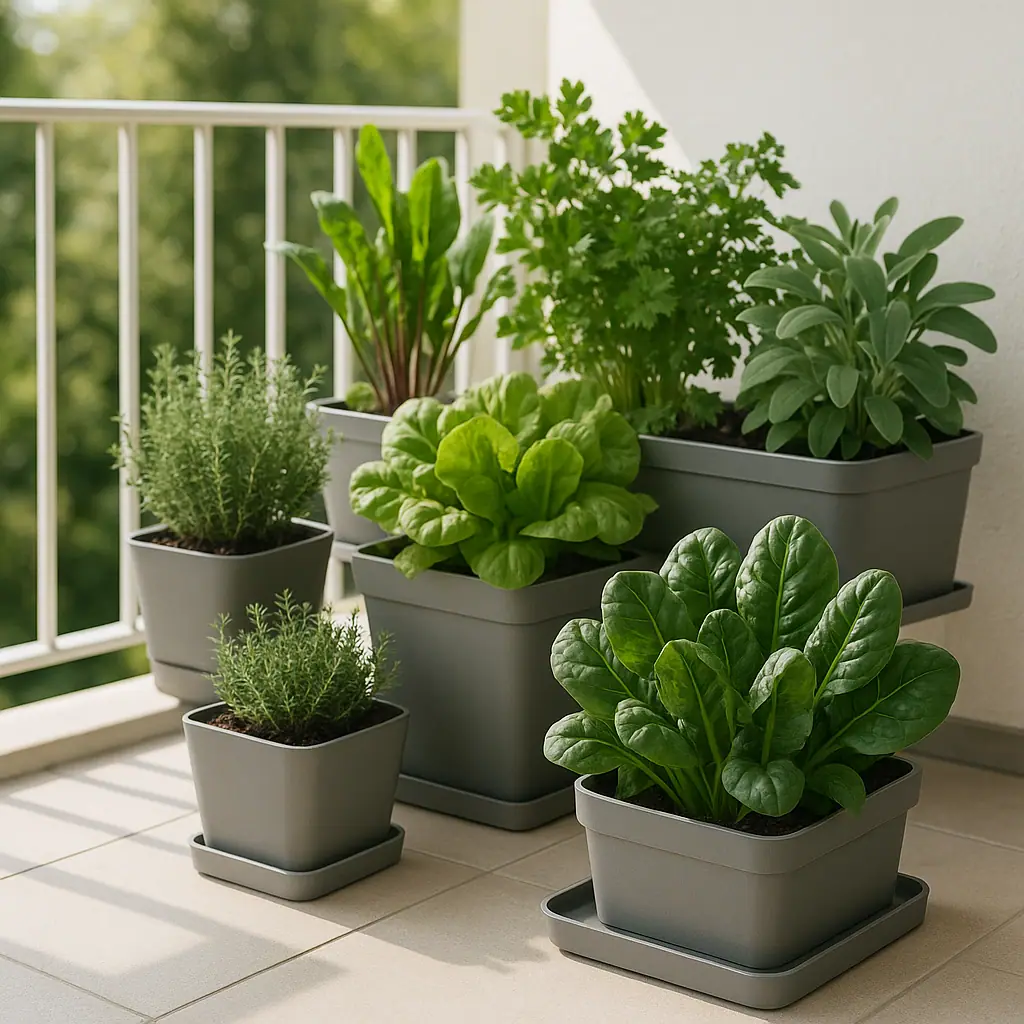
- Saucers: empty standing water after watering or rain unless the plant specifically benefits from brief bottom watering.
- Dead leaves: remove fallen petals, old leaves, and soft stems from the pot surface.
- Mulch layer: check whether decorative moss, bark, or compost is holding moisture against the mix.
- New potting mix: inspect fresh bags and newly filled containers, especially if the mix was stored damp.
If your containers dry out too quickly after you reduce watering, compare the pattern with PatioSprout's guide to why patio pots dry out faster than garden beds. The best routine prevents soggy soil without pushing the plant into drought stress.
How to Prevent Fungus Gnats in Outdoor Pots Step by Step
The most reliable beginner plan is cultural control first. That means changing the container environment so fungus gnats have fewer damp, organic places to breed.
- Pause automatic watering for a check: if you use a drip line or self-watering setup, hand-check the mix for a few days so you know how wet it really is.
- Let the surface dry when the plant allows: many container plants can tolerate a slightly drier top layer even when the root zone stays lightly moist below.
- Water deeply but less casually: water until excess drains, then wait until the plant and potting mix actually need more.
- Empty saucers promptly: do not let runoff sit under pots for hours after normal watering.
- Clean the pot surface weekly: remove dead leaves, flower petals, algae patches, and decaying organic matter.
- Improve drainage contact: use pot feet or small risers when a flat patio blocks drain holes.
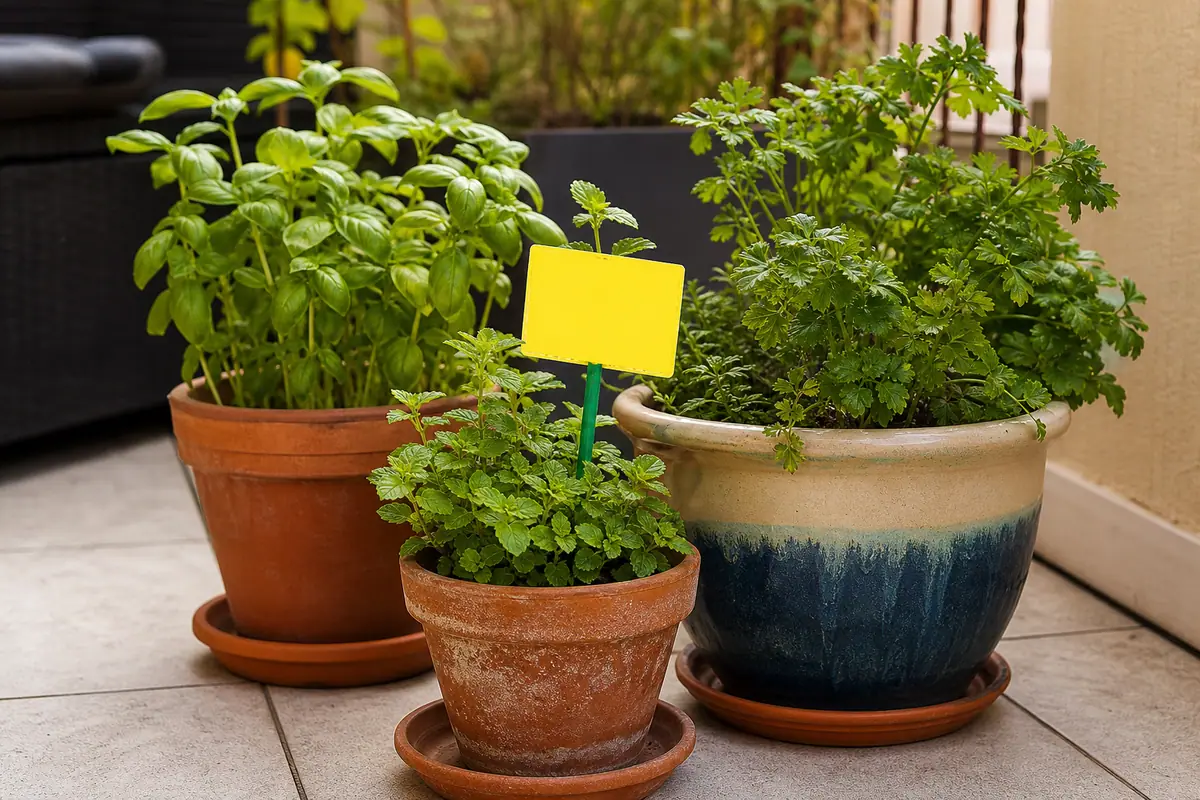
- Use yellow sticky cards for monitoring: place them near affected pots to catch adults and see whether numbers are decreasing.
- Escalate carefully: if the problem persists, choose controls labeled for fungus gnats and your plant type, and follow the product label exactly.
Pros and Cons of a Moisture-First Prevention Plan
It fixes the likely cause
Fungus gnats thrive in damp organic media, so better watering and drainage reduce the conditions that help them multiply.
It protects plant roots
A container that drains well is less likely to suffer from soggy roots, sour-smelling mix, and weak growth.
It avoids unnecessary spraying
Beginners can often reduce small fungus gnat problems with cleanup, drying, and monitoring before considering pesticides.
It requires observation
You need to check the mix, weather, and plant response instead of watering every pot on the same fixed schedule.
Some plants prefer steadier moisture
Moisture-loving plants may not tolerate aggressive drying, so the surface can dry slightly while the deeper root zone stays appropriate.
Common Fungus Gnat Prevention Mistakes to Avoid
Most fungus gnat mistakes come from treating the adults while leaving the damp breeding conditions in place. Sticky cards can help you notice adults, but they do not replace better watering and sanitation.
- Leaving water in saucers: standing runoff keeps the area humid and can soften the lower potting mix.
- Adding compost to the pot surface: unfinished or damp organic matter can create a more attractive breeding zone.
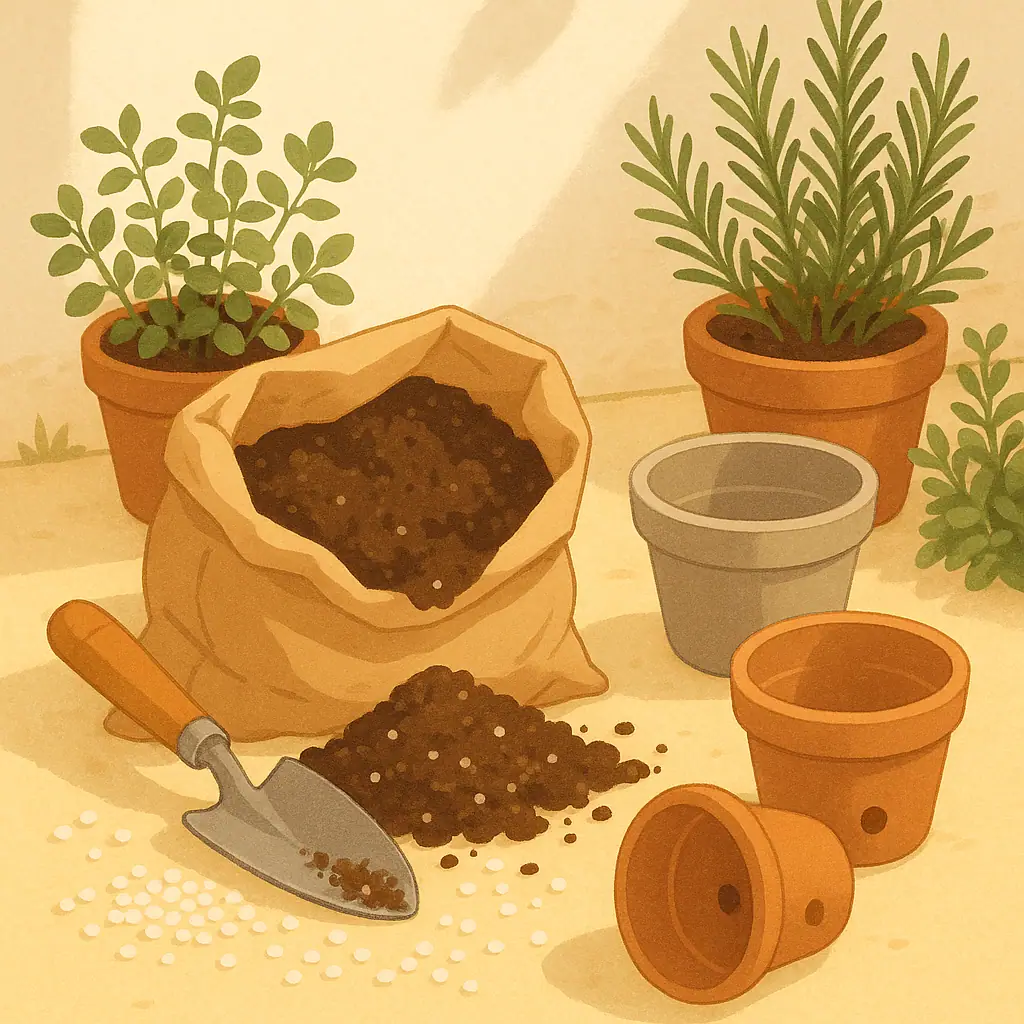
- Using garden soil in containers: outdoor soil can compact in pots and drain poorly compared with a container mix.
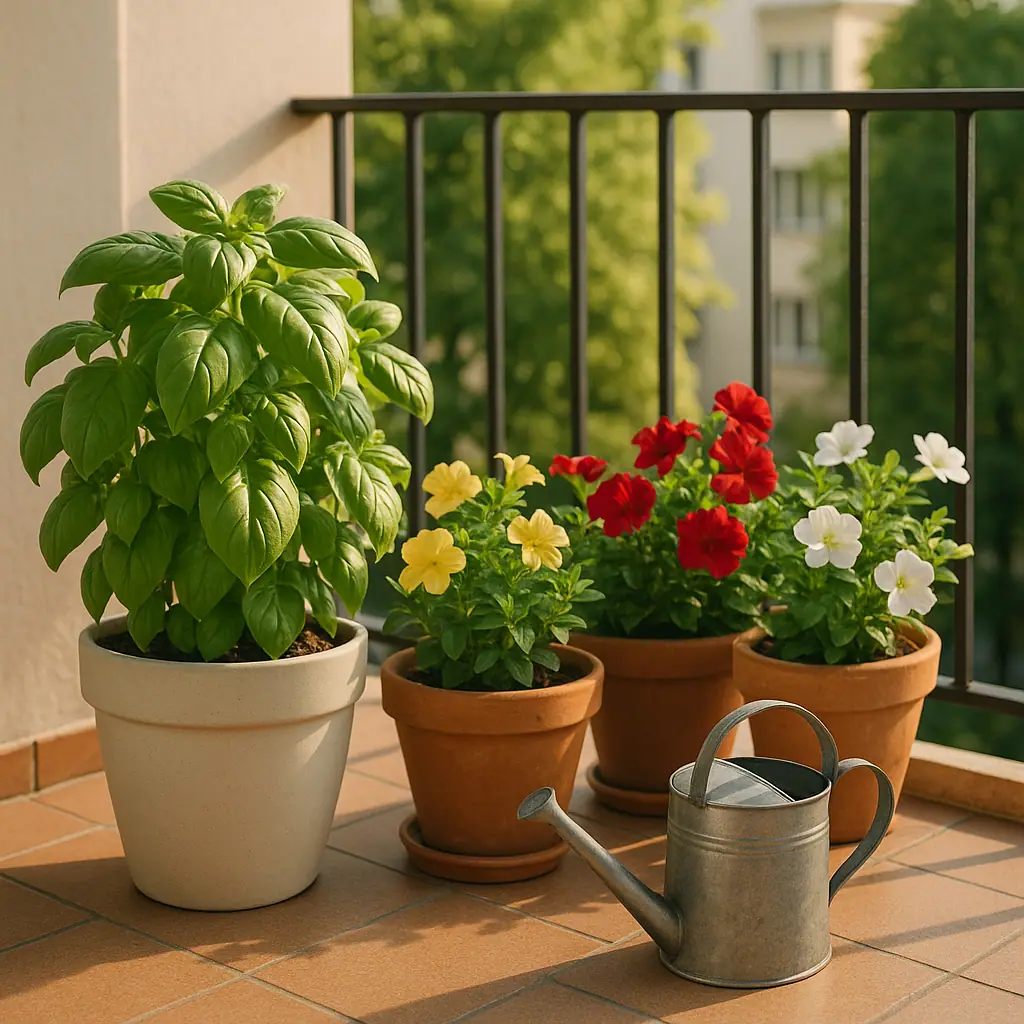
- Watering every pot equally: a shaded 12-inch pot and a sunny 6-inch herb pot will not dry at the same speed.
- Ignoring rain: after storms, check saucers and heavy containers that may stay wet longer than expected.
- Skipping plant stress clues: yellow leaves, sour soil smell, or wilting in wet soil can mean the watering routine needs a bigger reset.
For a stronger foundation, PatioSprout's guide to container gardening soil mix for beginners explains why container mixes need structure, air space, and drainage instead of heavy garden soil.
A Simple Fungus Gnat Prevention Checklist
Use this checklist during warm, wet, or humid weeks when small flies become more noticeable around containers.
- Before watering: check the top inch of mix instead of watering by habit.
- After watering: confirm water drains through the bottom of the pot.
- After rain: empty saucers and cachepots that collected water.
- Weekly: remove dead leaves, petals, and algae-like surface growth.
- Monthly: lift movable pots and check for blocked drainage holes.
- When flies appear: place a sticky card near the pot and track whether numbers rise or fall.
When to Get Extra Help
Ask a local extension office, nursery professional, or master gardener program for help if the plant is declining, larvae are visible in large numbers, or several containers smell sour and stay wet despite less watering. Clear photos of the insect, pot surface, whole plant, and drainage setup will make identification easier.
Also pause before applying any control to edible plants, pollinator-attracting flowers, or stressed containers in hot weather. The exact label matters, and local conditions matter. When in doubt, choose the least disruptive step first: dry the surface appropriately, clean debris, improve drainage, and monitor.
Frequently Asked Questions
What should I check first when fungus gnats appear in outdoor pots?
Check whether the top layer of potting mix stays damp, whether saucers hold water, and whether dead leaves or compost are sitting on the soil surface.
How often should I review pots after seeing fungus gnats?
Check affected pots every few days for two weeks. Watch the soil surface, saucers, and sticky cards to see whether adult numbers are dropping.
What should I do if I am not sure they are fungus gnats?
Take close photos and note where the flies gather. Compare with university extension resources or ask a local nursery before using any treatment.
Can I undo the problem later if the pot stayed too wet?
Often, yes. You can change the watering routine, clear drain holes, remove wet debris, and repot into fresher mix if the old mix smells sour or drains poorly.
Final Thoughts
How to prevent fungus gnats in outdoor pots comes down to making the container less damp, less messy, and easier to monitor. You are not trying to create bone-dry soil for every plant. You are trying to stop the top of the pot from staying wet and full of decaying material.
Start with one affected container today. Empty the saucer, clear the pot surface, check the drainage holes, and wait to water until the plant and mix actually need it. That small routine can prevent a brief nuisance from becoming a patio-wide problem.