Balcony gardening rules renters should check before planting are not meant to make the project feel difficult. They are there to keep your plants, neighbors, lease, and outdoor space from turning into a problem later.
A few containers can make an apartment balcony feel softer and more useful, but renters have extra details to think through. Weight, drainage, railings, building appearance, pets, wind, and move-out rules can all matter before the first bag of potting mix comes home.
This guide gives you a calm, beginner-friendly checklist so you can start with confidence instead of guessing.
Why Balcony Gardening Rules Matter for Renters
Unlike a private backyard, a rented balcony usually belongs to a shared building system. Water can drip to a lower neighbor, heavy containers can stress a surface, and anything attached to a railing may affect safety or building appearance. Even a small garden works better when those limits are clear first.
The goal is not to avoid gardening. The goal is to make the first garden easy to maintain and easy to reverse if you move. A renter-friendly setup usually means freestanding containers, controlled drainage, lightweight materials, and no permanent changes.
Start With the Rules You Already Have
Before choosing plants, look for the rules that apply to your specific home. Some buildings are relaxed about containers on the floor but strict about railing boxes. Others allow herbs and flowers but limit hanging items, outdoor shelving, or anything visible from the street.
Where renters should check first
Start with the lease or tenant handbook, then check any building portal, condo association rules, or balcony-use notices from the property manager. If the wording is unclear, ask a direct question in writing so you have a clear answer later.
- Container placement: check whether pots are allowed on balcony floors, ledges, rails, or exterior-facing areas.
- Railing attachments: avoid clamp-on or over-rail planters until you know they are permitted.
- Drainage rules: look for language about water runoff, staining, or dripping onto lower balconies.
- Appearance rules: some buildings restrict visible shelving, tarps, screens, or mismatched containers.
- Move-out expectations: confirm that any marks, stains, or hardware changes must be repaired.
What to Check Before Buying Plants
Plants are the fun part, but they should come after the safety and renter checks. A balcony garden can be simple when every pot has a clear place, a way to drain safely, and enough light for the plant you choose.
University of Maryland Extension notes that containers can work on balconies and decks, but it also cautions that runoff can mark surfaces or affect neighbors below. Their container gardening guidance recommends saucers or self-watering containers when you need to catch water, especially above another balcony.
For plant-care basics, review a trusted extension resource such as University of Maryland Extension's guide to growing vegetables in containers before making specific edible-plant choices.
Keep the first setup low-risk
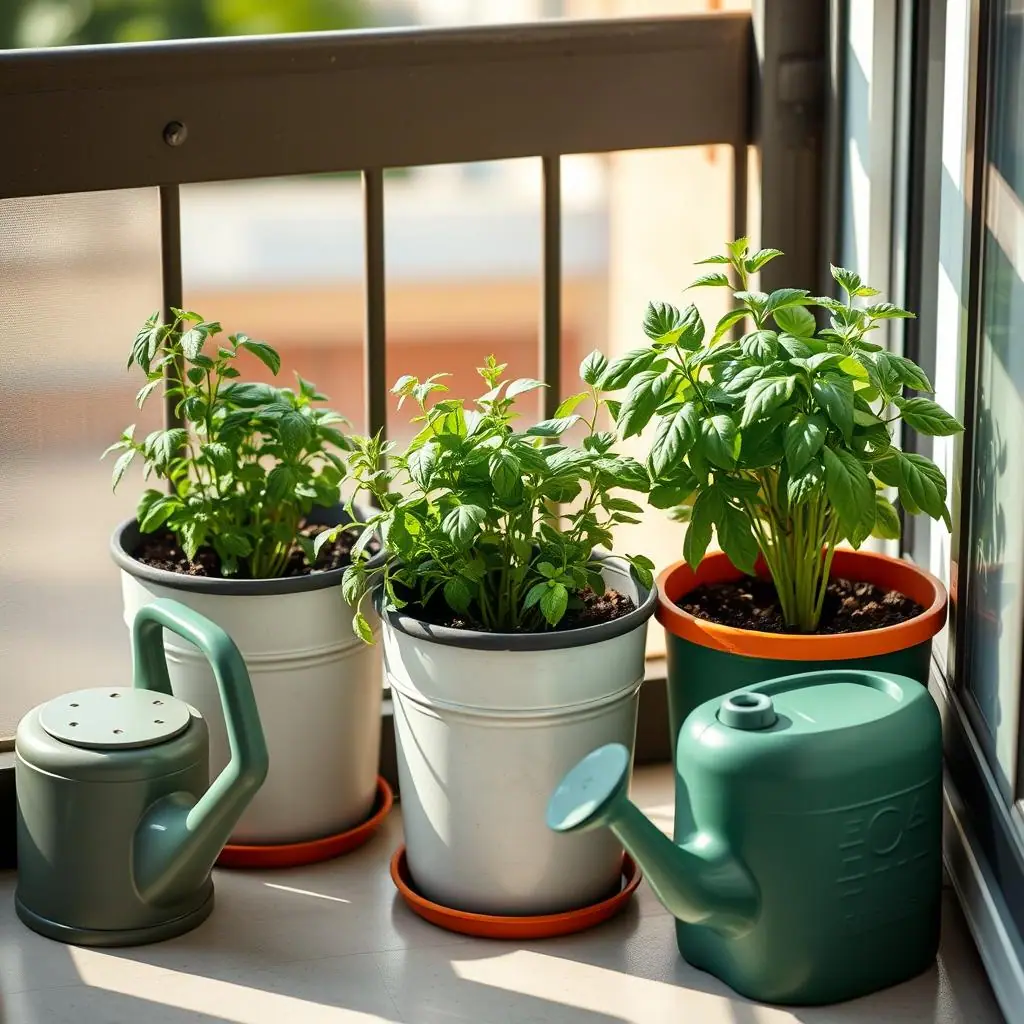
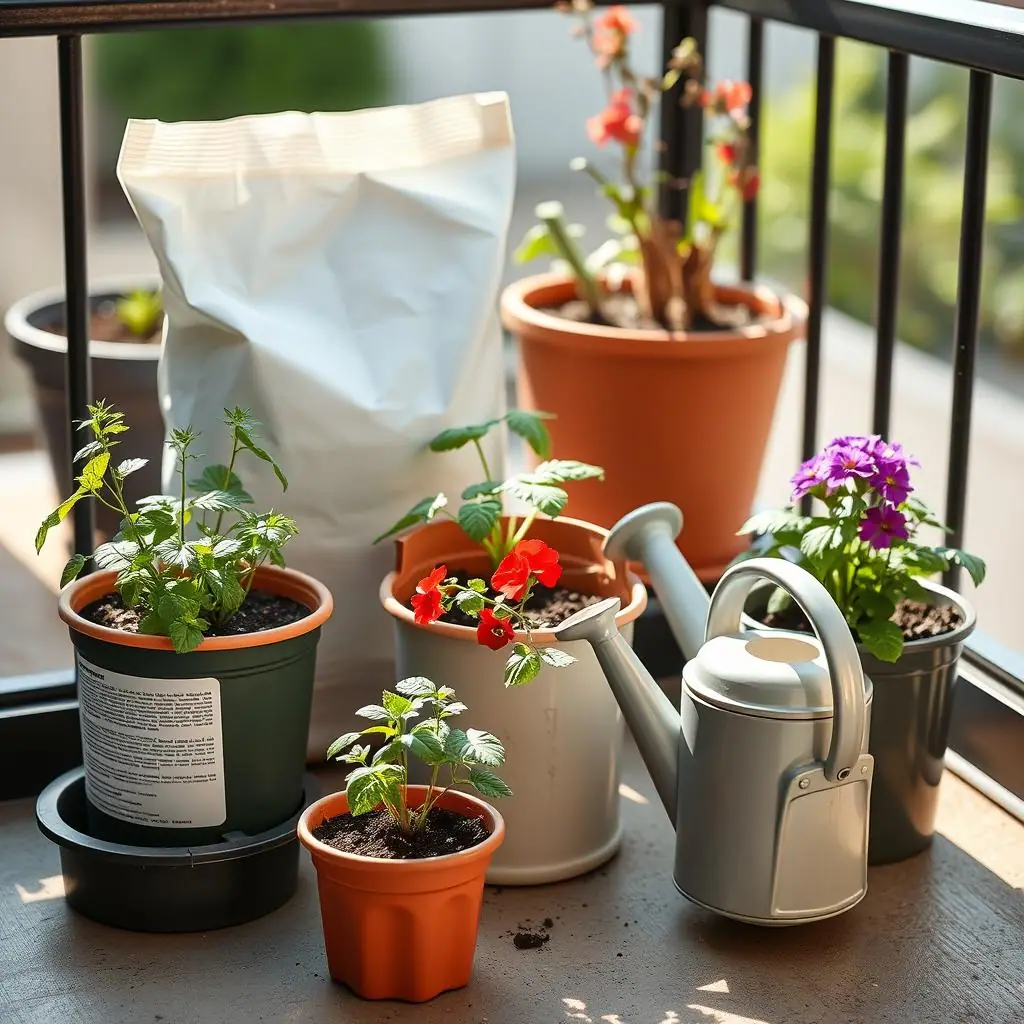
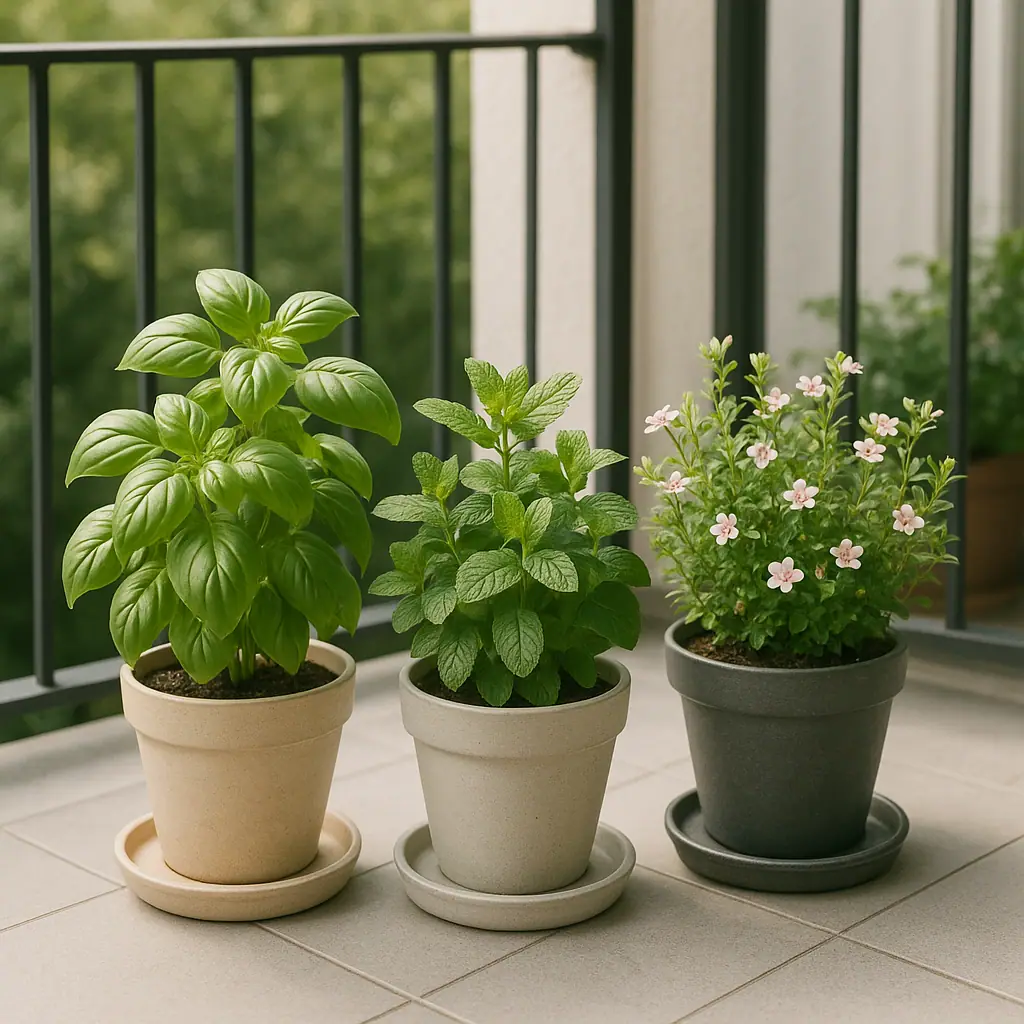
A low-risk renter garden is usually small, movable, and easy to clean around. Think three to five containers before you think plant wall. This gives you room to learn how the balcony handles sun, wind, heat, and watering.
How to Handle Balcony Gardening Rules Step by Step
Use this order before buying soil, stands, planters, or plants. It keeps the decisions practical and helps you avoid supplies that do not fit your building.
- Confirm permission: check the lease, building rules, and manager guidance for balcony plants, railing planters, hanging items, and exterior visibility.
- Estimate weight carefully: wet potting mix, large containers, and ceramic pots can become much heavier than they look. Choose smaller or lightweight containers unless you have clear load guidance.
- Control water: use saucers, trays, or self-watering containers where runoff could stain the floor or drip below.
- Avoid permanent changes: skip drilling, screws, wall anchors, railing damage, and adhesive products that may fail outdoors or leave residue.
- Check wind exposure: keep tall plants, lightweight stands, and trellises stable so they cannot tip or blow into unsafe areas.
- Plan for cleaning: leave space to sweep, remove leaves, empty saucers, and move pots during storms or inspections.
Common Mistakes Renters Should Avoid
The most common mistake is buying plants first and solving rules later. That can lead to heavy pots that are hard to move, planters that drip, or a layout that blocks access to the balcony door.
Another mistake is assuming every balcony can handle the same setup seen online. A sunny concrete patio, a covered apartment balcony, and a windy upper-floor balcony behave very differently. Start with your actual space instead of copying a full layout.
- Skipping drainage planning: water has to go somewhere, and downstairs neighbors should not be part of the watering routine.
- Buying oversized pots: large containers may look beautiful but can be too heavy once filled and watered.
- Using unstable stands: narrow plant stands can tip in wind or when pots become top-heavy.
- Ignoring building appearance: visible rail planters, privacy screens, and shelves may be restricted.
- Forgetting move-out: stains, rust rings, and hardware marks can become a deposit issue.
Pros and Cons of Checking Rules First
Fewer wasted purchases
You avoid buying planters, stands, or trellises that your building does not allow.
Cleaner neighbor relationship
Controlled drainage and stable containers reduce complaints about dripping water, mess, or safety.
Easier move-out
A freestanding, low-mark setup is simpler to remove when your lease changes.
Slower start
You may need to wait for a manager answer before buying certain balcony accessories.
Fewer dramatic setups
Some renter-friendly choices are simpler than the large balcony gardens shown in inspiration photos.
A Simple Renter Balcony Garden Checklist
Use this checklist before each new container or balcony accessory. If you answer no or not sure, pause and verify before buying.
- Permission: is this type of planter, stand, or attachment allowed by the building?
- Weight: will the container stay reasonable when filled with wet potting mix and a mature plant?
- Drainage: can I catch or direct water without dripping below or staining the surface?
- Stability: will the pot, shelf, or trellis stay secure during wind and normal use?
- Access: can I still open doors, walk safely, water easily, and clean the balcony?
- Reversibility: can I remove everything without holes, residue, rust marks, or damage?
When to Get Extra Help
Get extra help when the decision involves weight limits, railing attachments, fire access, shared drainage, pets, children, edible plant safety, or anything your lease does not clearly explain. A property manager, building office, local extension service, or knowledgeable nursery can prevent expensive mistakes.
Do not guess about structural limits or balcony rules. It is better to ask one clear question before buying than to remove a full garden after a complaint.
Frequently Asked Questions
What should renters check first before starting a balcony garden?
Check the lease or building rules for containers, rail planters, hanging items, water runoff, and balcony appearance. Then choose a small setup that fits those limits.
How often should I review balcony garden rules?
Review them before each major change, such as adding a shelf, trellis, railing planter, privacy screen, or heavy container.
What should I do if I am not sure whether something is allowed?
Ask the property manager or building office in writing. Keep the first garden freestanding and easy to move until the answer is clear.
Can I change a renter balcony garden later?
Yes. Container gardens are flexible. You can move pots, reduce weight, add saucers, change plants, or simplify the layout as you learn the space.
Final Thoughts
Balcony gardening rules renters should check before planting are really a planning tool. When you confirm permission, manage water, avoid permanent changes, and keep containers stable, the garden becomes easier to enjoy.
Start small, choose movable containers, and let the first season teach you how the balcony behaves. A thoughtful three-pot garden is better than a crowded setup that creates stress, damage, or complaints.